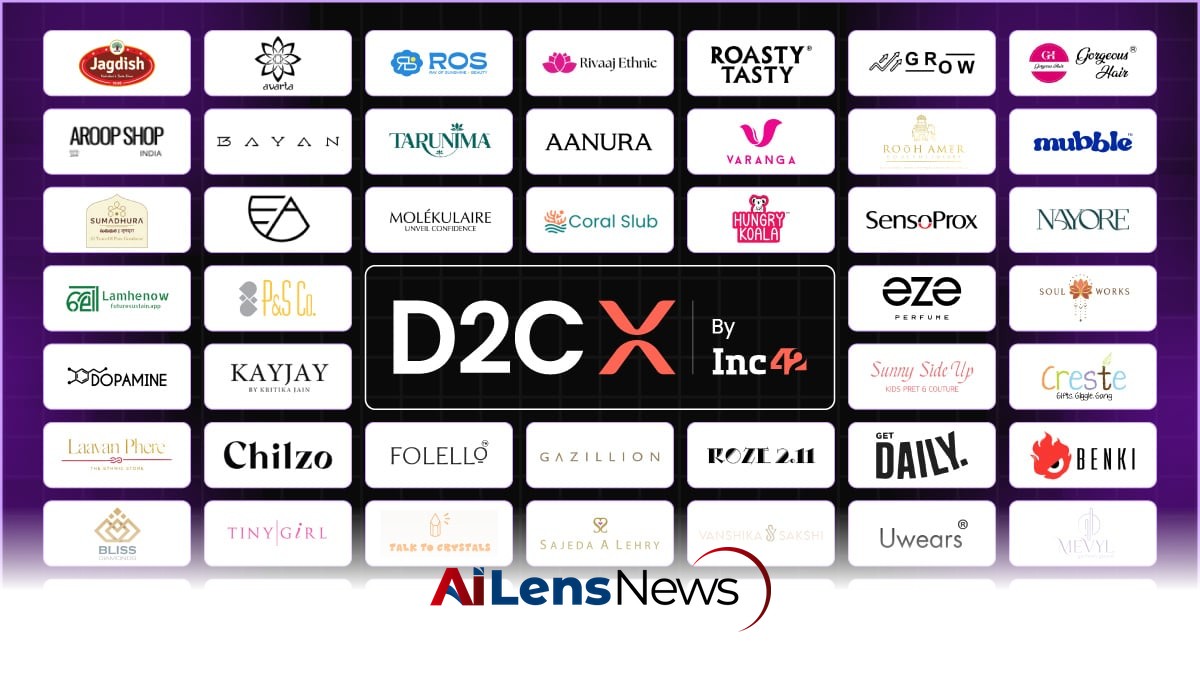


D2CX's eighth cohort features 50 innovative D2C brands across various sectors, showcasing India's booming direct-to-consumer market.
New Delhi, India Jul 18, 2026 ALN: Saturation doesn’t seem to be a concern that plagues India’s D2C boom. What began as a handful of digital-first brands challenging legacy incumbents has evolved into a $65 billion market spanning everything from beauty and fashion to food and home essentials. This transformation highlights a significant shift in consumer behavior, where the rise of the internet, mobile technology, and social media has empowered consumers to seek out brands that resonate with their personal values and lifestyle choices.
And the next phase of growth could be even bigger. While India’s ecommerce market is projected to expand from $165 billion in 2026 to $450 billion by 2031, the D2C segment is expected to surge from $65 billion to $310 billion over the same period, growing at a blistering 37% CAGR. This impressive growth rate indicates not only the increasing acceptance of online shopping among Indian consumers but also the potential for D2C brands to capture significant market share in various sectors.
India’s next wave of ecommerce growth will likely be driven by D2C brands. Of the $285 billion in additional ecommerce GMV expected by 2031, nearly $245 billion, or 86%, is forecast to come from the D2C ecosystem. This projection underscores the critical role that D2C brands will play in shaping the future of retail in India, as they leverage their unique positioning to connect directly with consumers, bypassing traditional retail channels.
Investors have recognized this shift and are doubling down on Indian D2C too. Since 2015, Indian D2C startups have raised more than $10 billion across 1,400 funding deals. Sub-segments such as food & beverage and beauty & personal care have attracted the most interest from both founders and investors. This influx of capital is not only fueling the growth of existing brands but also encouraging new entrepreneurs to enter the market, further diversifying the D2C landscape.
While the numbers paint a fairly rosy picture, building a D2C brand today has evolved significantly from what it was a few years ago. The old playbook of launching a Shopify store, running Instagram ads, and relying on word of mouth is no longer enough. In what is called the “D2C 3.0” era, consumers expect fast deliveries through quick commerce. This shift in consumer expectations necessitates a more sophisticated approach to logistics and fulfillment, with brands needing to invest in their supply chains to ensure timely delivery of products.
Thus, brands need to be present across multiple channels simultaneously. The importance of omnichannel strategies has become paramount, as consumers now engage with brands through various touchpoints, including social media, online marketplaces, and physical retail spaces. Meanwhile, rising customer acquisition costs, shrinking margins, and operational challenges continue to hamper the profitability of such businesses. These factors create a complex environment for D2C brands, requiring them to innovate constantly to maintain their competitive edge.
This is the gap D2CX aims to bridge. The 12-week accelerator brings together early-stage D2C founders with experienced operators, offering practical mentorship, peer learning, and execution-focused playbooks built from real scaling journeys. D2CX recognizes that the challenges faced by D2C brands are multifaceted and that access to expert guidance and a supportive community can significantly enhance their chances of success. Since launching, D2CX has supported more than 400 founders across eight cohorts, helping them improve everything from unit economics to go-to-market strategy.
As the eighth cohort settles into its 12 weeks of sessions, mentorship, and peer exchange, here are the brands that make up this edition of D2CX. Each of these brands reflects the innovative spirit and entrepreneurial drive that characterize India's D2C landscape.
Note: This is not a ranking. The brands are listed alphabetically.
Meet The D2C Brands From D2CX’s Eighth Cohort
Aruna Yadav had already been an entrepreneur for seven years before she decided to bet on jewellery. In December 2025, the Delhi NCR-based founder launched AANURA, a modern label mixing imitation, demi-fine, and silver jewellery for everyday wear and special occasions. The demi-fine jewelry market in India is expected to reach a projected revenue of $523 million by 2033, indicating a growing consumer preference for affordable yet stylish jewellery options.
A PR and luxury brand strategist by profession, Anckita Bhageria turned a personal passion for sustainable fashion into a full-fledged label, launching Aroop India in Jaipur in October 2019. The brand makes sustainable womenswear, spanning western and fusion silhouettes, designed to fit all body types. Aroop India's commitment to sustainability resonates with a growing segment of environmentally conscious consumers who prioritize ethical fashion choices.
Launched in December 2019, Jaipur-based Avarta was born out of founder Aakash Vijay’s desire to build an independently scalable venture outside of his family’s real estate business. The brand targets working women and sets itself apart with a service-first approach, focusing on providing an exceptional customer experience that meets the needs of busy professionals.
After spending over a decade in the jewellery trade, Ankur Shah decided to build a venture of his own by leveraging the experience he had gained. Launched in December 2024, Bayan Jewelry is built around classic, minimalist pieces inspired by nature’s shapes. The brand's emphasis on timeless design and quality craftsmanship appeals to consumers looking for elegant yet understated accessories.
Kaani Studio cofounder Renuka Sharma’s bid to build a lifestyle brand rooted in regional pride led her to set up Benki Store in 2018. The brand sells locally flavored infused clothing items and fashion accessories, celebrating India's rich cultural heritage while appealing to modern consumers who value authenticity and uniqueness in their fashion choices.
Richa Sheth left a software analyst role at Capgemini to chase a different passion: diamonds. She founded Bliss Diamonds in Rajkot in 2017, building the brand’s core proposition around customization. By offering personalized jewelry options, Bliss Diamonds caters to consumers seeking meaningful and unique gifts that reflect their individual style.
A mechanical engineer from Manipal, Ojasvi Sharma cofounded Chilzo in January 2022, building it into a clean-label condiment brand that makes globally inspired sauces. The rise of health-conscious eating has created a demand for clean-label products, and Chilzo aims to meet this need with its focus on quality ingredients and innovative flavors.
Garima Agrawal, a NIFT alumna, founded Coral Slub in Delhi NCR in March 2024, making cushion covers, bed sheets, and totes rooted in Indian craft. The brand's dedication to traditional craftsmanship and sustainable materials resonates with consumers looking for home decor that reflects their values and aesthetic preferences.
What began as Nidhi Sethia’s personal search for screen-free, hands-on play for her own children during the 2020 lockdown has grown into Creste, a Lucknow-based DIY brand. The increasing awareness of the importance of creative play for child development has positioned Creste as a valuable resource for parents seeking engaging and educational activities for their children.
Nineteen years into a corporate banking career, Kaushal Patel decided fragrance was a better bet than finance. He founded Dopamine Perfumes & Fragrances in Mumbai in October 2022. The brand aims to create unique scents that evoke emotions and memories, tapping into the growing consumer interest in personalized fragrance experiences.
Esha Amin Pradhan spent years dressing other people as a celebrity stylist before turning that eye on her own label, Eshaa Amin Label, founded in April 2024. By leveraging her industry experience, Eshaa aims to offer fashion that empowers individuals to express their unique identities through style.
Kanishka Jain’s family has been in the perfume manufacturing business for 75 years. Jain channeled that legacy into building Eze Perfumes in Mumbai in March 2023. Eze Perfumes combines traditional craftsmanship with modern sensibilities, catering to a discerning clientele seeking high-quality fragrances.
As the D2C landscape continues to evolve, these brands represent the innovative spirit driving India's direct-to-consumer market forward. Each brand not only reflects the changing preferences of Indian consumers but also highlights the entrepreneurial spirit that is vital for navigating the challenges of the modern retail environment. The success of these D2C brands will likely serve as a bellwether for the overall health of the Indian ecommerce ecosystem as it continues to grow and adapt in the coming years.
To learn more about the latest developments in Startup Ecosystem Trends, stay updated with our exclusive reports and analyses on AiLensNews.

