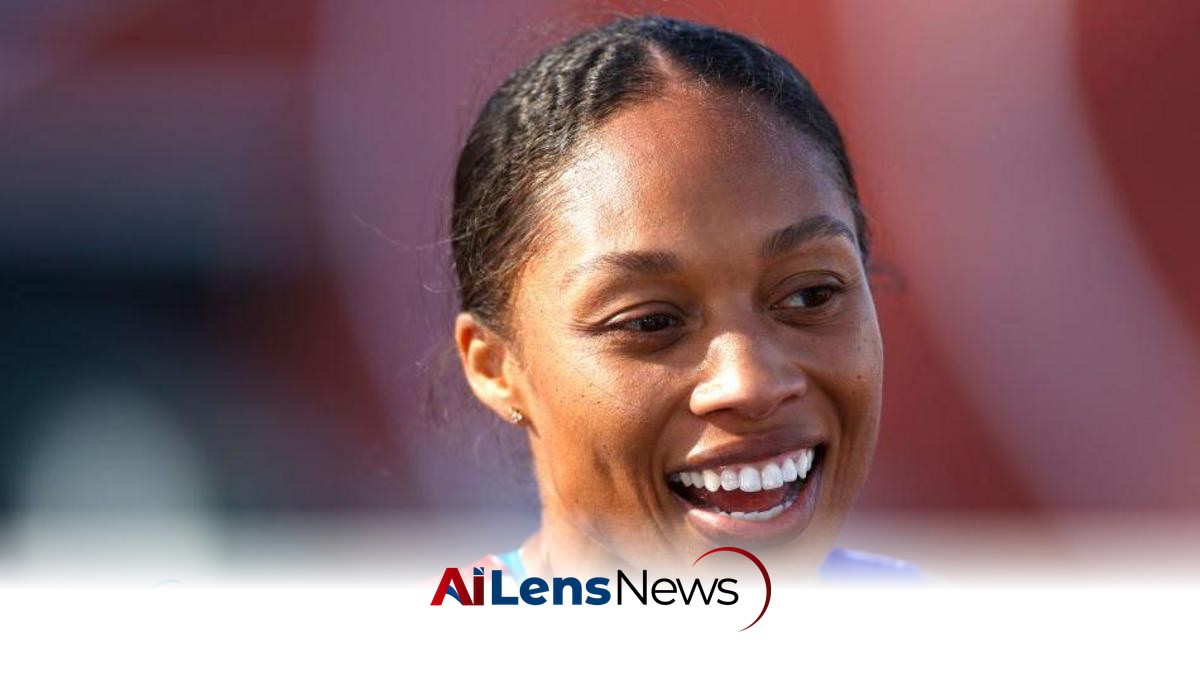


World launches a new project to inform and improve its policies around pregnancy and childbirth for female athletes.
New Delhi, India Jul 2, 2026 ALN: World Seeks to Improve Pregnancy Support for Female Athletes
The global s community is increasingly recognizing the need to address the unique challenges faced by female athletes during pregnancy, childbirth, and their subsequent return to competitive s. In a groundbreaking initiative, a governing body has launched a comprehensive study aimed at gathering insights from elite female athletes to help shape policies that support them during these critical life events. This initiative is not merely a response to individual stories; it represents a broader movement within s to acknowledge and adapt to the realities of female athletes' lives.
The initiative invites both current and former female athletes to participate in surveys that delve into their experiences with pregnancy and the challenges they faced when returning to competition. This outreach also extends to athletes who have chosen not to have children, ensuring a broad range of perspectives that can inform future policies. By doing so, the governing body aims to create a more inclusive environment that acknowledges the realities of motherhood while maintaining the integrity of competitive s.
The motivation behind this initiative stems from a desire to "protect female athletes and reduce inequities within elite s." The governing body is particularly focused on how to maintain fairness in world rankings during maternity leave, a significant concern for many athletes who fear that taking time off for pregnancy could jeopardize their standings and future opportunities. This issue is compounded by the competitive nature of elite s, where every ranking point can have substantial implications for sponsorships, funding, and career longevity.
Lord Coe, the president of the governing body, emphasized the importance of this initiative, stating, "This is the next step in ensuring athletes who experience pregnancy are protected, receive support, and do not face barriers when it comes to being able to make a return to elite competition." His comments highlight a growing awareness within the s community about the need to adapt policies that have historically overlooked the needs of female athletes. This shift reflects a broader societal recognition of the importance of supporting women in all aspects of their lives, including their roles as mothers and athletes.
The project, dubbed the Childbirth And Return in Elite s (Cares) initiative, aims to identify and dismantle barriers that female athletes face. This includes examining professional and organizational support structures, as well as contractual and financial considerations that can impact an athlete's career during and after pregnancy. The implications of such support are profound, as they can influence not only individual athletes but also the overall culture of s regarding motherhood.
One of the most notable examples of the challenges faced by female athletes in this context is the case of sprinter Allyson Felix, who has won 11 Olympic medals. In 2019, Felix publicly confronted her then-sponsor, Nike, regarding maternity pay. She revealed that Nike threatened to reduce her pay by 70% if her performance was affected by motherhood. This revelation sparked widespread discussion about the treatment of pregnant athletes and the need for better protections and policies. Felix's advocacy not only brought attention to the issue but also inspired other athletes to share their own experiences, creating a ripple effect throughout the s community.
In response to the public outcry and Felix's advocacy, Nike revised its contracts to guarantee pay and bonuses for athletes for 18 months during and after pregnancy. This shift marked a significant step forward in recognizing the rights of female athletes and ensuring that they are not penalized for choosing to become mothers. Such changes in corporate policy reflect a growing recognition of the need for the s industry to adapt to the realities faced by female athletes, as well as the potential for positive change when athletes advocate for their rights.
Another inspiring story is that of British runner Calli Hauger-Thackery, who completed the Boston Marathon in an impressive time of two hours and 43 minutes while 22 weeks pregnant. Hauger-Thackery's achievement not only showcases the capabilities of pregnant athletes but also reflects a changing attitude within the s community. She believes that her experience can serve as a powerful example that women can be both mothers and high-achieving athletes. Hauger-Thackery's performance challenges the stereotype that pregnancy is a limitation, instead highlighting the strength and resilience of female athletes.
"It means so much to me. We can be a mother and also shoot for these crazy big goals, more than ever. It's definitely not going to scare me away from any goals," Hauger-Thackery stated. Her determination to balance motherhood with her athletic ambitions exemplifies a growing movement among female athletes to challenge traditional norms and redefine what is possible in both motherhood and s. This evolving narrative encourages other women to pursue their dreams, regardless of societal expectations.
Hauger-Thackery further expressed her hopes for the future, saying, "I think, if anything, it's going to push me to show my son what is possible. I just think that makes it even more meaningful for me and I'm just honored and excited to be a part of that space." Her sentiments resonate with many athletes who are navigating the complexities of balancing family life with professional aspirations. This personal motivation not only drives individual athletes but also contributes to a cultural shift within s that celebrates the multifaceted lives of women.
The ongoing discussion surrounding pregnancy and s is not just about individual stories; it also touches on broader implications for the s industry as a whole. As more female athletes come forward with their experiences, there is a growing recognition that the policies governing elite s must evolve to reflect the realities of women's lives. This includes not only maternity leave and pay but also considerations for coaching, training, and support systems that accommodate the unique needs of pregnant athletes. The s industry must adapt to ensure that female athletes are not only able to compete but also thrive in their roles as mothers.
As the s community continues to address these issues, it is essential to foster an environment where female athletes feel supported and valued, regardless of their life choices. The upcoming 2027 World Championships, set to take place in Beijing in September, will likely serve as a platform for further discussions about the role of motherhood in elite s and the necessary changes that need to be implemented to support female athletes effectively. This event could catalyze further advancements in policy and awareness, potentially influencing how s organizations approach the topic of motherhood in the future.
In conclusion, the initiative to improve pregnancy support for female athletes marks a significant step toward creating a more equitable and inclusive environment in elite s. By actively seeking the input of female athletes and addressing their unique challenges, the governing body demonstrates a commitment to fostering a culture that values both athletic excellence and the realities of motherhood. As these discussions continue to evolve, it is hoped that more comprehensive policies will emerge, ultimately benefiting not just individual athletes but the entire s community. The push for change reflects a broader societal shift toward recognizing the importance of supporting women in all aspects of their lives, paving the way for a future where motherhood and athleticism can coexist harmoniously.
To learn more about the latest developments in Basketball, stay updated with our exclusive reports and analyses on AiLensNews.

