

The 2026 F1 season will see significant changes in tyre specifications, including new sizes and compounds from Pirelli.
New Delhi, India Feb 28, 2026 ALN: 1 utilizes a range of tyres for each race weekend, provided by the Italian manufacturer Pirelli. The upcoming 2026 season is set to introduce the most substantial rule changes in years, with cars continuing to feature 18-inch wheels. This decision to maintain the larger wheel size aligns with the ongoing trend in motor racing towards improving performance and handling characteristics, as larger wheels can accommodate wider tyres that enhance grip and stability. The transition to 18-inch wheels was first implemented in the 2022 season, and it has been widely accepted by teams and drivers due to the performance benefits it offers.
The front tyre width will decrease by 25mm, while the rear tyres will see a reduction of 30mm. This adjustment follows a recent rules refresh aimed at making cars smaller, more agile, and environmentally friendly. The decision to reduce tyre widths is part of a broader effort within 1 to enhance the racing spectacle by promoting closer competition and improving overtaking opportunities. By making the cars lighter and more nimble, the hope is to create more dynamic races that engage fans and attract new audiences. The reduction in tyre width is expected to lead to a different balance in car handling, which teams will need to adapt to in their setups.
Pirelli, which has been the sole tyre supplier since 2011, will continue to provide tyres until at least the end of the 2028 season. Their long-term partnership with 1 has allowed them to develop tyres that not only meet the demands of the but also reflect the evolving technology and performance expectations of the teams and drivers. Pirelli's experience in the motor industry has been crucial in ensuring that their tyres can withstand the extreme conditions of 1 racing, from high-speed circuits to street tracks. The relationship between Pirelli and the teams has been characterized by continuous feedback and development, ensuring that the tyres evolve alongside the cars and their performance capabilities.
During a standard race weekend, drivers are allocated 13 sets of slick tyres, alongside four sets of intermediates and three sets of full wet tyres. This allocation is designed to provide teams with the flexibility to adapt their strategies based on weather conditions, track surface, and individual driver preferences. If a driver reaches the third round of qualifying, they receive an additional set of soft tyres, which can be crucial for achieving the best possible starting position on the grid. The allocation of tyres is a critical aspect of race strategy, as teams must carefully plan their usage throughout the weekend.
All drivers must use at least two different slick compounds during a dry race, which adds an additional layer of strategy to the race. Teams must carefully consider when to switch between compounds, balancing the need for speed with the durability of the tyres. In the event of a sprint race, which is a shorter, high-intensity race held on select Grand Prix weekends, the allocation changes to 12 sets of slick tyres, along with five sets of intermediates and two sets of full wets. This adjustment reflects the different racing dynamics of a sprint race, where the emphasis is on quick performance over the course of a shorter distance. The strategy in sprint races can differ significantly from that of traditional races, with teams often opting for more aggressive tyre strategies to maximize their chances of finishing in a strong position.
Slick tyres are the most commonly used in 1, characterized by their smooth, rounded appearance. There are five slick compounds available, ranging from the hardest to the softest: C1, C2, C3, C4, and C5. Pirelli selects three compounds from this range for each race weekend, depending on track characteristics and potential strategies. This selection process is critical, as the choice of compound can significantly influence race outcomes. The compounds are designed to offer varying levels of grip and durability, allowing teams to tailor their strategies to the specific conditions of each race.
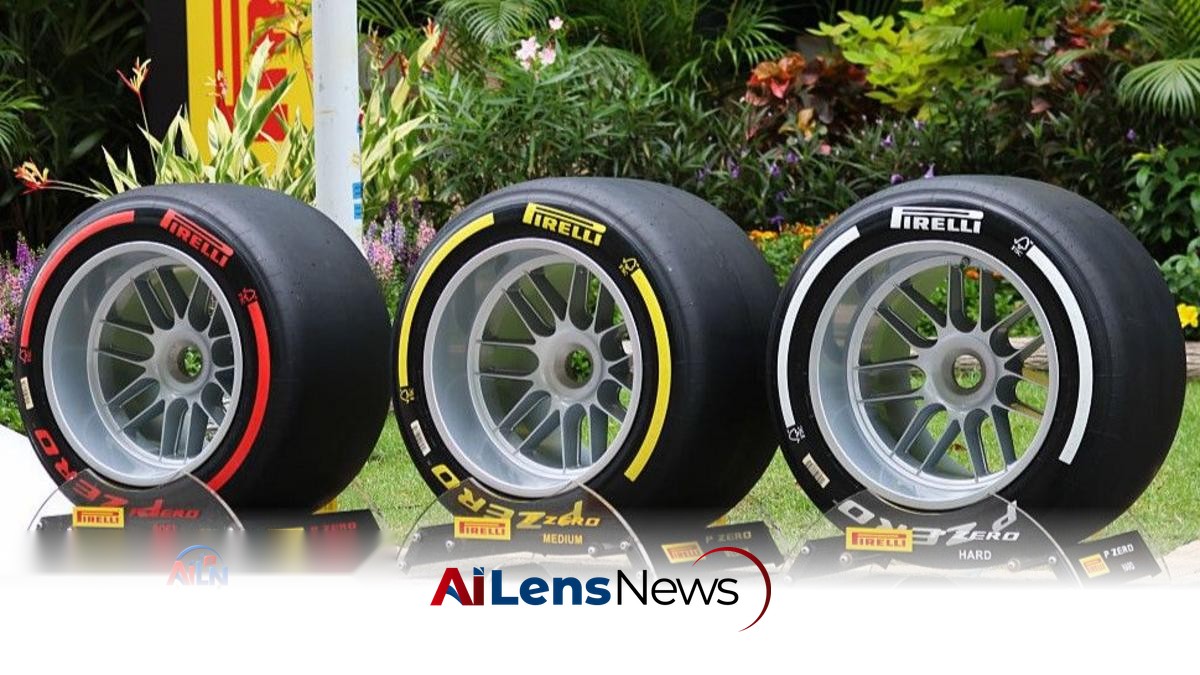
For instance, the C3 compound could be the softest tyre for one race, while it might be classified as medium or hard for another. Each compound is color-coded: the softest is marked red, the medium yellow, and the hardest white. The red softs offer the most grip but degrade quickly, while the white hard tyres last longer but provide less grip and speed. Soft tyres are typically preferred for qualifying or short stints, whereas medium and hard tyres are better suited for longer race runs. This strategic use of different compounds allows teams to optimize their performance based on the specific conditions of each race. Understanding the characteristics of each compound is essential for teams as they develop their race strategies, and it plays a significant role in the overall outcome of the race.
In wet conditions, drivers have two types of wet-weather tyres at their disposal: intermediates and full wets. Intermediates are used for damp conditions and are color-coded green, while full wet tyres, which are utilized during heavy rain, are coded blue and feature grooves to maintain traction. The choice between these two types of tyres is crucial, as using the wrong type can lead to loss of grip and control, potentially resulting in accidents or poor performance. The decision to switch to wet-weather tyres is often a critical moment in a race, as it can significantly affect lap times and overall race strategy.
The C6 was a new 'ultra-soft' tyre compound introduced in the 2025 season, specifically designed for street track racing. It was used in races held in Imola, Monaco, Canada, and Azerbaijan. However, this tyre will not be available for the 2026 season, as Pirelli determined that the performance gap between the C6 and the C5 was too small to justify its inclusion. The decision to withdraw the C6 reflects Pirelli's commitment to ensuring that the tyre compounds used in 1 provide a clear performance differentiation, which is essential for maintaining competitive racing. The absence of the C6 will likely impact teams' strategies, as they will need to rely more heavily on the existing compounds to achieve the desired performance levels.
This article is part of the Ask Me Anything series, addressing common questions regarding 1 tyres and regulations. The complexities of tyre strategy in 1 are a significant aspect of the , influencing everything from race strategy to driver performance. Understanding the nuances of tyre selection and usage can provide fans with a deeper appreciation of the tactical elements that play out during a race. As the 2026 season approaches, teams will be closely analyzing the new regulations and preparing to adapt their strategies to maximize their performance with the revised tyre allocations.
To learn more about the latest developments in Formula 1 & Motorsports, stay updated with our exclusive reports and analyses on AiLensNews.

