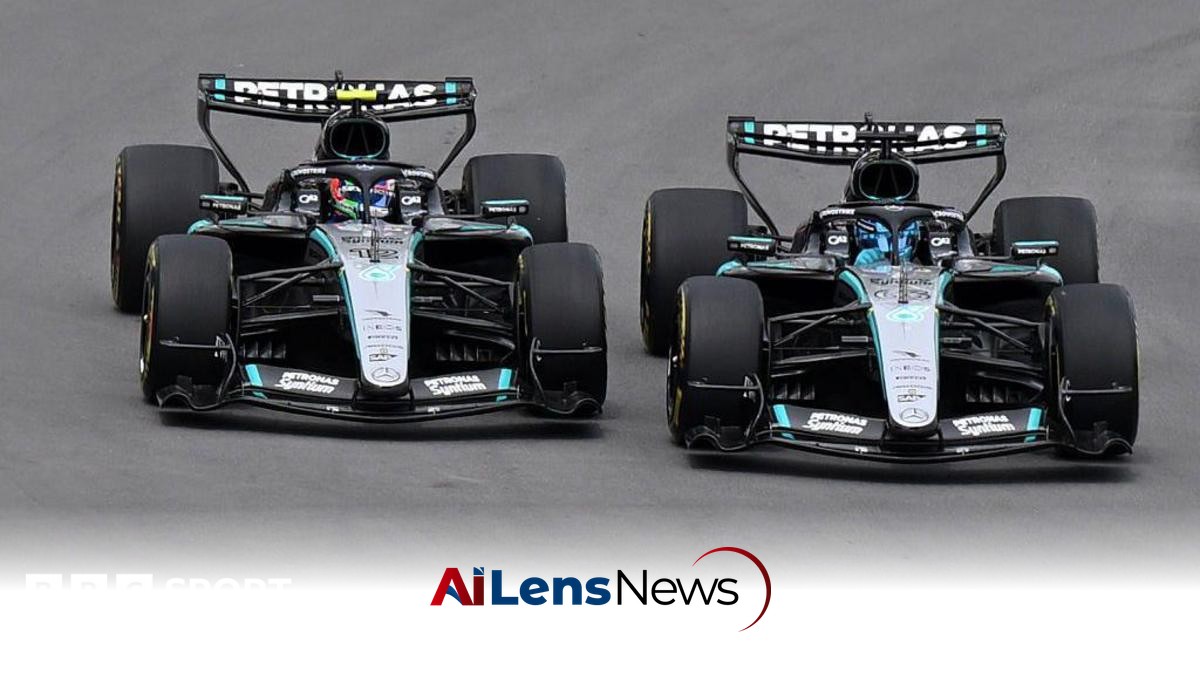


There are six sprint races in the 2026 season and here is all you need to know about how the format works.
New Delhi, India Jul 2, 2026 ALN: The fourth of six sprint races in 2026 takes place at the British Grand Prix, from 3-5 July.
The format for sprint races in 2026 has undergone some adjustments compared to previous seasons, primarily due to the entry of new teams like Cadillac into the 1 landscape. This inclusion has resulted in an increase in the number of cars eliminated during the first two qualifying sessions, moving from five to six. This change not only reflects the growing competitiveness of the grid but also highlights the ongoing evolution of 1 as it adapts to the influx of new talent and teams, generating significant interest among fans and stakeholders alike.
Sprint qualifying is scheduled to take place on Friday, following the only practice session of the weekend. This particular timing is crucial, as it allows teams to gather valuable data during practice, which can then be utilized to fine-tune their setups and strategies for the qualifying rounds. The sprint weekend format is specifically designed to maximize excitement and engagement for both teams and fans, creating a vibrant atmosphere that is characteristic of 1 events.
The 100km sprint race, which lasts approximately 30 minutes, serves as the first track action on Saturday. This sprint race is crafted to be a shorter, more intense version of traditional races, offering a unique spectacle that can lead to unpredictable outcomes and thrilling wheel-to-wheel racing. At Silverstone, the sprint is structured to be 17 laps long and is set to start at 12:00 BST, ensuring that fans are treated to an engaging and action-packed experience right from the outset of the race weekend.
Qualifying for the main race retains its usual position as the second session on Saturday. This structure allows for a distinct separation between the sprint race and the main grand prix, while still fostering a competitive atmosphere throughout the weekend. The grand prix itself is scheduled to take place on Sunday, commencing at 15:00, thereby concluding the weekend's events with the traditional race format that fans have come to expect.
The sprint qualifying format consists of three sessions, where the six slowest cars are eliminated from the first two sessions, mirroring the traditional qualifying format. This adjustment not only raises the stakes for teams but also adds a layer of strategy as they must carefully balance performance with risk to secure a favorable position for the sprint race. The sessions, known as SQ1, SQ2, and SQ3, last 12, 10, and 8 minutes respectively, providing a condensed yet exhilarating environment for teams to display their speed and skill.
The results of the sprint qualifying determine the grid for the sprint race itself. Notably, only the top eight finishers score points, with a distribution of eight points awarded for first place down to one point for eighth. This points system incentivizes drivers to not only compete fiercely for the win but also to aim for a top-eight finish, as every point can be pivotal in the context of the overall drivers' championship standings. The introduction of a points system for sprint races has been a significant factor in elevating their importance within the overall championship framework.
In a recent example, during the third sprint at the Canadian Grand Prix, polesitter George Russell secured victory against reigning world champion Lando Norris and his Mercedes teammate Kimi Antonelli. This result underscores the competitive nature of the current grid, where established stars and emerging talents are all vying for supremacy. Additionally, British rookie Arvid Lindblad managed to secure the final point in eighth place for Racing Bulls, highlighting the potential for newcomers to make impactful contributions in the highly competitive environment of 1.
The British Grand Prix marks a return to the sprint format for the first time since it hosted the inaugural event in 2021. This comeback is significant as it reflects the ongoing evolution of 1's race formats, which are aimed at enhancing entertainment value for fans and presenting teams with diverse challenges. Following the Silverstone event, the final two sprint races of the season are set to take place at the Dutch Grand Prix in Zandvoort and the Singapore Grand Prix at Marina Bay. Both venues are renowned for their unique characteristics and challenges that can greatly influence race dynamics.
The inclusion of sprint races in the calendar is part of a broader strategic initiative by 1 to engage new audiences and create more dynamic racing experiences. By experimenting with different formats, F1 aims to maintain its status as a premier motor series while also adapting to the evolving preferences of fans around the globe. The sprint race format, characterized by its shorter distance and heightened stakes, has been particularly well-received, prompting discussions about its potential expansion in future seasons.
Beyond the excitement generated by the sprint races themselves, the implications for championship standings are profound. Each point gained during a sprint race can prove crucial in the context of the overall championship, potentially influencing team strategies and driver performances throughout the season. As teams adapt to the new format, the dynamics of competition may shift, leading to new rivalries and narratives that captivate fans and contribute to the rich history of 1.
Overall, the 2026 sprint races represent a significant evolution in 1's approach to race weekends, emphasizing the organization's commitment to innovation and fan engagement. As the season progresses, it will be intriguing to observe how teams adjust to the format and how it impacts the championship race, particularly with the introduction of new competitors and the ongoing development of existing teams. The excitement surrounding these events underscores the ever-changing landscape of motor and the continuous efforts to enhance the viewer experience in 1.
To learn more about the latest developments in Formula 1 & Motorsports, stay updated with our exclusive reports and analyses on AiLensNews.

