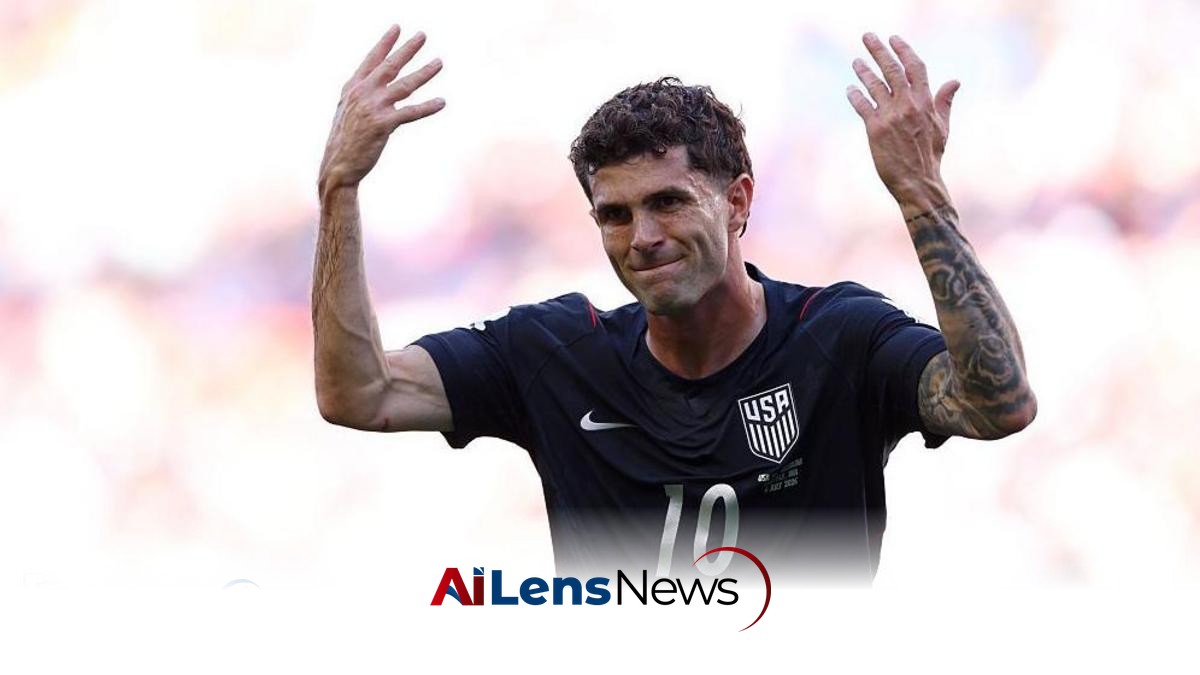


The United States confirm that forward Christian Pulisic fractured his leg during his side's 4-1 defeat by Belgium in the World Cup last 16.
New Delhi, India Jul 10, 2026 ALN: The United States have confirmed that forward Christian Pulisic fractured his leg during his side's 4-1 defeat by Belgium in the World Cup last 16.
Pulisic was substituted in the 59th minute just moments after Belgium scored their third goal in Seattle. His injury came at a critical moment in the match, as the U.S. team was struggling to regain control after Belgium's offensive surge. The loss marked a disappointing exit for the U.S. team, and the implications of Pulisic's injury extend beyond just this match.
The 27-year-old appeared to suffer the injury early in the second half as he attempted a shot but instead kicked the back of Belgium midfielder Youri Tielemans' leg. This incident was pivotal, as it not only affected Pulisic's participation in the game but also impacted the overall morale and strategy of the U.S. team, which was already facing an uphill battle against a skilled Belgian side.
"Christian Pulisic has been diagnosed with a microfracture and bone bruise of the tibia/fibula in his right leg suffered during the match against Belgium," said a US Soccer federation statement on social media. The diagnosis of a microfracture indicates a serious injury that can lead to prolonged recovery times, and it raises concerns about Pulisic's fitness for future competitions, particularly with the upcoming club season and international fixtures on the horizon.
US Soccer and Pulisic's club team, AC Milan, will collaborate on his recovery plan. This partnership is crucial as it ensures that Pulisic receives the best medical care and rehabilitation possible. AC Milan, a club with a rich history in Serie A and European competitions, will be keenly interested in Pulisic's recovery timeline, especially considering the investment they made in acquiring him.
The U.S. players were widely criticized in the U.S. media after suffering elimination with their heaviest World Cup defeat in 36 years. The defeat not only highlights the challenges faced by the national team but also raises questions about the team's preparation and performance on the world stage. Pulisic's early withdrawal was particularly scrutinized, with commentators and former players weighing in on the implications of his absence during such a crucial match.
"I was a bit disappointed in Christian Pulisic. Whether he wants to be the star of this team or not, we didn't see enough from him in this particular game - and, really, the whole World Cup. Little glimpses here and there," said the U.S.' all-time leading goal scorer Carli Lloyd. Her comments reflect a broader sentiment among fans and analysts who expected more from Pulisic, especially given his status as a key player for the U.S. team.
Recalling Pulisic's decision to sit out the Gold Cup in 2025 in order to rest and recover before a World Cup year, she posted on X: "You rest when your playing career is over. Period." This statement underscores the intense pressure and expectations placed on elite athletes, particularly in high-stakes tournaments like the World Cup. The decision to prioritize recovery over participation in other tournaments can be a double-edged sword, as it may lead to criticism if the player does not perform up to expectations when it matters most.
Landon Donovan, the all-time U.S. top scorer at men's World Cups, expressed a more visceral reaction to Pulisic's injury. He said: "I would have punched the doctor in the face and said, 'You're not taking me off the field.'" This comment illustrates the fierce competitiveness that defines elite athletes, particularly in the context of international competitions. The desire to contribute to one’s team, even at the risk of further injury, is a common sentiment among professional players.
While US Soccer did not give a timeframe for Pulisic's recovery, he would not have been able to play had his side progressed to the quarter-finals. This fact adds another layer of disappointment for both Pulisic and the U.S. team, as they now must navigate the aftermath of their World Cup exit without one of their star players. The absence of Pulisic in future matches will be felt not only in terms of his skill on the field but also his leadership and experience.
The Athletic reported that Pulisic "will be sidelined for several weeks but not months," citing multiple people briefed on the diagnosis. This prognosis is somewhat reassuring for both Pulisic and AC Milan, as it suggests that he may be able to return to action relatively quickly. However, the timeline for recovery can vary significantly based on the individual’s healing process and the effectiveness of the rehabilitation program.
AC Milan begins their Serie A campaign on 23 August against Torino. The timing of Pulisic's injury is particularly unfortunate as it coincides with the start of the club season, where he was expected to play a significant role in helping Milan compete for domestic and European honors. His absence in the early stages of the season could affect the team's dynamics and their ability to secure crucial points in the league.
As Pulisic embarks on his recovery journey, the focus will be on ensuring that he returns to full fitness without rushing the process. The implications of his injury extend beyond the immediate future, potentially affecting his long-term career trajectory and the U.S. national team's prospects in upcoming international competitions. The combination of individual player health, team performance, and the overarching narrative of U.S. soccer continues to evolve, and Pulisic's situation will be closely monitored by fans, analysts, and teammates alike.
In the broader context of U.S. soccer, Pulisic's injury highlights the increasing physical demands placed on players at the highest level. The intensity of international tournaments, combined with the rigorous schedules of club competitions, can lead to a higher risk of injuries. As teams strive for success on multiple fronts, the well-being of players must be balanced with competitive aspirations.
Moreover, Pulisic's situation raises questions about the depth of the U.S. national team. With his absence, other players will need to step up and fill the void left by one of the team's most talented individuals. This situation presents an opportunity for emerging players to showcase their skills and potentially secure a more permanent spot in the national squad. The ability of the U.S. team to adapt and respond to such challenges will be crucial in shaping their future performances.
Furthermore, Pulisic's injury serves as a reminder of the unpredictability of s. Athletes often face setbacks that can alter their careers and impact their teams significantly. The mental fortitude required to overcome injuries and return to peak performance is a testament to the resilience of professional athletes. As Pulisic navigates this challenging period, his determination and work ethic will be vital in ensuring a successful return to the field.
In conclusion, Christian Pulisic's leg fracture during the World Cup match against Belgium not only marks a significant moment in his career but also poses substantial implications for the U.S. national team and AC Milan. The intersection of individual health, team dynamics, and the broader landscape of soccer will continue to unfold as fans and analysts watch closely for updates on Pulisic's recovery and the U.S. team's performance in his absence. The journey ahead will be one of resilience, adaptation, and hope for both Pulisic and U.S. soccer as they look to navigate the challenges that lie ahead.
To learn more about the latest developments in Football (Soccer), stay updated with our exclusive reports and analyses on AiLensNews.

