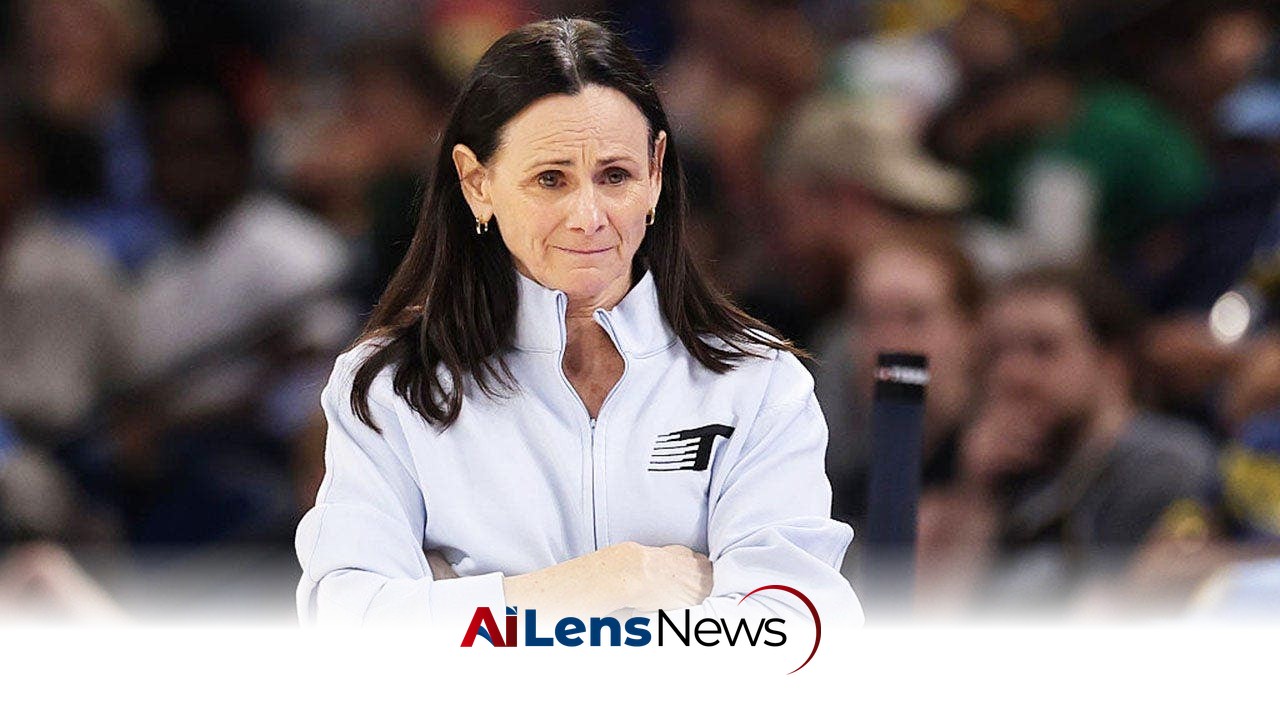


Sandy Brondello, head coach of the Toronto Tempo, issued an apology to Angel Reese after accusations of racism arose from a game incident. The situation has sparked widespread debate about accountability and language in sports.
Washington DC, United States Jul 18, 2026 ALN: In a surprising turn of events, Sandy Brondello, the head coach of the Toronto Tempo, has publicly apologized to Angel Reese following accusations of racism during a recent game. The incident has ignited a heated discussion about language and accountability in sports, particularly in the context of the ongoing conversations surrounding race and discrimination.
During the fourth quarter of a match where the Atlanta Dream triumphed over the Tempo with a score of 111-92, a collision occurred between Reese and Tempo forward Nyara Sabally, resulting in Sabally suffering a rib injury. The situation escalated when Brondello approached the officials to express her frustration over the call. A hot mic captured her saying that Reese was a "protected species." This comment quickly drew criticism and was interpreted by many as racially charged, igniting a firestorm of reactions from players, fans, and commentators alike.
Reese responded to the incident on social media, expressing her disbelief at Brondello's comment. She tagged Brondello in a post that questioned the appropriateness of calling a Black woman a "species," further fueling the outrage. Reese's reaction reflects a broader sentiment among athletes and advocates who are increasingly vocal about issues of race and discrimination in sports. Her response not only highlights her personal feelings but also resonates with many who feel that language used in sports should be scrutinized for its potential implications.
In a lengthy social media post, Brondello took full responsibility for her words, stating, "Angel, I'm sorry. Last night, in the emotion of the moment after Nyara's injury, I used a phrase that I shouldn't have used, and I take full responsibility for that." She acknowledged that her comments had unintended consequences, particularly for Black women in the league, and expressed her respect for Reese as both a player and a person. This apology was significant as it came in the context of heightened awareness around racial issues in sports, especially in leagues like the WNBA, where the majority of players are women of color. Brondello's acknowledgment of the impact of her words is a crucial step in addressing the broader issues of race and language in sports.
The incident has sparked a broader conversation about the language used in sports and the implications of certain phrases. Critics argue that Brondello's apology was unnecessary and that the term "protected species" is commonly used in sports to describe players who receive preferential treatment from officials. They contend that the term has been misinterpreted in this context. This perspective highlights a divide in how language is understood and the cultural nuances that can lead to miscommunication. Supporters of Reese, however, maintain that the comment was inappropriate and indicative of a larger issue regarding race and language in sports.
This incident has highlighted the sensitivity surrounding discussions of race and the potential for misunderstanding in high-pressure environments like professional sports. The term "protected species" has been criticized for reducing individuals to categories that may not accurately reflect their humanity or individuality, particularly in a sport where racial dynamics are complex and often fraught with tension. The backlash against Brondello’s comment underscores the necessity for individuals in positions of power to be mindful of the language they use and the implications it carries.
The incident comes at a time when sports are increasingly seen as a platform for social change. Over the past few years, athletes across various leagues have used their visibility to address issues of racial inequality, police violence, and systemic oppression. The WNBA, in particular, has been at the forefront of these discussions, with players advocating for social justice and equality. Angel Reese, as a prominent figure in this movement, represents a new generation of athletes who are unafraid to speak out against perceived injustices. The historical context of the WNBA’s commitment to social issues makes this incident particularly poignant, as players strive to create a league that is inclusive and representative of the diverse backgrounds within it.
Moreover, the WNBA has a history of addressing issues related to race and gender. The league has been praised for its commitment to social justice initiatives, and many players have taken a stand on issues that affect their communities. This context makes Brondello's comments particularly sensitive, as they come at a time when players are striving to create an inclusive environment free from discrimination. The WNBA has been recognized for its activism, and this incident serves as a reminder that even within a league that champions diversity, challenges remain.
This incident also raises questions about the responsibilities of coaches and leaders in sports. Coaches are often seen as role models and are expected to foster an environment of respect and inclusivity. Brondello's comments have prompted discussions about the need for coaches to be more aware of the language they use and the impact it can have on their players. This is especially pertinent in a league that champions diversity and inclusion. The expectation for coaches to lead by example is crucial; their words can shape the culture of the team and influence the players' experiences.
Furthermore, the fallout from this incident may lead to increased training and education around cultural sensitivity and communication for coaches and staff within the league. As the WNBA continues to evolve, the need for leaders who understand the complexities of race and language in sports will be paramount. Organizations may look to implement workshops or training sessions that focus on these issues, ensuring that all members of the team are equipped to handle sensitive topics with care and understanding. Such initiatives could help prevent similar incidents in the future and promote a culture of respect and awareness within the league.
As the WNBA continues to navigate complex social issues, this incident serves as a reminder of the importance of language and the impact it can have on individuals and communities. The ongoing dialogue surrounding race, accountability, and the culture of sports is likely to persist as players and coaches alike grapple with these challenging topics. The situation with Sandy Brondello and Angel Reese illustrates the delicate balance that exists in sports, where emotions run high, but the need for respect and understanding remains paramount.
In a world where sports often reflect societal issues, the actions and words of those involved can have far-reaching consequences. As athletes continue to advocate for change, it is crucial that all stakeholders in the sports community engage in thoughtful discussions about race, language, and accountability, fostering a culture that promotes understanding and respect for all individuals, regardless of their background. The implications of this incident extend beyond the court, highlighting the need for ongoing conversations about race and language in sports and the importance of accountability in leadership roles.
To learn more about the latest developments in Basketball, stay updated with our exclusive reports and analyses on AiLensNews.

