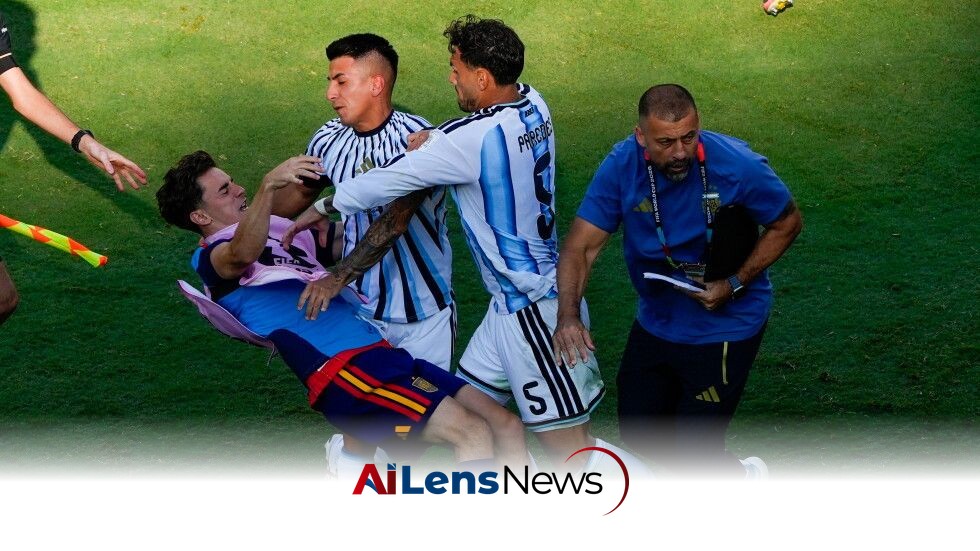


Spain's coach Luis de la Fuente has condemned Argentina's behavior following the World Cup final, calling it 'unacceptable' as FIFA investigates the incidents.
Washington DC, United States Jul 25, 2026 ALN: In a recent statement, Spain's head coach, Luis de la Fuente, expressed his disapproval of Argentina's conduct after the World Cup final, labeling it as 'unacceptable'. This criticism comes amid an ongoing investigation by FIFA into the events that transpired following the match, which has sparked a heated debate about sportsmanship and player behavior in high-stakes football.
The World Cup final, which took place on July 19, 2026, in East Rutherford, New Jersey, was a culmination of intense competition between two of the world's most storied football nations. Spain and Argentina both entered the match with high expectations and a legacy of football excellence. The match itself was a tightly contested affair, showcasing the skills and tactics of both teams, but it was the events that unfolded after the final whistle that have garnered significant attention.
During the final, tensions escalated between players from both teams, particularly highlighted by an incident involving Spain's Gavi, who was seen in a scuffle with Argentina's Leandro Paredes and Thiago Almada. This altercation, captured by various media outlets, has raised questions about the conduct of players in such high-pressure situations. The aftermath of the match saw players and officials from both sides engaged in confrontational behavior, which FIFA is now investigating.
FIFA has taken the matter seriously and initiated an investigation into the incidents that occurred post-match. The governing body is examining the behavior of players and officials from both teams, aiming to ensure that such conduct does not tarnish the spirit of the game. This inquiry is part of FIFA's broader commitment to uphold the integrity of football and to maintain a respectful environment both on and off the pitch.
The investigation will likely involve reviewing video footage, gathering testimonies from players and officials, and analyzing the circumstances that led to the altercations. FIFA's disciplinary committee may impose sanctions depending on the findings, which could range from fines to suspensions for those deemed responsible for inciting violence or unsportsmanlike behavior.
De la Fuente's comments reflect a growing concern within the football community regarding sportsmanship and the conduct of players during high-stakes matches. He stated,
“The incidents that occurred after the final whistle were intolerable and unacceptable. We must uphold the integrity of football.”
His remarks resonate with a larger dialogue about the expectations of professional athletes to conduct themselves with dignity and respect, especially in moments of high tension.
Coaches, players, and sports analysts alike have emphasized the importance of maintaining composure and respect for opponents, regardless of the outcome of the match. The World Cup, being the pinnacle of international football, serves as a platform where the values of sportsmanship should be exemplified, and De la Fuente's criticism highlights the need for accountability among players.
Spain emerged victorious in the World Cup final, lifting the trophy after a hard-fought match against Argentina. The victory was a significant achievement for the Spanish national team, which has a rich history in international football, including a previous World Cup win in 2010. However, the celebrations following their triumph were overshadowed by the post-match altercations, which have since drawn significant media attention.
The contrast between the joy of victory and the subsequent chaos has sparked discussions about the pressures faced by players at the highest level of competition. As athletes strive for excellence and glory, the emotional stakes can lead to reactions that may not align with the values of fair play and respect. This incident serves as a reminder of the challenges inherent in competitive sports, where the line between passion and aggression can sometimes blur.
As the investigation unfolds, both teams are expected to cooperate fully with FIFA. The outcome may lead to disciplinary actions against individuals involved in the incidents, reinforcing the importance of maintaining respect and decorum in sports. The implications of this investigation extend beyond just the players directly involved; they serve as a cautionary tale for future tournaments and competitions.
FIFA's approach to handling this situation will be closely monitored by fans, players, and officials alike. The governing body has the opportunity to set a precedent for how similar incidents will be addressed in the future, potentially leading to stricter regulations and guidelines regarding player conduct. This could involve implementing educational programs focused on sportsmanship, conflict resolution, and the responsibilities of athletes as role models.
In conclusion, the World Cup final not only showcased the talent of both teams but also highlighted the need for sportsmanship and respect in the world of football. The actions taken by FIFA in response to the post-match incidents will be pivotal in shaping the future of the sport, as they aim to preserve the integrity of the game and foster an environment where respect prevails over rivalry. The football community eagerly awaits the findings of the investigation, hopeful that it will lead to constructive outcomes that benefit the sport as a whole.
The discussion surrounding sportsmanship in football is not new, but it has gained renewed urgency in light of recent events. The nature of competitive sports often leads to heightened emotions, and while passion is a vital aspect of the game, it should not come at the expense of respect for opponents and officials. The incidents following the World Cup final serve as a reminder that all players, regardless of their stature or experience, are expected to uphold certain standards of behavior.
Historically, football has faced challenges related to player conduct, with various incidents leading to fines, suspensions, and public outcry. The FIFA investigation into the post-match events is part of a larger effort to address these issues and to promote a culture of respect and integrity within the sport. In recent years, FIFA has implemented initiatives aimed at encouraging fair play, such as the Respect campaign, which seeks to foster a positive environment both on and off the pitch.
The outcome of FIFA's investigation may have far-reaching implications for future tournaments, including the upcoming European Championships and other international competitions. If FIFA decides to impose strict penalties or implement new regulations regarding player conduct, teams and players will need to adapt to these changes. This could lead to a more disciplined approach to how players interact with one another and with officials during matches.
Moreover, the football community will be watching closely to see how FIFA handles this situation. A strong response may deter similar incidents in the future, while a lenient approach could send the message that unsportsmanlike behavior is tolerated. The stakes are high, not just for the players involved but for the integrity of the sport as a whole.
As the football world reflects on the events surrounding the World Cup final, the focus on sportsmanship and respect will likely continue to grow. Coaches like De la Fuente are vocal advocates for maintaining high standards of conduct, and their voices are crucial in shaping the future of the game. The investigation by FIFA will not only address the immediate concerns but may also pave the way for a broader cultural shift within football, emphasizing the importance of respect and integrity as foundational values of the sport.
To learn more about the latest developments in Golf, stay updated with our exclusive reports and analyses on AiLensNews.

