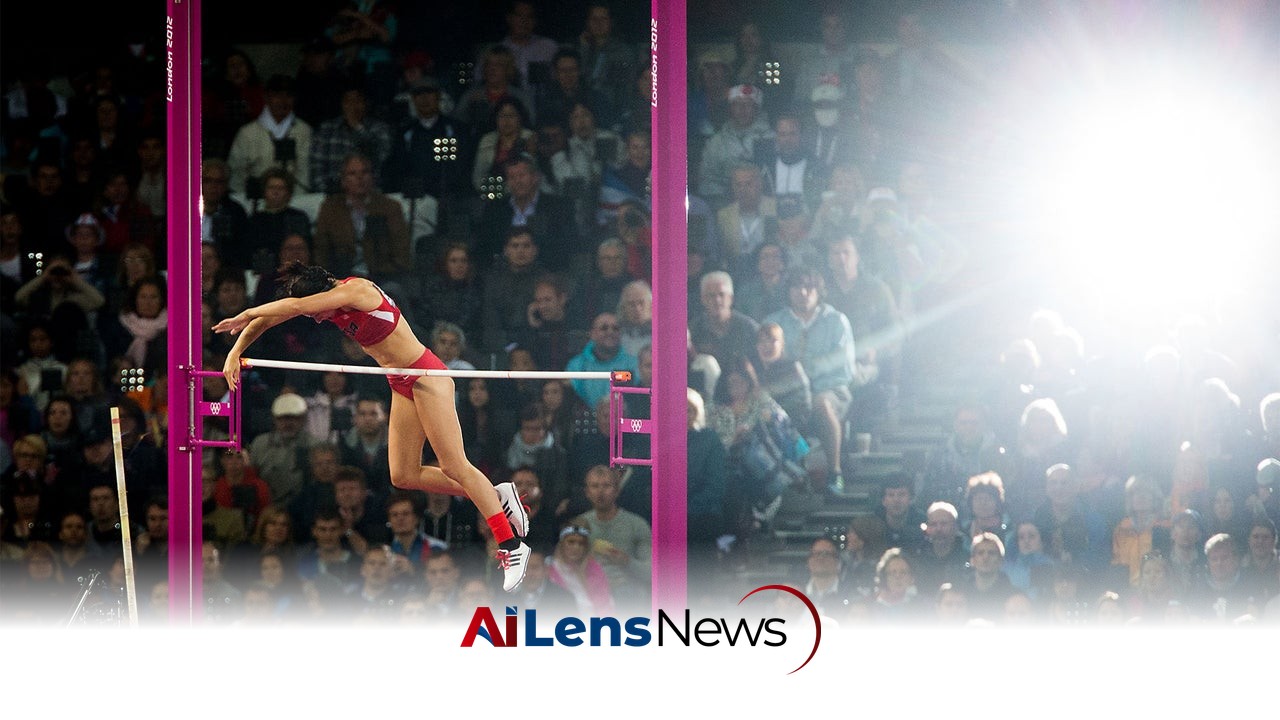


The European Broadcasting Union has released guidelines to combat the sexualization of female athletes during broadcasts, emphasizing respectful media coverage.
Washington DC, United States Jul 15, 2026 ALN: The landscape of sports broadcasting has undergone significant changes over the years, particularly with the advent of digital media and the increasing visibility of women athletes. Historically, the portrayal of female athletes has often been marred by a focus on their appearance rather than their athletic prowess. This trend has been particularly evident in the way camera angles are utilized during broadcasts. The recent release of the European Broadcasting Union's (EBU) new guidelines, titled "Raising the Bar: Guidelines for Respectful Media Coverage in Women’s Athletics," seeks to address these longstanding issues by promoting a more respectful and equitable representation of women in sports.
The EBU's guidelines come at a time when the conversation around the portrayal of women athletes is more critical than ever. Despite the progress made in women's sports, female athletes continue to face challenges that their male counterparts do not. The sexualization of women athletes has been a topic of concern, with many calling for changes in how they are presented on screen. The guidelines were developed in collaboration with prominent track-and-field athletes, including Holly Bradshaw, Ivana Španović, and Blanka Vlašić, who have firsthand experience with the implications of how women athletes are portrayed.
In recent years, there have been numerous instances highlighting the negative impact of inappropriate camera angles and editing. These practices not only detract from the athletic achievements of women but also contribute to a culture that objectifies female athletes. Bradshaw’s comments in the guideline report underscore the emotional toll this can take, as she recounted her experiences with online abuse and the inappropriate use of footage of her performances. Such experiences are not isolated; many female athletes have shared similar stories, indicating a pervasive issue within the sports media landscape.
The guidelines provide a comprehensive framework for broadcasters, aiming to reshape the narrative surrounding women in sports. By offering specific recommendations on camera angles, the EBU encourages broadcasters to focus on the athletes' skills and achievements rather than their physical appearance. For example, the guidelines suggest using wide angles that capture the full scope of an athlete’s performance, particularly in events like the high jump, while discouraging low angles that can be seen as voyeuristic or objectifying. This shift in focus is intended to elevate the conversation around women’s sports, directing attention to their athleticism, dedication, and hard work.
Glen Killane, executive director of EBU Sports, emphasized the importance of these choices, noting that they can significantly influence audience perception. By diverting attention from the skills and achievements of female athletes, broadcasters risk perpetuating harmful stereotypes that have long plagued women's sports. The implications of these guidelines extend beyond just broadcasting practices; they reflect a broader societal shift towards recognizing the value and contributions of women in all areas, including sports.
The timing of the guidelines' release is particularly noteworthy. Although they were published on June 8, they gained renewed attention on social media, where discussions about women’s sports often reveal deep-seated biases. Some users expressed concerns that viewership might decline due to the regulations, echoing a sentiment that suggests a reluctance to change the status quo. Others, however, recognized that such reactions underscore the necessity of the guidelines. The backlash serves as a reminder that the fight for equitable representation in sports is ongoing and that many still view women athletes through a lens of objectification rather than respect.
Critics of the guidelines have pointed to the uniforms worn by female athletes as another area needing reform. There have been calls for changes to the often revealing attire required in certain sports, which can further contribute to the sexualization of women athletes. The guidelines suggest that the way athletes are presented should align with their athletic achievements rather than their appearances. This principle is vital in ensuring that female athletes are celebrated for their skills and not reduced to mere visual spectacles.
The conversation surrounding the portrayal of women athletes is reflective of larger societal issues related to gender equity and representation. As sports continue to evolve, the media's role in shaping perceptions of female athletes becomes increasingly crucial. The EBU's guidelines represent a significant step toward fostering a more respectful and equitable environment for women in sports. By advocating for changes in how female athletes are covered, the EBU is not only addressing immediate concerns but also contributing to a cultural shift that values women’s sports on their own terms.
As the guidelines are implemented, it will be essential to monitor their impact on broadcasts and audience reception. Will broadcasters embrace these recommendations, or will there be pushback against the suggested changes? The response from the sports community, including athletes, broadcasters, and fans, will be telling. The EBU's initiative could serve as a model for other broadcasting organizations worldwide, encouraging a unified approach to promoting gender equity in sports media.
Ultimately, the new guidelines from the EBU aim to transform not only how women athletes are covered but also how they are perceived by audiences. By prioritizing respectful and equitable coverage, the EBU hopes to inspire a new generation of female athletes who can compete without the burden of objectification. The success of this initiative will depend on the collective effort of all stakeholders in the sports media landscape to prioritize the athletic achievements of women over outdated stereotypes and objectifying portrayals.
The implications of these guidelines extend beyond the realm of sports broadcasting. They touch on broader societal themes of gender equality, respect, and the need for a cultural shift in how women are viewed in public life. The way female athletes are represented can influence young girls' aspirations, shaping their perceptions of what is possible for them in sports and beyond. By creating a media environment that celebrates athleticism and skill, the EBU's guidelines could help foster a generation of female athletes who are recognized for their talents rather than their appearances.
Moreover, the guidelines could have a ripple effect across various sports and media platforms. As more organizations adopt similar principles, the standard for how women athletes are covered could improve significantly, leading to a more equitable sports media landscape. This could also encourage sponsors and advertisers to shift their focus from sexualized portrayals to promoting women's sports based on the merits of the athletes and the excitement of the competitions themselves.
In conclusion, the EBU's new guidelines signify a pivotal moment in the ongoing struggle for gender equity in sports. By challenging the status quo and advocating for a more respectful portrayal of women athletes, these guidelines have the potential to reshape the sports media landscape for the better. As the implementation of these guidelines unfolds, the sports community will be watching closely to see how they are received and whether they lead to meaningful change. The hope is that, through these efforts, the narrative surrounding women in sports will evolve, allowing female athletes to shine for their achievements and contributions to the sporting world, free from the constraints of objectification and outdated stereotypes.
To learn more about the latest developments in Basketball, stay updated with our exclusive reports and analyses on AiLensNews.

