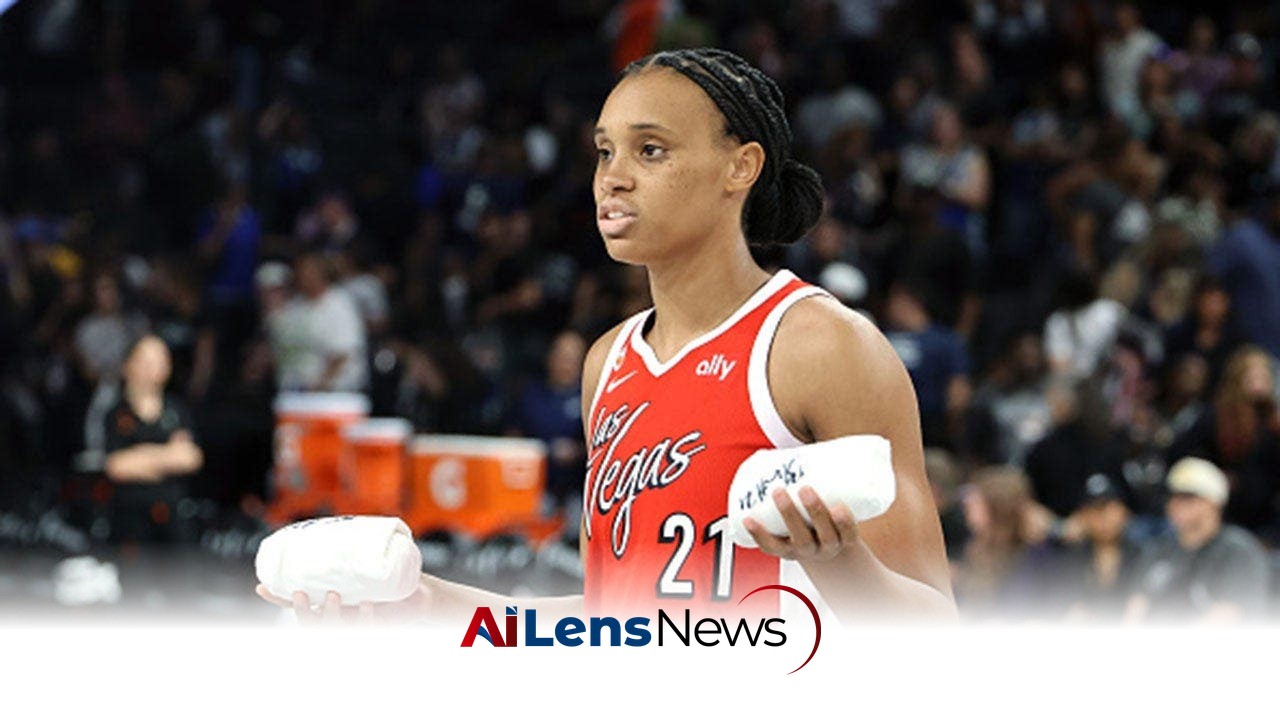


Former Indiana Fever player Brianna Turner accuses the organization of mishandling sexual harassment allegations, responding to Sophie Cunningham's comments on trans athletes.
Washington DC, United States Jul 24, 2026 ALN: The Indiana Fever, a professional basketball team in the Women’s National Basketball Association (WNBA), is currently facing serious allegations from former player Brianna Turner. Turner has accused the organization of covering up sexual harassment claims that led to the firing of a male staff member during her tenure with the team. These allegations have emerged in a particularly charged environment, following comments made by current Fever player Sophie Cunningham during an ESPN interview regarding the participation of transgender athletes in women’s sports.
Turner, who played for the Fever in 2025 and is now a member of the Las Vegas Aces, took to social media to voice her concerns. Her comments were sparked by Cunningham’s defense of women’s sports, in which Cunningham expressed her belief that biological females should compete against one another and not against transgender women. This perspective has been a contentious issue in sports, igniting debates about fairness, inclusion, and the rights of transgender athletes.
In her social media post, Turner criticized Cunningham’s stance, suggesting that the real threats to the integrity of women’s sports come from organizations like the Fever rather than from transgender athletes. She claimed that the Fever had taken action against a male staff member due to allegations of sexual harassment but had instructed players to remain silent about the incident. This allegation raises significant concerns about the culture within the organization and its handling of serious issues such as sexual harassment.
Turner’s defense of transgender inclusion in sports is further underscored by her reference to Layshia Clarendon, a former WNBA player who was born female and later identified as transgender. Turner highlighted that, to date, there has only been one out transgender player in the league, and that player did not cause any issues. This observation is intended to counter the narrative that transgender athletes pose a threat to women’s sports, suggesting instead that the focus should be on addressing systemic issues such as sexism, misogyny, homophobia, and racism, which she believes are more pressing concerns.
In the wake of Turner’s allegations, the Indiana Fever issued a statement affirming their commitment to creating a safe and respectful environment for players. The organization emphasized its policy of taking concerns seriously, conducting thorough investigations, and acting promptly when necessary to protect individuals within the organization. They also noted that fostering trust and safety within their processes is paramount, which is why they do not comment on personnel matters involving former employees.
This situation highlights the broader challenges that sports organizations face in balancing issues of inclusion with the need for a safe and respectful workplace. The WNBA, which has been a leader in advocating for social justice and equality, now finds itself at a crossroads as it navigates these allegations and the implications they hold for its reputation and the well-being of its players.
The timing of these allegations is particularly significant, as the conversation around transgender athletes in sports has gained momentum in recent years. Various sports organizations, including the NCAA and the International Olympic Committee, have implemented policies regarding the participation of transgender athletes, often sparking heated debates among athletes, fans, and policymakers alike. The WNBA, known for its progressive stance on social issues, is now faced with the challenge of addressing Turner’s claims while also considering the implications for its policies on inclusion and diversity.
As of now, it remains uncertain whether the WNBA will initiate a review of Turner’s allegations. The league has not announced any investigation or provided a public comment on the matter, leaving many questions unanswered. The outcome of this situation could have far-reaching implications for the Fever, the WNBA, and the broader conversation about women’s sports and inclusion.
Moreover, Turner’s allegations may prompt other players within the league to come forward with their own experiences, potentially leading to a larger reckoning within the WNBA regarding workplace culture and the treatment of players. If the league decides to take action, it could set a precedent for how similar cases are handled in the future, influencing not only the WNBA but also other professional sports leagues.
In conclusion, the allegations made by Brianna Turner against the Indiana Fever raise critical questions about the organization’s commitment to player safety and the handling of sexual harassment claims. As the WNBA navigates this complex situation, the league’s response will be closely watched by players, fans, and advocates for both women’s rights and transgender inclusion in sports. The outcome of this controversy will likely have lasting effects on the culture within the WNBA and the broader landscape of women’s sports.
To better understand the implications of these allegations, it is essential to consider the historical context of sexual harassment in sports. The sports industry has long been criticized for its handling of sexual misconduct cases, with numerous high-profile incidents revealing a culture that often prioritizes the reputation of organizations over the safety and well-being of individuals. This has led to calls for more stringent policies and accountability measures across various leagues.
The WNBA has prided itself on being at the forefront of social justice issues, advocating for gender equality and inclusion. However, the current situation with the Indiana Fever poses a significant challenge to that reputation. If the allegations are substantiated, it could lead to increased scrutiny of the league’s practices and policies regarding sexual harassment and the treatment of players, especially women of color and LGBTQ+ individuals who may face additional challenges within the sports environment.
Furthermore, the intersection of these allegations with the ongoing discourse surrounding transgender athletes adds another layer of complexity. The debate over transgender participation in sports is not merely a matter of policy; it touches upon deeply held beliefs about gender identity, fairness, and the future of women’s sports. The WNBA’s response to Turner’s claims could influence how these discussions unfold in the future, particularly as more athletes and advocates push for inclusive policies that recognize the rights of all individuals to compete.
In light of this controversy, it is also worth noting the potential impact on the Fever’s fanbase and sponsorships. Fans are increasingly demanding accountability from organizations regarding social issues, and failure to adequately address these allegations could lead to a loss of support from fans who prioritize ethical conduct and player safety. Additionally, sponsors may reevaluate their partnerships with the Fever and the WNBA as a whole, depending on how the league handles the situation.
The implications of Turner’s allegations extend beyond the immediate fallout; they may catalyze broader discussions about workplace culture in sports. As more athletes speak out about their experiences, there may be a shift toward creating safer and more equitable environments. This could lead to significant changes in how organizations address complaints of harassment and discrimination, potentially fostering a culture of transparency and accountability.
Ultimately, the WNBA and the Indiana Fever are at a critical juncture. How they respond to these allegations will not only affect their internal culture but also shape the narrative surrounding women’s sports and inclusion for years to come. As the situation develops, stakeholders across the sports industry will be watching closely, as the outcomes could set important precedents for how similar issues are addressed across all levels of athletic competition.
To learn more about the latest developments in Basketball, stay updated with our exclusive reports and analyses on AiLensNews.

