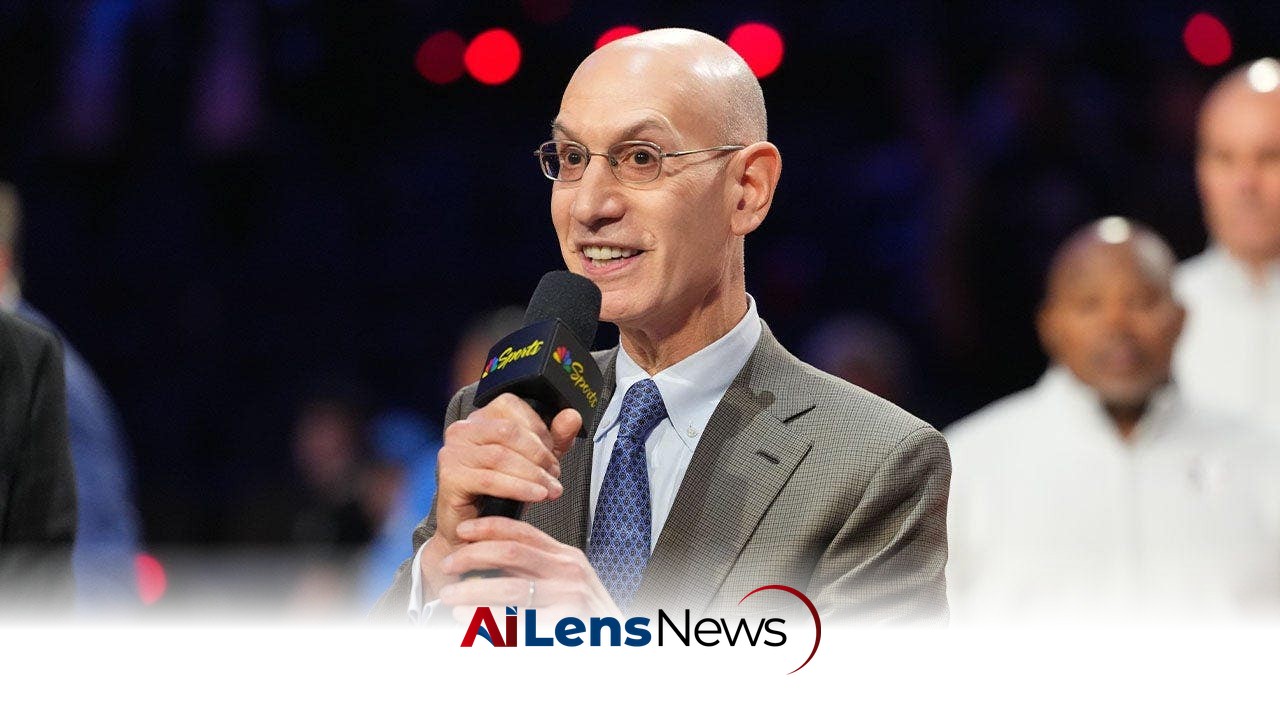


NBA Commissioner Adam Silver addresses the ongoing controversy surrounding Caitlin Clark's treatment in the WNBA, emphasizing political overtones rather than officiating issues.
Washington DC, United States Jul 17, 2026 ALN: NBA Commissioner Adam Silver's recent comments regarding the safety of WNBA star Caitlin Clark have sparked significant debate within the sports community. While Silver is known for his progressive approach to the NBA, his handling of the WNBA's treatment of Clark has raised eyebrows, especially given the heightened scrutiny surrounding player safety in professional sports.
Caitlin Clark, a standout player for the Indiana Fever, has garnered attention not only for her exceptional skills on the court but also for the physical treatment she has received from opponents. As one of the league's most prominent figures, her experience raises important questions about how the WNBA addresses player safety and officiating standards. The incidents involving Clark have drawn criticism from fans and analysts alike, who argue that the league must do more to protect its players from excessive physicality.
Caitlin Clark, a former collegiate star, has quickly established herself as a leading figure in the WNBA. Known for her scoring ability and playmaking skills, she has become a role model for aspiring athletes, particularly young women. Clark's rise to stardom has coincided with a growing interest in women's sports, and her performances have attracted significant media attention and a dedicated fanbase. However, her success has also made her a target for aggressive play from opponents, leading to a series of hard fouls that have raised concerns about her safety.
Clark's journey to the WNBA began at the University of Iowa, where she became a household name, breaking records and earning numerous accolades for her performances. Her style of play, characterized by deep three-point shooting and exceptional court vision, has captivated audiences and redefined expectations for women's basketball. As she transitioned to the professional level, the expectations placed on her only intensified, with many viewing her as a potential face of the league. However, with the spotlight comes increased scrutiny, and Clark has faced a level of physicality that has led to calls for better protection from officials.
The WNBA has historically faced challenges regarding player safety and officiating standards. As the league continues to grow, these issues have become increasingly prominent. The physicality of the game has been a topic of discussion among players, coaches, and fans, with many advocating for stricter enforcement of rules to protect players from injury. Clark's situation has brought these concerns to the forefront, prompting calls for a reassessment of how the league handles player safety. The historical context of the WNBA, which has often been overshadowed by its male counterpart, adds another layer to the discussion. As women's sports gain more visibility, there is a pressing need for the WNBA to ensure that its players are not only celebrated but also protected.
During the CNBC Sports Summit, Silver's remarks about Clark's situation appeared to downplay the significance of the physical treatment she has faced. By framing the controversy as a political issue rather than a matter of player safety, he seemed to deflect attention from the pressing concerns regarding officiating and player protection. This perspective has been met with criticism from Clark's supporters, who argue that the focus should remain on ensuring a safe playing environment for all athletes.
Silver's assertion that Clark has become a "political football" reflects a broader trend in sports where athletes are often caught in the crossfire of societal and political debates. While it is true that discussions around player treatment can intersect with larger societal issues, the immediate concern for many fans is the safety of the players on the court. By prioritizing the political implications of Clark's situation, Silver may have inadvertently shifted the focus away from the need for accountability and reform within the league. This raises questions about the role of leadership in the WNBA and whether the focus on broader narratives detracts from the specific needs of players who require immediate protection and support.
The response from Clark's supporters has been overwhelmingly critical of Silver's approach. Many fans, analysts, and former players have expressed frustration over the lack of direct action taken to protect Clark and other players from hard fouls. The sentiment among supporters is clear: the WNBA must prioritize player safety above all else, and any discussions surrounding officiating and discipline should center on creating a safer environment for athletes.
Furthermore, the fact that Silver reportedly consulted with WNBA Commissioner Cathy Engelbert regarding disciplinary actions raises additional questions about the league's commitment to player safety. The incident involving Phoenix Mercury forward Alyssa Thomas, who was suspended for a throat strike, highlights the complexities of enforcing rules and maintaining player safety. Silver's decision not to comment on this report has left many wondering about the level of transparency and accountability within the WNBA. The ambiguity surrounding disciplinary actions can create a sense of mistrust among players and fans alike, further complicating the league's efforts to present itself as a progressive and player-focused organization.
The overarching theme of the discourse surrounding Clark's treatment is a call for accountability. Fans and players alike are urging the WNBA to take a more proactive stance on player safety. This includes reevaluating officiating standards, implementing stricter penalties for dangerous plays, and ensuring that players feel protected while competing. The league's response to these calls will be crucial in shaping its future and maintaining the trust of its players and fans.
As the WNBA continues to grow in popularity and visibility, the importance of maintaining a safe playing environment cannot be overstated. The league has an opportunity to set a precedent for how women's sports are treated in terms of player safety and officiating standards. By addressing the concerns surrounding Clark and prioritizing the safety of its players, the WNBA can demonstrate its commitment to fostering a positive and secure environment for athletes. This commitment could also serve as a model for other leagues, both in the United States and internationally, as discussions about player welfare become increasingly central to the sports agenda.
In conclusion, Adam Silver's handling of the situation involving Caitlin Clark has raised important questions about the WNBA's commitment to player safety. While his comments may have aimed to downplay the controversy, they have instead highlighted the need for greater accountability and action within the league. As discussions surrounding player treatment and safety continue, it is essential for the WNBA to prioritize the well-being of its athletes and take meaningful steps to protect them on the court. The future of the league may depend on its ability to navigate these challenges and ensure that all players can compete without fear of undue physical harm. The implications of this situation extend beyond Clark herself; they resonate throughout the league and could influence how women's sports are perceived and treated in the broader context of professional athletics.
To learn more about the latest developments in Basketball, stay updated with our exclusive reports and analyses on AiLensNews.

