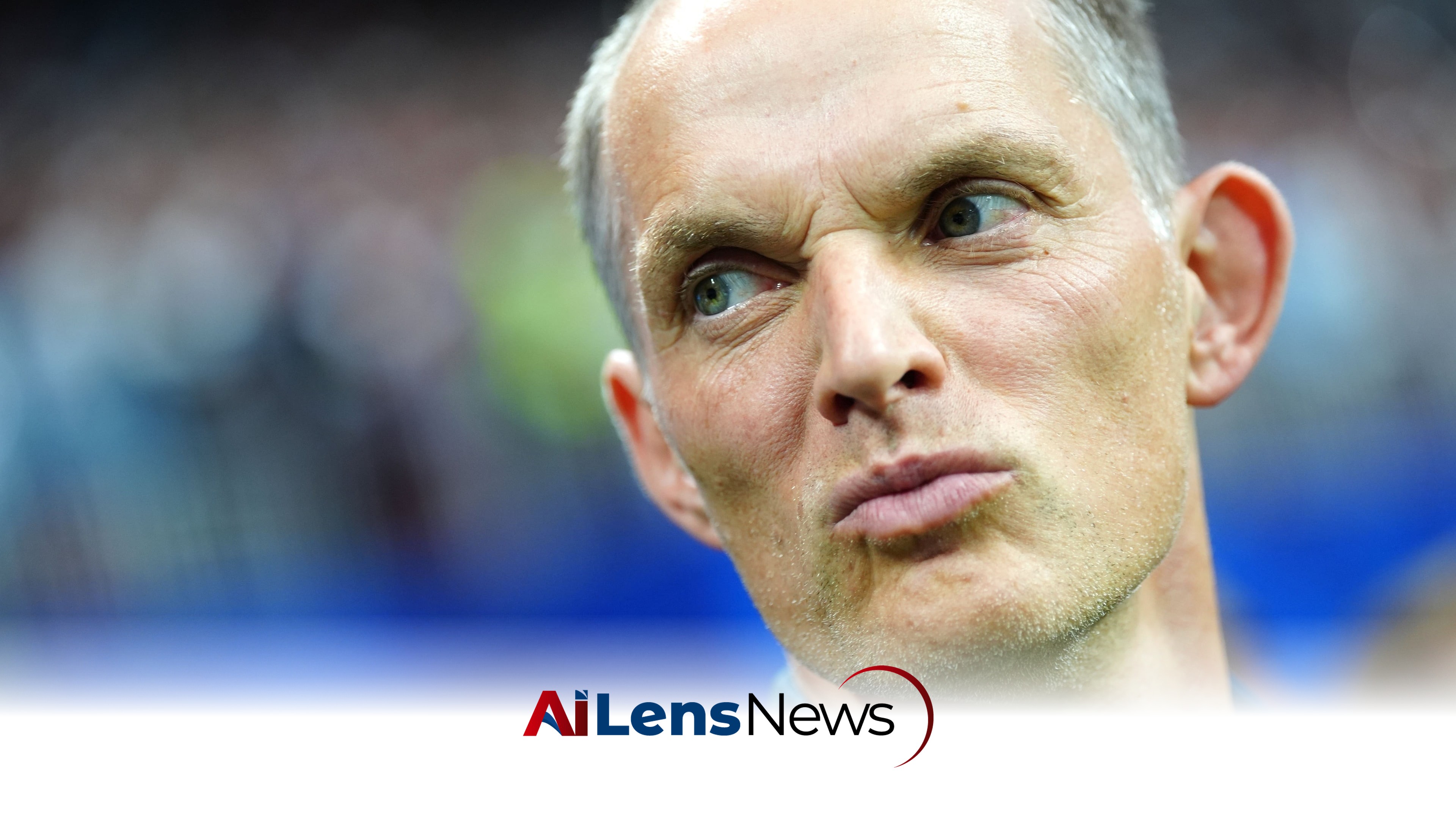


Thomas Tuchel addresses England's World Cup elimination, asserting the team is not cursed and accepting full responsibility for their performance.
London, United Kingdom Jul 16, 2026 ALN: In a recent press conference, Thomas Tuchel, the head coach of the England national football team, addressed the media regarding the team's unexpected exit from the World Cup. The defeat has sparked discussions about the team's potential and future, with many fans expressing disappointment. The World Cup, held every four years, is one of the most prestigious tournaments in international football, and for England, a nation with a rich footballing history, expectations were particularly high.
Tuchel emphasized that the team is not cursed, despite the mounting pressure and expectations surrounding them. He stated,
"I take full responsibility for our performance. It is my job to prepare the team, and we fell short of our goals this time."
His candid acknowledgment of the team's shortcomings resonated with many, as he outlined the need for reflection and improvement. This admission is significant in the context of sports leadership, where accountability can often be lacking. Tuchel's willingness to take the blame may foster a sense of unity among the players and coaching staff as they regroup.
During the tournament, England faced several challenges that ultimately led to their downfall. Tuchel noted that tactical decisions and player performances were critical factors in their exit. Analyzing these elements reveals a multifaceted issue that encompasses strategy, player health, and psychological factors.
Despite the disappointment, Tuchel remains optimistic about the future of the England team. He believes that with the right mindset and preparation, they can bounce back stronger in upcoming competitions. "We have a talented group of players who can achieve great things if we learn from this experience," he asserted. This forward-looking perspective is essential, as it helps to shift the narrative from failure to growth and development.
As the football world reflects on England's World Cup journey, Tuchel's leadership and vision will be crucial in shaping the team's path forward. His experience in managing top-tier clubs in Europe provides him with a unique perspective on how to build a resilient and competitive squad. Fans and analysts alike will be watching closely to see how the team evolves in the wake of this setback.
In the context of international football, England's performance at the World Cup is a reminder of the competitive landscape in which they operate. Teams like France, Brazil, and Germany have consistently performed well in international tournaments, raising the bar for nations like England. The ability to compete at this level requires not only talent but also a robust support system, including coaching, sports science, and mental health resources.
The World Cup's exit also brings to light the strategic planning that goes into preparing for such a high-stakes tournament. For England, the focus will need to be on developing a deeper squad that can withstand the rigors of international competition. This may involve investing in youth development programs and scouting to ensure that the national team has a pipeline of talent ready to step up when needed.
Moreover, the psychological aspect of the game cannot be understated. The pressure of representing a nation with a storied football history can weigh heavily on players. Tuchel's acknowledgment of this factor highlights the importance of mental health resources and support systems for athletes. Ensuring that players are mentally prepared to handle the pressure of international tournaments is as critical as their physical training.
In conclusion, while the exit from the World Cup is a bitter pill to swallow, Tuchel's commitment to accountability and improvement offers a glimmer of hope for England's footballing future. The coming months will be crucial for the team as they prepare for future competitions, including the UEFA European Championship, where they will have another opportunity to showcase their skills on a major stage. The lessons learned from this World Cup experience, combined with Tuchel's leadership, may well define the next chapter in England's footballing journey.
To learn more about the latest developments in Basketball, stay updated with our exclusive reports and analyses on AiLensNews.

