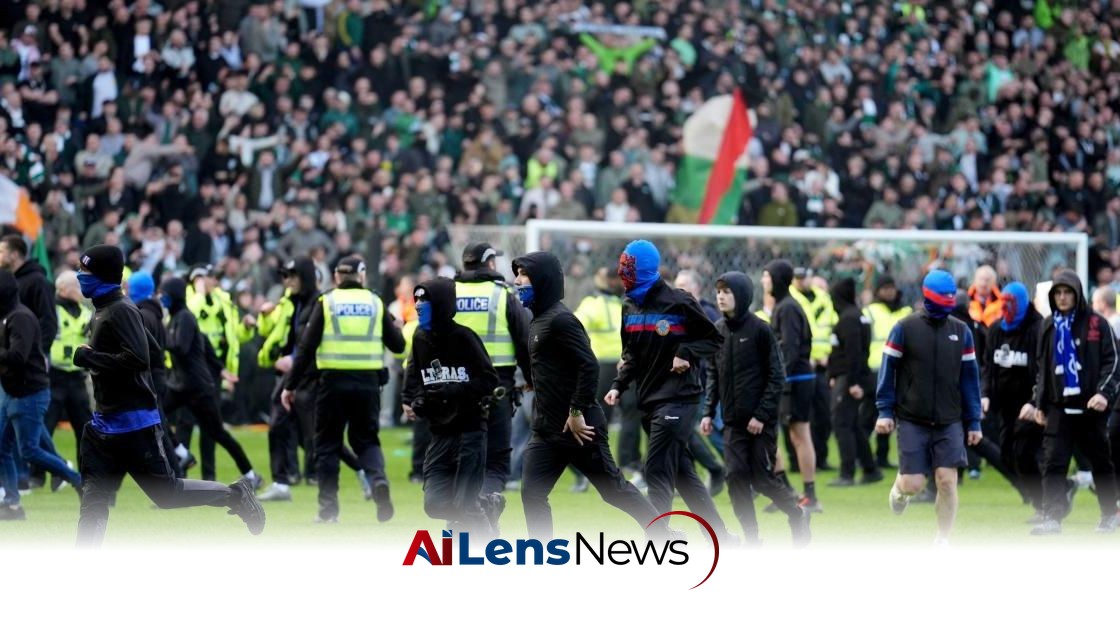


The Scottish Football Association has published an independent review of the Scottish Cup quarter-final between Rangers and Celtic, leading to disciplinary charges against both clubs.
London, United Kingdom Jul 22, 2026 ALN: The Scottish Football Association (SFA) has released the findings of an independent review into the events that transpired during last season's Scottish Cup quarter-final match between Rangers and Celtic, held at Ibrox Stadium. This match, which took place on March 8, 2026, is often referred to as the Old Firm clash, a term that denotes the historic rivalry between the two Glasgow-based football clubs. The Old Firm rivalry is one of the most intense and storied rivalries in football, characterized by a history that spans over a century, deep-rooted cultural and social divisions, and passionate supporters on both sides.
The Old Firm matches are known for their intensity, both on and off the pitch, and this particular encounter was no exception. Following a tightly contested match that ended in a 1-1 draw after extra time, Celtic triumphed over Rangers in a penalty shootout. The culmination of the match saw Celtic advance to the next round of the competition, but the aftermath was marred by incidents that raised concerns regarding crowd control and safety. Such incidents are not uncommon in matches of this magnitude, where emotions run high and the stakes are significant for both clubs and their supporters.
After the final whistle, a significant number of supporters from both clubs made their way onto the pitch, a common occurrence in high-stakes matches but one that can lead to dangerous situations. The sight of fans storming the pitch is often seen as a celebration of victory or a display of frustration in defeat; however, it can quickly escalate into chaos. In response to the influx of fans onto the field, police were forced to intervene, forming a blockade to prevent potential clashes between rival supporters. This intervention highlighted the need for better crowd management strategies during such high-profile events. The need for effective crowd control measures is underscored by the potential for violence, which can lead to injuries and damage to property, as well as tarnishing the reputation of the sport.
In light of these events, the SFA commissioned Mark Blackbourne, an independent reviewer, to conduct a thorough investigation into the circumstances surrounding the match. The review was aimed at understanding not only the immediate incidents that occurred during and after the game but also the broader implications for the organization and management of large-scale football events in Scotland. Blackbourne's task was to analyze the events from multiple perspectives, including the roles of the clubs, the police, and the SFA itself, in ensuring a safe environment for spectators.
On July 21, 2026, the SFA published Blackbourne's report, which comprised 37 pages detailing the findings and recommendations. The report made 30 unique recommendations designed to enhance the safety and security protocols at football matches, particularly those involving high-tension rivalries like the Old Firm. These recommendations are expected to address various aspects of event planning, crowd management, and the implementation of security measures to prevent similar incidents in the future. By identifying specific areas for improvement, the SFA aims to create a safer atmosphere for fans while also preserving the integrity of the sport.
Among the recommendations, the report likely emphasizes the importance of collaboration between clubs, law enforcement, and event organizers to create a comprehensive plan that prioritizes fan safety. This includes improved communication strategies before, during, and after matches to ensure that all stakeholders are aware of their roles and responsibilities in maintaining order. Effective communication can help to mitigate misunderstandings and ensure that the appropriate measures are in place to handle potential disturbances.
In addition to the review, the SFA announced that both Rangers and Celtic have been charged under Disciplinary Rule 37, which pertains to the obligations of clubs to ensure good order and security during matches. This rule mandates that clubs must take reasonable precautions to prevent instances of unacceptable conduct, which includes violence, racism, and other forms of disorderly behavior by their supporters. The enforcement of this rule is critical in holding clubs accountable for the actions of their fans and ensuring that they take the necessary steps to promote a culture of respect and safety.
The hearings for both clubs are scheduled to take place on August 16, 2026, and the outcome of these proceedings could have significant implications for both teams. If found in violation of the rule, they could face penalties ranging from fines to restrictions on ticket sales or even stadium bans for supporters involved in the incidents. The potential for sanctions serves as a reminder of the responsibilities clubs have in managing their supporters and maintaining a safe environment during matches.
Disciplinary Rule 37 outlines the responsibilities of clubs in maintaining a safe environment during matches. It stipulates that clubs must implement policies and procedures aimed at preventing unacceptable conduct and must act decisively to address any incidents that occur. This includes identifying supporters who engage in such conduct and taking appropriate disciplinary measures against them. The implementation of these policies is crucial for fostering a culture of accountability and respect among fans.
The implications of this review and the subsequent charges against Rangers and Celtic extend beyond the immediate fallout from the match. They underscore the ongoing challenges faced by football authorities in managing crowd behavior, particularly in matches characterized by intense rivalry and passion. The SFA's proactive approach in commissioning the review reflects a recognition of these challenges and a commitment to improving the safety and enjoyment of football for all fans. The findings of the review may also lead to increased scrutiny of other clubs and their crowd management practices, prompting a broader conversation about safety in football.
Moreover, the findings of the review may prompt other football associations and clubs to reassess their own security measures and crowd management strategies, particularly in light of the increasing scrutiny on fan behavior in stadiums across Europe. As football continues to grapple with issues of violence and disorder among supporters, the lessons drawn from the Old Firm clash could serve as a valuable case study for improving practices in the sport. The importance of learning from past incidents cannot be overstated, as it can help to prevent similar occurrences in the future.
In summary, the SFA's independent review into the Old Firm clash at Ibrox highlights the complexities of managing large-scale sporting events, especially those steeped in historical rivalry. The recommendations made by Mark Blackbourne aim to enhance safety protocols and ensure that all fans can enjoy the spectacle of football without fear of violence or disorder. The forthcoming disciplinary hearings for Rangers and Celtic will be closely watched, as they may set a precedent for how football authorities address unacceptable conduct in the future. The outcome of these proceedings will not only impact the two clubs involved but could also influence the broader landscape of football governance and fan safety in Scotland and beyond.
To learn more about the latest developments in Golf, stay updated with our exclusive reports and analyses on AiLensNews.

