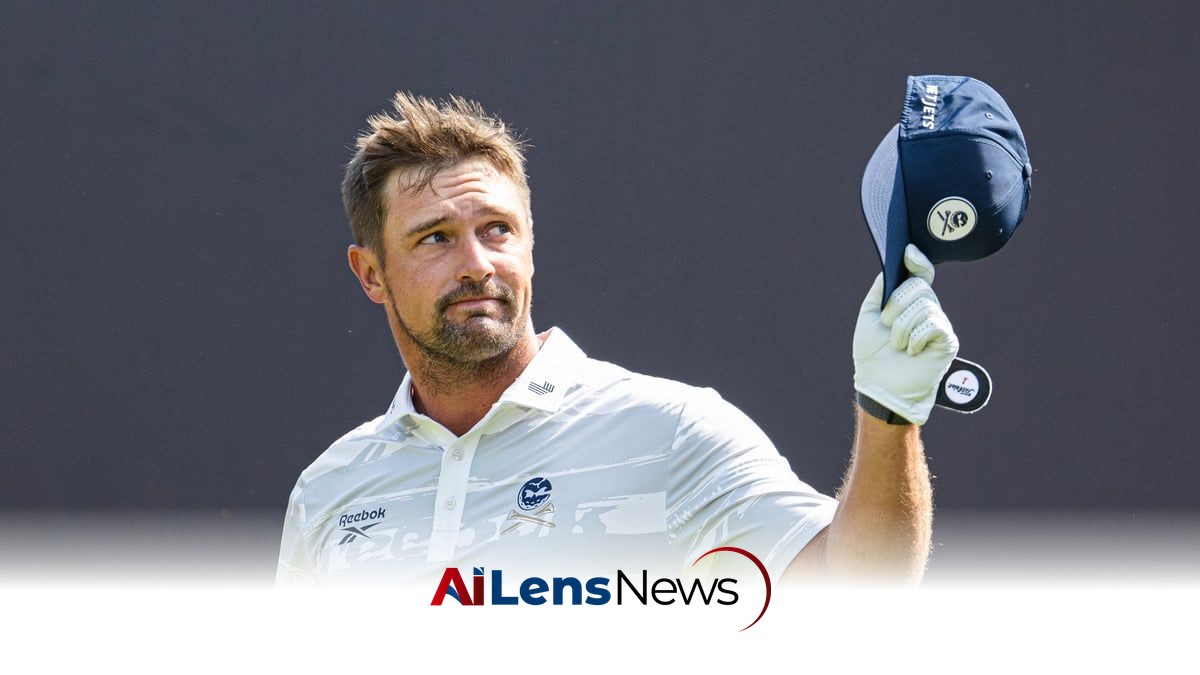


Rory McIlroy expresses his discontent with Bryson DeChambeau's behavior during the Open Championship, calling it performative and attention-seeking.
London, United Kingdom Jul 19, 2026 ALN: Rory McIlroy has openly criticized fellow golfer Bryson DeChambeau, stating he is 'not particularly fond' of him. McIlroy's remarks come in light of DeChambeau's behavior during the recent Open Championship, where he was accused of holding the tournament 'hostage' with his antics. Such comments from a prominent player like McIlroy not only reveal personal feelings but also reflect broader issues within the sport of golf.
McIlroy described DeChambeau as 'performative,' suggesting that his actions are more about seeking attention than the spirit of the game. This sentiment echoes the views of many traditionalists in the sport who believe that golf should maintain a level of decorum and respect. DeChambeau's approach, which often includes scientific methods and unconventional practices, has garnered both admiration and criticism. His methods, including a focus on physics and biomechanics, have revolutionized aspects of the game, yet they have also contributed to a growing divide among players regarding the conduct and attitudes displayed on the course.
The Open Championship, held at Birkdale, has seen its share of controversies over the years, but McIlroy's comments have sparked significant discussion among fans and analysts alike. Many are weighing in on whether DeChambeau's style is beneficial or detrimental to the sport. Some argue that his unique approach brings a fresh perspective to golf, attracting a younger audience and encouraging innovation. Others contend that his behavior detracts from the traditional values of the game, which emphasize patience, respect, and sportsmanship.
As the tournament progresses, the focus will not only be on the leaderboard but also on the dynamics between players, particularly how they interact and respond to each other's behavior. In a sport that prides itself on etiquette, the interactions between players can significantly impact the overall atmosphere of the event. The tension between McIlroy and DeChambeau may serve as a microcosm of larger issues within professional golf, including the balance between tradition and modernity.
McIlroy's candid remarks highlight the ongoing tensions within professional golf, raising questions about sportsmanship and the image players wish to project. As a four-time major champion, McIlroy carries considerable weight in the golfing community, and his opinions can influence public perception and player dynamics. His comments may resonate with fans who appreciate the traditional values of golf and are concerned about the direction the sport is heading.
Furthermore, the implications of McIlroy's critique extend beyond just personal rivalry. They touch on the evolving nature of sportsmanship in golf, especially in an era where social media amplifies every action and reaction. Players are now more visible than ever, not only on the course but also in their interactions off the course. The scrutiny that comes with this visibility can lead to heightened tensions and a more polarized environment among players.
DeChambeau's conduct has previously raised eyebrows, particularly regarding his pace of play and his interactions with fans and officials. Critics argue that his need for attention can overshadow the collective experience of the tournament, while supporters believe he is simply being true to himself and advocating for a new way to engage with the game. This dichotomy of opinion underscores a significant cultural shift within the sport, as younger players like DeChambeau challenge established norms.
The Open Championship is not only a prestigious event but also a platform where the traditions of golf are on full display. Held annually, it is one of the four major championships in professional golf, attracting the best players from around the world. The history of the tournament is rich, filled with legendary moments and iconic players who have shaped the game. However, the presence of modern players like DeChambeau introduces new narratives that can either enrich or complicate the legacy of these events.
The ongoing debate about DeChambeau's impact on golf may also influence how future generations of golfers approach the game. If players feel encouraged to prioritize individuality and self-expression over traditional values, the landscape of professional golf could undergo significant changes. This shift could lead to a more diverse representation of playing styles and personalities, but it may also alienate fans who cherish the sport's longstanding traditions.
In light of these developments, it is essential for the golfing community to engage in constructive dialogue about what constitutes good sportsmanship and how players can navigate their personal brands while respecting the game's history. The balance between innovation and tradition is a delicate one, and it is crucial for players, fans, and officials to work together to ensure that golf remains a sport that is both respectful of its past and open to its future.
In conclusion, McIlroy's comments regarding DeChambeau serve as a catalyst for a larger conversation about the future of golf. As the sport continues to evolve, the interactions and attitudes of its players will play a significant role in shaping its identity. The ongoing tensions and differing perspectives within the professional golfing community highlight the need for a thoughtful examination of what it means to be a golfer in today's world, as well as how players can coexist amid their differences while upholding the integrity of the game.
To better understand the context of McIlroy's remarks, it is important to acknowledge the historical background of golf as a sport. Golf has long been associated with traditions that emphasize respect, etiquette, and a sense of honor. These values have been integral to the game's identity, creating a framework within which players interact with one another and with the sport itself. The emergence of players like DeChambeau, who push the boundaries of these traditions, raises essential questions about the future direction of the sport.
Traditionally, golf has been a sport where the pace of play is not only a matter of competition but also of courtesy. The expectation is that players will respect one another's time and maintain a steady rhythm during their rounds. DeChambeau's style, which often involves meticulous calculations and adjustments, has led to criticisms regarding his pace of play. These critiques underscore a fundamental clash between the traditional expectations of the sport and the modern interpretations of how the game can be played.
The presence of technology in golf, particularly in the form of advanced analytics and training tools, has also contributed to the evolving landscape of the sport. Players like DeChambeau utilize technology to gain a competitive edge, which has sparked discussions about the role of technology in golf. While some view this as a positive development that enhances the game, others believe it detracts from the core essence of golf, which is often seen as a battle of skill and mental fortitude.
Moreover, the influence of social media cannot be underestimated in this discourse. Platforms like Twitter, Instagram, and TikTok have transformed how players engage with their fans and how they present their personas. DeChambeau's willingness to embrace this new form of interaction has garnered him a significant following, but it also invites scrutiny and criticism. The interplay between a player’s online persona and their on-course behavior can create a complex dynamic that influences public perception and player relationships.
As golf continues to navigate these challenges, the need for dialogue becomes increasingly important. The sport must find ways to honor its traditions while also embracing the changes that modern players bring. This balance is crucial not only for maintaining the integrity of the game but also for ensuring its relevance in a rapidly changing world.
In summary, McIlroy's critique of DeChambeau is more than just a personal opinion; it encapsulates the broader tensions within professional golf. The future of the sport will depend on how players, fans, and officials respond to these challenges and whether they can find common ground that respects the rich history of golf while allowing for innovation and growth.
To learn more about the latest developments in Basketball, stay updated with our exclusive reports and analyses on AiLensNews.

