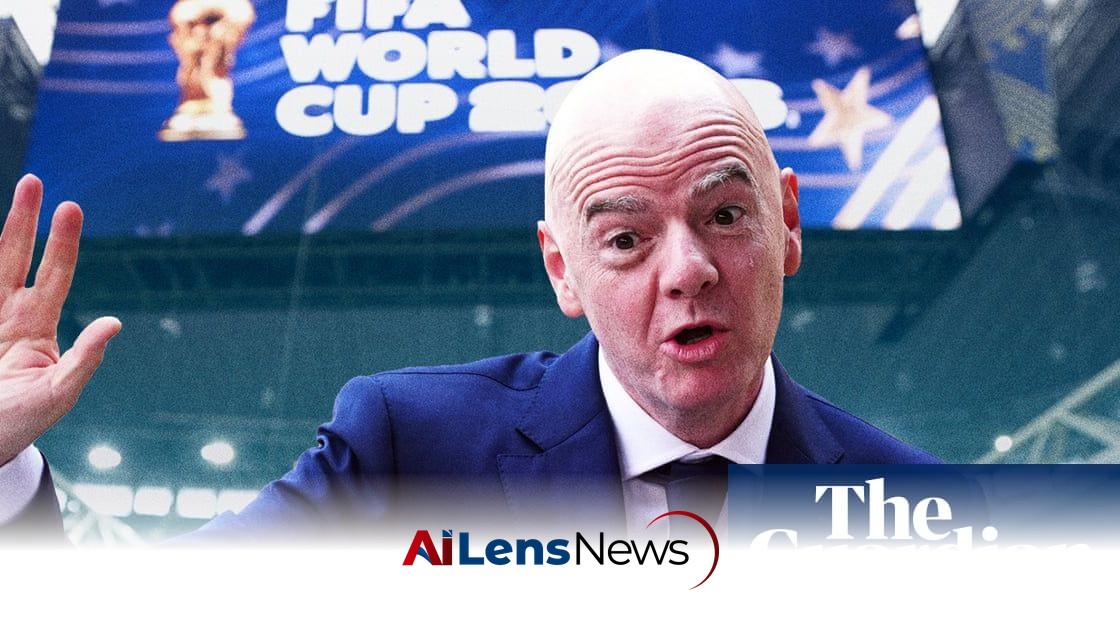


FIFA President Gianni Infantino's proposal to sell stakes in the World Cup to private investors has sparked significant backlash, with UEFA accusing FIFA of compromising the integrity of football.
London, United Kingdom Jul 29, 2026 ALN: FIFA President Gianni Infantino has recently announced a controversial plan to sell stakes in the World Cup to private investors, aiming to create a new commercial entity valued at approximately $20 billion. This proposal has drawn immediate criticism from various quarters, particularly from UEFA, which has accused FIFA of attempting to "sell football's soul".
Infantino's initiative is part of a broader strategy to attract private investment into the world of football, particularly in light of the financial challenges faced by many football associations globally. The move is intended to secure additional funding that could be used to support grassroots initiatives, improve facilities, and enhance the overall quality of the sport worldwide. One of the most notable potential investors is Joshua Kushner, brother of Jared Kushner, former senior advisor to President Donald Trump. This connection has raised eyebrows and intensified scrutiny over the motivations behind the investment. Critics worry that the involvement of politically connected figures may complicate the relationship between football and its governing bodies.
The backlash against Infantino's proposal has been swift. UEFA's response highlights a growing concern among football organizations about the increasing commercialization of the sport. UEFA President Aleksander Čeferin expressed his dismay, stating that such moves threaten the integrity and heritage of football, which has traditionally been seen as a sport for the people, not just for profit. This sentiment resonates with many fans and players who believe that the essence of football should remain rooted in its community and cultural significance.
In addition to UEFA's response, various fan groups and former players have voiced their concerns. Many see the proposal as an encroachment on the traditional values of football, which have historically prioritized community engagement and competitive fairness. Some have gone so far as to label the plan as a "money grab" that could alienate the very supporters who have been the backbone of the sport for generations.
Critics argue that this shift towards privatization could lead to a scenario where financial interests overshadow the sport's core values. The fear is that the essence of football, which has always been about community, competition, and passion, could be compromised in favor of profit margins and investor returns. The potential for increased ticket prices, commercialization of matchday experiences, and a focus on lucrative broadcasting deals could alienate the very fans that form the backbone of the sport.
Moreover, the introduction of private investors could lead to a change in how football clubs and associations operate, prioritizing financial gain over competitive integrity. There is a concern that clubs may begin to favor investors' interests over those of their local communities, resulting in a dilution of traditional rivalries and a shift away from the grassroots ethos that has defined football for generations. This could also lead to a scenario where the competitive balance of leagues is disrupted, as clubs with significant financial backing could dominate the market.
This isn't the first time FIFA has faced criticism for its financial dealings. The organization has been under scrutiny for various corruption scandals over the years, which have tainted its reputation. Infantino's latest announcement comes at a time when trust in FIFA is already fragile, and many stakeholders are wary of any moves that could further commercialize the sport. The history of FIFA's governance has been marred by issues of transparency and accountability, and this latest proposal raises questions about whether the organization is truly acting in the best interests of football or simply pursuing profit.
In the past, FIFA's decisions have often been met with skepticism, particularly when it comes to the allocation of World Cup hosting rights and the management of funds generated from major tournaments. The perception that FIFA prioritizes financial gain over the sport's integrity has led to widespread calls for reform and greater oversight of the organization. The recent scandals, including bribery and corruption allegations involving high-ranking officials, have further eroded public trust and raised alarms about the governance of football.
As the discussions around this proposal continue, the football community is left to ponder the potential consequences. Will the influx of private capital lead to improved infrastructure and opportunities for players, or will it result in a sport that prioritizes profit over passion? The implications of this decision extend beyond just financial considerations; they touch upon the very identity of football as a global sport.
In recent years, football has seen a rise in the influence of wealthy owners and investors, particularly in leagues such as the Premier League and Major League Soccer. This trend has sparked debates about the sustainability of football's economic model and the potential for a widening gap between wealthy clubs and those struggling to compete. Infantino's proposal could exacerbate these disparities, leading to a situation where only a handful of clubs benefit from increased investment while others are left behind.
Furthermore, the global nature of football means that any changes implemented by FIFA will have far-reaching effects. The sport is not just a source of entertainment; it is a cultural phenomenon that brings together people from diverse backgrounds. The potential for increased commercialization raises questions about the accessibility of football for fans, particularly in lower-income regions where the sport is a vital part of community life. If ticket prices soar or if clubs begin to prioritize high-paying sponsors over fan engagement, the sport could become less inclusive, undermining its status as a global game.
In conclusion, Infantino's plan to sell World Cup stakes has ignited a significant debate about the commercialization of football. As stakeholders voice their concerns, it remains to be seen how FIFA will navigate these turbulent waters and whether it can maintain the sport's integrity amid growing financial pressures. The outcome of this proposal will likely shape the future of football for years to come, influencing everything from club operations to fan engagement and the overall direction of the sport on a global scale. The decisions made in the coming months will not only impact the financial landscape of football but could also redefine its cultural significance in societies around the world.
To learn more about the latest developments in Golf, stay updated with our exclusive reports and analyses on AiLensNews.

