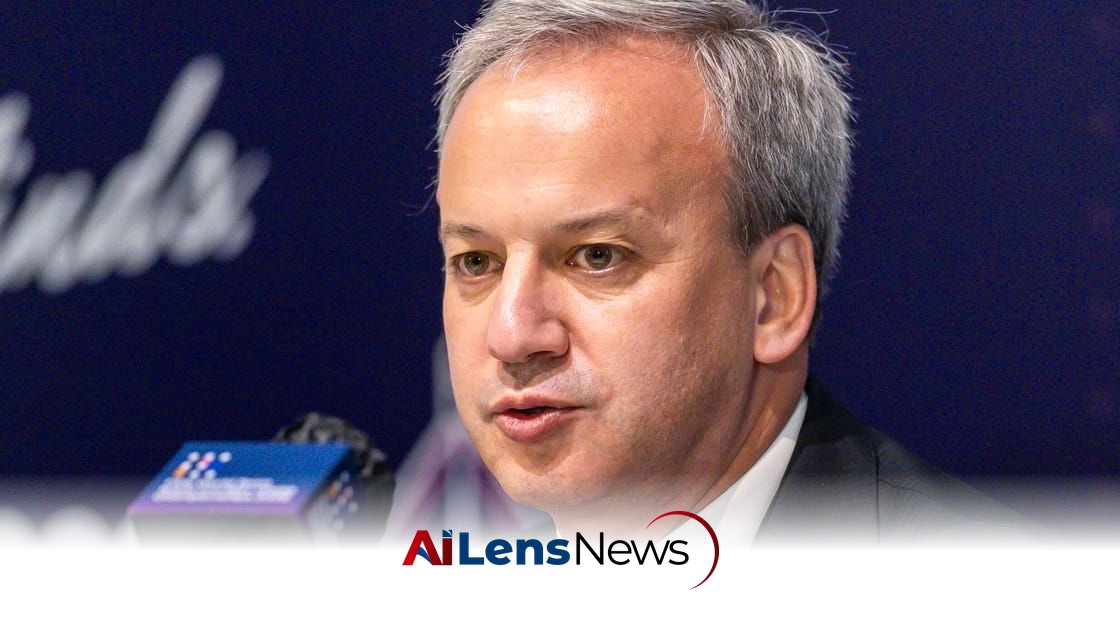


Arkady Dvorkovich has stepped aside as FIDE president following EU sanctions accusing him of undermining Ukraine's sovereignty.
London, United Kingdom Jul 24, 2026 ALN: Arkady Dvorkovich, who has held the position of president of the International Chess Federation (FIDE) since 2018, has recently announced the suspension of his duties following the imposition of sanctions against him by the European Union (EU). This development has raised significant discussions in the chess community and beyond, particularly regarding the intersection of sports and politics in the context of international relations.
The sanctions, part of a broader package implemented by the EU, were enacted in response to Dvorkovich’s alleged support for actions that undermine the territorial integrity and sovereignty of Ukraine. This move is reflective of the EU’s ongoing efforts to hold individuals accountable for their roles in the geopolitical tensions stemming from the conflict between Russia and Ukraine, which escalated significantly in 2022. The EU has been active in sanctioning various Russian officials and entities, aiming to apply pressure on the Russian government due to its military actions and policies in Ukraine.
These sanctions are part of a larger strategy employed by the EU and other Western nations to counteract Russian aggression in the region. The sanctions have targeted various sectors, including finance, energy, and defense, and have included travel bans and asset freezes for numerous individuals believed to be complicit in the actions against Ukraine. Dvorkovich's inclusion in this list indicates the EU's view of his political affiliations as problematic, particularly in light of the current geopolitical climate.
Dvorkovich has publicly contested the sanctions, describing them as "unlawful and unfair." He expressed confidence that justice will ultimately prevail, indicating his intent to challenge the EU's decision. This assertion of his rights reflects a broader sentiment among some individuals and organizations in Russia who view the sanctions as politically motivated rather than based on legitimate legal grounds. Dvorkovich’s stance is emblematic of a larger narrative within Russia, where many see the sanctions as an infringement on national sovereignty and an unjust targeting of individuals based on their political beliefs and affiliations.
Having previously served as Russia’s deputy prime minister from 2012 to 2018, Dvorkovich's political background has often put him in the spotlight, particularly regarding his connections to the Kremlin. His presidency at FIDE has been met with scrutiny, as many critics have pointed to his ties with President Vladimir Putin and the Russian government. This scrutiny is not unique to Dvorkovich; it speaks to a larger trend where leaders in various sports organizations are increasingly being held accountable for their political affiliations and the actions of their governments. The overlap between governance in sports and politics raises questions about the integrity of organizations like FIDE and their ability to operate independently of national influences.
In light of Dvorkovich's suspension, FIDE Deputy President Viswanathan Anand, a revered figure in the chess world and former world champion, will assume his responsibilities. Anand's appointment to this interim position is significant, as he has previously expressed that Dvorkovich has demonstrated independence from Kremlin influence. Anand's leadership may be viewed as a stabilizing factor for FIDE during this tumultuous period, especially as the organization navigates the complexities of international sports governance amidst geopolitical strife. Anand, known for his diplomatic approach and respect within the chess community, may help FIDE maintain its focus on the sport while addressing the political challenges that have arisen.
Under Dvorkovich's leadership, FIDE has made several notable changes, including reforms aimed at increasing the global reach of chess and enhancing its governance structures. These reforms have included initiatives to promote chess in schools and increase participation among women and underrepresented groups in the sport. However, his tenure has not been without controversy. In 2022, FIDE's Ethics and Disciplinary Commission made a pivotal decision to overturn a prior ruling that had temporarily suspended the Chess Federation of Russia. This ruling had reprimanded Dvorkovich for what was described as "improper association" with entities whose activities conflicted with the objectives of FIDE. The rescinding of this reprimand has raised questions about the integrity of FIDE’s governance and its commitment to maintaining ethical standards in the face of political pressures.
The implications of Dvorkovich’s suspension extend beyond his personal career and FIDE’s immediate leadership. They highlight the ongoing challenges faced by international sporting bodies as they grapple with the influence of national politics on their operations. The intersection of sports and politics has become increasingly pronounced, especially in the wake of global events that have polarized international relations. Sporting organizations are often caught in the crossfire, needing to balance their missions of promoting sport and international cooperation with the realities of political pressures and public sentiment. This scenario raises critical questions about the future of international sports governance and the role that organizations like FIDE will play in navigating these turbulent waters.
Moreover, the chess community itself is diverse and global, comprising players, officials, and enthusiasts from various countries, many of whom hold differing views on the political situation in Ukraine and Russia. Dvorkovich’s suspension may lead to divisions within the chess community, as opinions differ on how FIDE should respond to the ongoing conflict and the broader implications of sanctions on sports governance. The chess world has historically prided itself on being a unifying force, transcending national boundaries and political divides. However, the current geopolitical climate poses challenges to this ideal, as individuals and organizations grapple with the consequences of their affiliations and the impact of international policies on their beloved sport.
As the chess world watches these developments unfold, the future of FIDE under Anand's temporary leadership remains uncertain. Anand’s approach to governance may set the tone for FIDE's strategic direction in the coming months, especially as the organization seeks to maintain its credibility and integrity on the international stage. The chess community will be keenly observing how FIDE navigates these challenges while ensuring that the game of chess continues to thrive globally. Anand’s leadership style, characterized by a focus on inclusivity and collaboration, could be pivotal in fostering unity within the chess community during this period of upheaval.
In conclusion, Arkady Dvorkovich's suspension from his duties as FIDE president serves as a poignant reminder of the intricate relationship between sports, politics, and international relations. As the chess federation moves forward under new leadership, it will be essential for FIDE to uphold its principles and adapt to the shifting landscape of global governance while fostering an inclusive environment for all chess players around the world. The situation underscores the need for sports organizations to navigate the complex interplay of political dynamics while remaining committed to their core missions of promoting the sport and supporting its global community. The chess world awaits with bated breath to see how FIDE will respond to these challenges and what the future holds for the organization and the game itself.
To learn more about the latest developments in Chess, stay updated with our exclusive reports and analyses on AiLensNews.

