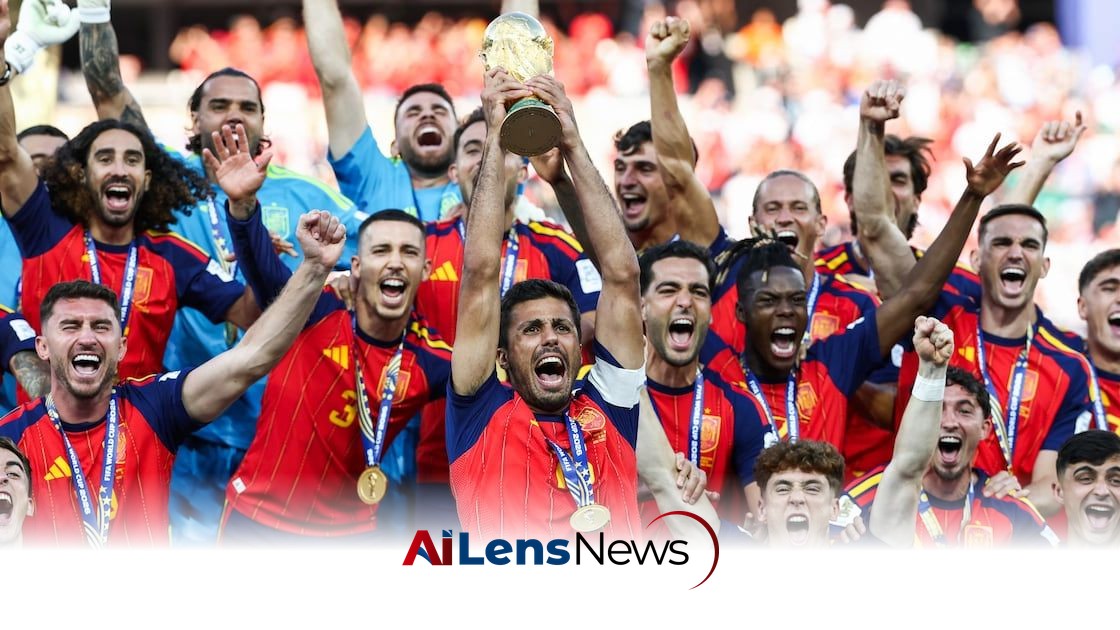


The Football Association of Ireland has aligned with UEFA's national associations to boycott FIFA competitions over proposed private equity stakes in the World Cup.
London, United Kingdom Jul 31, 2026 ALN: The Football Association of Ireland (FAI) has taken a significant step by joining forces with UEFA’s national associations in a boycott of all FIFA competitions. This decision arises from FIFA's controversial plans to sell a stake in the World Cup to private-equity firms, a move that has sparked widespread concern and dissent among football associations globally.
On a recent Tuesday, FIFA reached out to its member associations with a proposal that would transfer the commercial interests of the World Cup, along with all other FIFA competitions, to a newly established subsidiary. The proposal includes the possibility of selling up to 20 percent of this subsidiary to private investors. This initiative is perceived by many as a potential threat to the integrity and governance of football, as it introduces profit-driven motives into an arena traditionally governed by sporting values.
In an unprecedented show of unity, UEFA's 55 member associations convened on Thursday and issued a statement declaring their collective decision to boycott FIFA competitions unless these proposals are abandoned. They also demanded binding assurances that such plans would not be revived in the future. This stance marks a significant rupture in the relationship between UEFA, the governing body for European football, and FIFA, the global governing body.
UEFA's statement was particularly severe, characterizing FIFA’s presentation of the proposals as “an act of coercion.” This language reflects the deep-seated frustration and distrust that many European football associations feel towards FIFA's leadership. FIFA President Gianni Infantino, in his communication with member associations, claimed that the adoption of these proposals would provide a substantial financial boost, with funding for member associations potentially reaching $20 million over a four-year period. He also indicated that if the proposals were accepted by September 19th, members could receive an additional bonus payment of $20 million on January 1st of the following year.
However, the prospect of financial incentives has not swayed UEFA or its member associations. The potential boycott by European nations poses a serious threat to the commercial value of FIFA competitions. Given that UEFA represents a significant portion of the global football market, their withdrawal could lead to a substantial decrease in revenue from sponsorships and broadcasting rights, compelling FIFA to reconsider its position.
In a further complicating development for FIFA, all 41 member nations of the North American confederation, Concacaf, have also expressed their rejection of the proposed plans, though they have not yet committed to a full boycott. This growing dissent from multiple confederations signals a potential crisis for FIFA as it navigates the complexities of international football governance.
The FAI's official statement echoed the sentiments of UEFA, affirming its support for the collective decision to reject FIFA’s proposal concerning the transfer of ownership interests in the FIFA World Cup and other competitions. The FAI emphasized the necessity for such critical decisions to be based on strong governance, transparency, and meaningful consultation with all stakeholders involved. In a show of solidarity with UEFA’s stance, the FAI announced that Ireland’s national teams would refrain from participating in FIFA competitions while these proposals remain under consideration.
The implications of this boycott extend beyond immediate financial concerns. The integrity of football governance, the balance of power between FIFA and its member associations, and the future of international competitions are all at stake. The FAI's decision to stand with UEFA could embolden other associations to take a similar stance, potentially leading to a wider movement against FIFA's proposed changes.
Looking ahead, Ireland's next scheduled involvement in FIFA competition is the 2027 Women’s World Cup play-off against Kazakhstan, set for October 7th. Despite the ongoing dispute, it is understood that the FAI will continue its preparations for the match as normal, holding out hope that the situation will be resolved amicably before then. The outcome of these discussions will be closely watched, as they could set a precedent for how football governance is approached in the future.
This situation has also prompted wider discussions about the commercialization of football and the potential risks associated with allowing private investors to hold stakes in major competitions. Critics argue that such moves could prioritize profit over the sport, leading to decisions that may not align with the values of fair play and competition that football embodies. The prospect of private equity firms having a say in the governance of the sport raises questions about the long-term implications for the game’s integrity and the interests of fans and players alike.
As the situation develops, the responses from FIFA and other confederations will be crucial in determining the future landscape of international football. The growing discontent among member associations may force FIFA to reconsider its approach to governance and stakeholder engagement, potentially leading to a more collaborative and transparent process moving forward. The unfolding events serve as a reminder of the delicate balance between commercial interests and the fundamental principles that underpin the sport of football.
Historically, FIFA has faced criticism regarding its governance and transparency, with various scandals impacting its reputation. The organization has been accused of corruption, mismanagement, and a lack of accountability, leading to calls for reform from within the football community. The current situation reflects ongoing tensions between profit motives and the sport's core values, highlighting the need for a governance structure that prioritizes the interests of the game and its stakeholders.
Furthermore, this boycott could have broader implications for the future of international tournaments. If UEFA and other confederations maintain their stance, it could lead to a significant restructuring of how global competitions are organized and financed. This could result in a shift towards more equitable distribution of revenue and a focus on sustainability in football governance.
In conclusion, the FAI's decision to join UEFA in boycotting FIFA competitions highlights the growing unease within the football community regarding the commercialization of the sport. As member associations rally together to demand greater transparency and accountability from FIFA, the potential for a transformative shift in the governance of football becomes increasingly plausible. The outcome of this situation will not only affect the financial landscape of the sport but also its very essence, as the balance between commercial interests and the integrity of football is scrutinized more than ever before.
To learn more about the latest developments in Golf, stay updated with our exclusive reports and analyses on AiLensNews.

