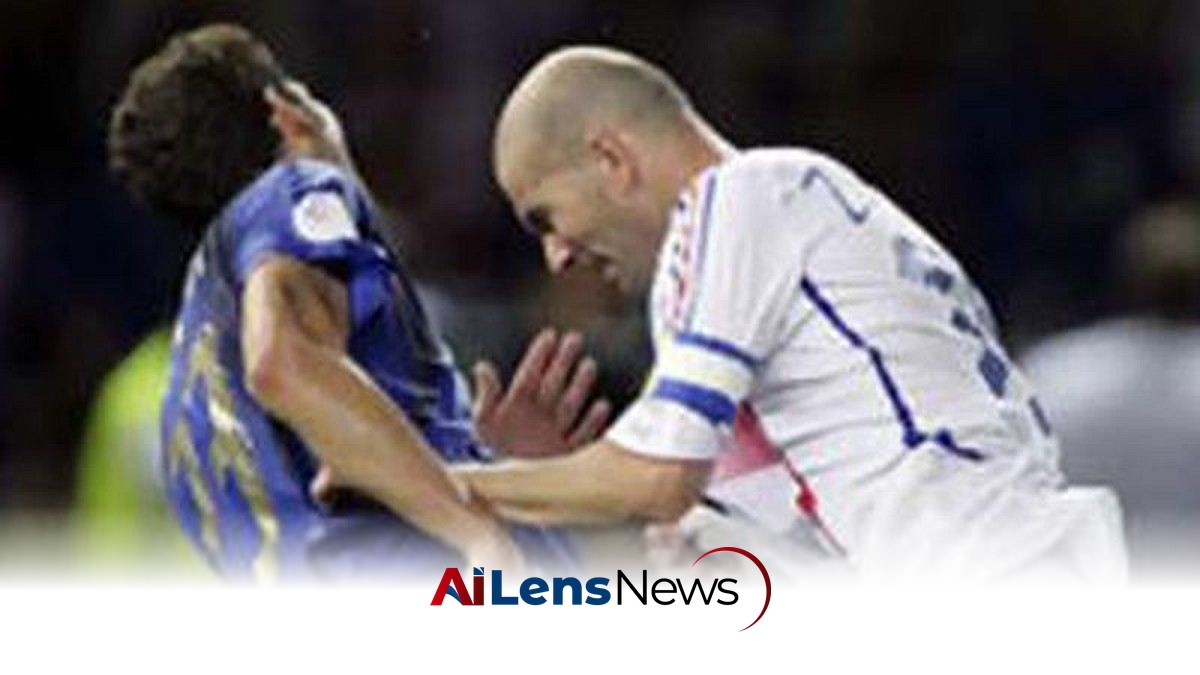


As France faces Spain in the semi-finals, we reflect on Zidane's unforgettable headbutt that defined the 2006 World Cup final against Italy.
Abu Dhabi, United Arab Emirates Jul 14, 2026 ALN: You just had to be there. That's what every football fan would say, but that statement rings even louder when it comes to the 2006 World Cup finals, between France and Italy. The match, held on July 9, 2006, at the Olympiastadion in Berlin, was not only a culmination of a month-long tournament but also a defining moment in the careers of several players, particularly Zinedine Zidane, who was playing in his last professional match.
As France and Spain meet in today’s high-stakes semi-final, it’s worth revisiting one of France’s most searing World Cup final appearances — a match that became famous not only for the result but also for a moment that was replayed everywhere on the internet at the time (this was the age before memes and Twitter had taken over). The 2006 World Cup final is often viewed through the lens of Zidane's headbutt, a moment that transcended the sport and sparked discussions about sportsmanship, pressure, and the human condition.
The 2006 World Cup final between France and Italy was an emotional one. Two football stars, a tense extra-time battle, and a dramatic ending characterized the match. But it is remembered most for Zinedine Zidane’s final act as an international player. Zidane, who had previously led France to victory in the 1998 World Cup, was seen as a footballing genius, a player whose vision and skill could change the course of a match in an instant.
In Berlin, with the score tied 1-1 in extra time, France captain Zinedine Zidane was just minutes away from potentially ending his international career with a second World Cup title. This final was more than just a game; it represented a chance for redemption and glory for a nation that had once lifted the trophy. Zidane had already played a starring role in the final, scoring France’s opening goal from the penalty spot in the 7th minute, a moment that sent waves of hope through the French supporters.
However, the tension escalated as the match progressed. Italy equalized in the 19th minute with a goal from Marco Materazzi, setting the stage for a gripping contest. The match was physical, with both teams displaying determination and resilience. Then came the moment that changed the night. In the 109th minute, Zidane and Italian defender Marco Materazzi exchanged words while moving up the pitch. The details of their exchange would soon become the subject of intense scrutiny and speculation.
Moments later, Zidane turned and headbutted Materazzi in the chest, sending the Italian defender to the ground. The incident initially went unnoticed by referee Horacio Elizondo, as play continued. However, after consulting his officials, including fourth official Luis Medina Cantalejo, Elizondo reviewed what had happened and showed Zidane a red card. The France captain’s final appearance for his country was over.
As Zidane walked off the pitch, the image of him passing near the World Cup trophy became one of the most memorable scenes in football history. It was a poignant moment that encapsulated the bittersweet nature of sport — the thrill of victory intertwined with the agony of defeat. Forced to watch from the sidelines, he saw France take the match to penalties after extra time ended 1-1. Italy eventually won the shootout 5-3, with Materazzi scoring one of Italy’s penalties, further complicating the narrative of the final.
After the final, one question dominated conversations around the world: what had caused Zidane, known for his calm and composed style, to react that way? The incident sparked debates about the pressures of high-stakes competition and the limits of professional conduct. Initial reports claimed Materazzi had directed offensive comments at Zidane, including allegations that he had made remarks about Zidane’s family and background. Materazzi denied the accusations, and several publications later apologized after reports about the exchange were challenged.
Years later, Materazzi revealed his version of what happened. He said the confrontation began after he had grabbed Zidane’s shirt while defending. According to Materazzi, Zidane told him: “If you want my shirt, you can have it after the game.” Materazzi responded with a remark about Zidane’s sister. For Zidane, the comment crossed a personal line. His sister Lila was helping care for their ill mother at the time, and he later explained that the remark upset him deeply. Speaking to French publication L’Équipe in 2022, Zidane said: “He triggered something talking about my sister.” He added: “It was only a second. Then it was over.” This brief moment of emotional response would go on to define his legacy in a way that few could have anticipated.
A red card in a World Cup final could have defined Zidane’s career in the worst possible way. Instead, the incident became a complicated part of his legacy. The headbutt became so iconic that French-Algerian artist Adel Abdessemed later immortalized the moment in a bronze sculpture featuring Zidane and Materazzi. This sculpture serves as a reminder of the complexities of human emotion in sports, illustrating how even the greatest athletes are not immune to the pressures and provocations they face on the field.
But even one of football’s most heated confrontations eventually found closure. In 2010, Zidane and Materazzi crossed paths in Milan and put the incident behind them. The details of their conversation remained private, but the two former rivals ended their meeting with a simple gesture familiar to athletes everywhere: a handshake. This act of reconciliation underscored a broader theme in sports — the capacity for forgiveness and the importance of moving forward.
The legacy of Zidane's headbutt continues to be a point of reference in discussions about sportsmanship and the pressures athletes face at the highest level. It serves as a reminder that even in the most celebrated moments of triumph, the human experience is marked by vulnerability and emotional complexity. Zidane's headbutt invites reflection on the nature of competition, the fragility of reputation, and the enduring impact of a single moment in time.
As we look back on that fateful night in Berlin, the incident remains a poignant chapter in the history of the World Cup, illustrating the unpredictable nature of sports and the profound connections that exist within the game. Zidane's legacy, shaped by both brilliance and controversy, continues to inspire conversations about the dualities of success and failure, honor and disgrace, and the enduring spirit of competition.
To learn more about the latest developments in Basketball, stay updated with our exclusive reports and analyses on AiLensNews.

