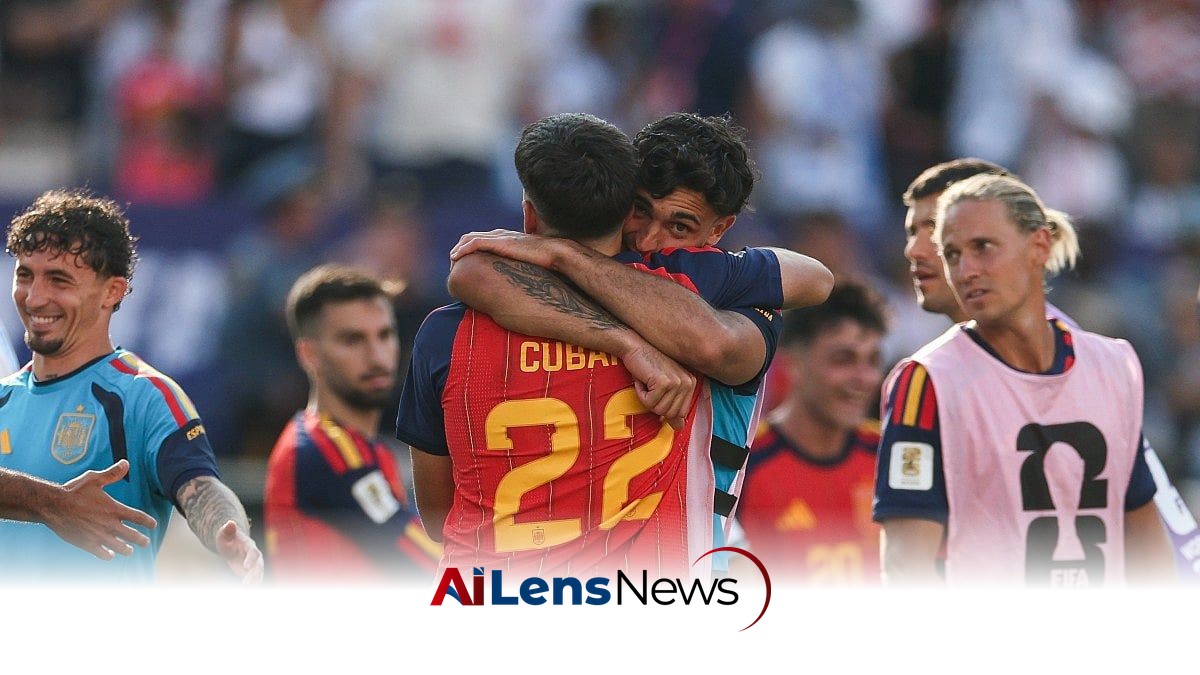


Madrid erupted in celebration as fans took to the streets following Spain's World Cup win against Argentina, marking their second title.
Abu Dhabi, United Arab Emirates Jul 20, 2026 ALN: Spain fans flooded Madrid's streets, waving flags, cheering, and honking car horns on Sunday after their side beat Argentina 1-0 to win the World Cup for a second time, according to an AFP reporter at the scene.
Hordes of supporters decked out in the national team's trademark red jerseys streamed along the Paseo de Recoletos towards Cibeles Square, the traditional gathering point for celebrations by Spain's national team and its fans. This square, adorned with the iconic fountain of Cibeles, has long served as a backdrop for monumental celebrations in Spanish football history, including Spain's previous World Cup victory in 2010. The significance of this location, combined with the jubilant atmosphere, created a scene of unbridled joy that resonated throughout the city.
The atmosphere was electric as fans celebrated their team's remarkable achievement. The streets were filled with the sounds of jubilation, with many singing songs and chanting the names of their favorite players. The victory brought together people from all walks of life, transcending age, background, and even regional differences within Spain. Young children, grandparents, and everyone in between joined in the festivities, embodying a sense of national identity and collective pride.
Families and friends gathered together, sharing in the excitement and pride of their national team's success. The sense of unity among the fans was palpable, as they celebrated not just a victory, but a moment of national pride. This shared experience helped to strengthen community bonds, as neighbors and friends who may not have interacted regularly came together to revel in the triumph of their national team. The celebrations were marked by spontaneous street parties, with music, dancing, and impromptu gatherings that highlighted the communal spirit of the occasion.
This victory marks Spain's second World Cup title, a significant achievement that adds to the nation's rich footballing history. The last time Spain lifted the trophy was in 2010, a moment that had a profound impact on the nation's football culture and identity. That victory was not just a sporting achievement; it was a source of national pride during a period of economic hardship in Spain. The triumph in 2023 has similarly resonated with the public, providing a much-needed boost to morale and a sense of hope for the future.
Spain's footballing legacy is characterized by a blend of tactical innovation and passionate play. The national team, known as La Roja, has been a formidable force in international football, with a style of play that emphasizes possession and technical skill. The victory over Argentina in the final was a testament to this approach, showcasing the team's resilience and determination on the global stage. The match itself was a tightly contested affair, with Spain demonstrating both defensive solidity and attacking flair, ultimately securing their place in football history once again.
As fans continue to celebrate, the focus will soon shift to the future of Spanish football and the next challenges that lie ahead for the national team. The World Cup victory not only cements Spain's status as a footballing powerhouse but also raises expectations for upcoming tournaments, including the UEFA European Championship. Fans and analysts alike will be watching closely to see how the team evolves and adapts in the coming years.
The success of the national team can also have broader implications for Spanish football at all levels. Young players across the country will be inspired by this achievement, potentially leading to a new generation of talent emerging from local clubs and academies. The victory may also stimulate interest in grassroots football, encouraging more children to take up the sport and fostering a love for the game that can sustain Spain's footballing heritage for generations to come.
Moreover, the victory has the potential to impact the financial aspects of Spanish football. Increased interest from sponsors, higher attendance at matches, and greater media coverage can provide a financial boost to clubs at all levels. This could enhance the overall competitiveness of Spanish football, allowing clubs to invest in better facilities, coaching, and player development programs.
For now, however, the streets of Madrid remain a vibrant tapestry of red and yellow, filled with joy and celebration. The echoes of cheers and songs will linger long after the final whistle, marking a moment that will be remembered not just for the trophy, but for the unity and pride it fostered among the Spanish people. As the confetti settles and the celebrations wind down, the legacy of this World Cup victory will continue to inspire and uplift, reminding everyone of the power of sport to bring people together and create moments of joy in the fabric of national identity.
To learn more about the latest developments in Basketball, stay updated with our exclusive reports and analyses on AiLensNews.

