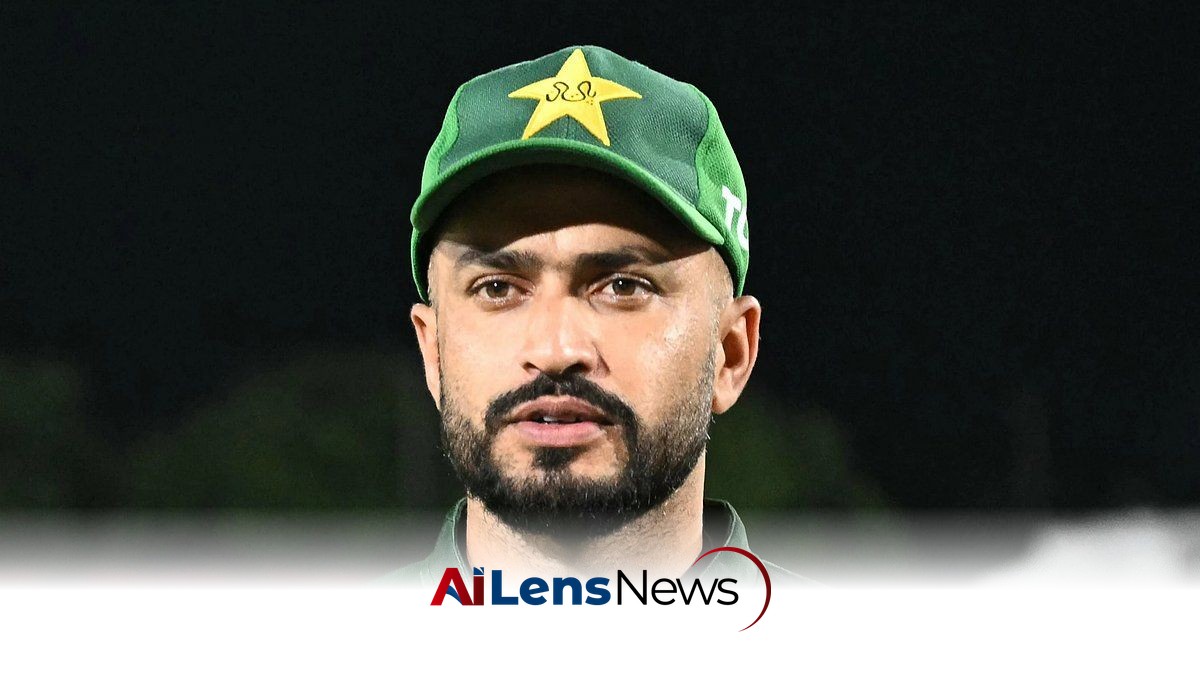


Pakistan's Mohammad Nawaz has been suspended for three months after testing positive for Carboxy-THC during the T20 World Cup, with eligibility to return after treatment.
Abu Dhabi, United Arab Emirates Jul 17, 2026 ALN: Pakistan all-rounder Mohammad Nawaz has recently been in the spotlight after accepting a sanction under the International Cricket Council (ICC) Anti-Doping Code, following a positive test for a prohibited substance. This incident came to light after the ICC Men's T20 World Cup, which took place earlier this year. Nawaz, who has been a crucial player for Pakistan, particularly in the T20 format, tested positive for Carboxy-THC, a metabolite associated with tetrahydrocannabinol (THC), the main psychoactive component of cannabis. This positive test occurred after Pakistan's T20 World Cup match against the Netherlands held in Colombo on February 7.
The ICC's announcement has raised significant concerns about doping in cricket, a sport that has been striving to maintain its integrity and uphold fair play. The detection of Carboxy-THC, classified as a Substance of Abuse, suggests that Nawaz's use of the substance was not aimed at enhancing his performance on the field but rather occurred outside of competitive play. This distinction is crucial, as it reflects the ICC's approach to managing doping violations, particularly those involving recreational drugs.
In accordance with the ICC Anti-Doping Code, Nawaz's individual results from the match against the Netherlands, along with all subsequent matches up to May 1, have been disqualified. This means that any contributions he made during those matches will not be counted, which can have significant implications for his career and for the Pakistan cricket team. Disqualification of match results can affect team standings, player statistics, and the overall dynamics of competitions.
The ICC stated that Nawaz admitted the anti-doping rule violation and established that the substance had been used outside competition and was unrelated to improving his sporting performance.
The acceptance of the violation by Nawaz indicates a level of accountability on his part. The ICC's framework allows for athletes to admit to violations and seek to rectify their actions through various means, including participation in treatment programs. In Nawaz's case, he accepted a three-month period of ineligibility, which was backdated to May 1, 2026, the date he began a voluntary provisional suspension. This backdating is significant as it allows him to potentially return to play sooner than the full term of the suspension would otherwise suggest.
Under ICC regulations, there exists a provision that allows for the reduction of the ban to one month if the athlete successfully completes a substance abuse treatment program. This is an important aspect of the ICC's Anti-Doping Code, as it not only punishes violations but also provides a pathway for rehabilitation and reintegration into the sport. The emphasis on treatment rather than solely punitive measures reflects a growing understanding of the complexities surrounding substance abuse in sports.
As of now, Nawaz has reportedly served two-and-a-half months of his suspension. Following his acceptance of the sanction and his commitment to the treatment program, his provisional suspension has been lifted, allowing him to begin the process of returning to competitive cricket. The ICC has indicated that if Nawaz completes the treatment program to their satisfaction, he will not have to serve any additional period of ineligibility. This potential for early return is vital for Nawaz, who has been an integral part of the Pakistan cricket setup.
The implications of this incident extend beyond Nawaz himself. It raises broader questions about player education regarding substance use, the pressures athletes face, and the measures in place to support them. The ICC has been proactive in its approach to anti-doping, but incidents like this highlight the need for ongoing education and support systems for players at all levels. Understanding the risks associated with recreational substances, and the potential consequences of their use, is essential for athletes who often operate under intense scrutiny and pressure to perform.
Furthermore, this incident serves as a reminder of the importance of maintaining the integrity of the sport. The ICC and national cricket boards must continue to work together to ensure that athletes are aware of the rules surrounding doping and the substances that are prohibited. Education campaigns, regular testing, and transparent communication about the consequences of doping violations are essential to foster a culture of clean sport.
In conclusion, Mohammad Nawaz's situation underscores significant themes in the world of professional sports, particularly in cricket. It highlights the challenges athletes face regarding substance use, the importance of accountability, and the role of governing bodies in promoting fair play. As Nawaz navigates his way through this challenging period, the cricketing community will be watching closely, not only for his return to the field but also for the lessons that can be learned from this incident to improve the sport's integrity and support for its players.
To provide further context, doping violations in cricket have been a point of contention for decades. The sport has seen various scandals, with players facing bans and reputational damage due to failed drug tests. The ICC has been working to create a comprehensive anti-doping framework to combat this issue, which includes a focus on education and prevention. However, the challenge remains significant, as athletes often face immense pressure to perform and may resort to substances for various reasons, including stress management and recovery.
The ICC's Anti-Doping Code is part of a larger global effort to ensure fairness in sports. Organizations like the World Anti-Doping Agency (WADA) have set standards that sports federations must adhere to, which includes regular testing and the implementation of educational programs. The case of Mohammad Nawaz serves as a reminder of the ongoing battle against doping and the need for continued vigilance in ensuring that athletes are informed about the substances they consume.
Moreover, the mental health of athletes is becoming an increasingly important topic in professional sports. The pressures of competition, public scrutiny, and the expectations from fans and sponsors can lead to mental health challenges. As such, it is crucial for governing bodies to provide resources that address these issues, including counseling and support for those dealing with substance abuse. Nawaz's case might encourage discussions around mental health support systems within cricket and other sports, emphasizing the need for a holistic approach to athlete welfare.
In addition, the incident could lead to a reevaluation of how recreational drugs are classified within sports. While the ICC treats Carboxy-THC as a Substance of Abuse, there is an ongoing debate about whether such substances should be banned at all, especially when they do not enhance performance. Advocates for change argue that a more nuanced approach could be beneficial, focusing on the context of use rather than outright bans, while still maintaining the integrity of the sport.
As the cricketing world watches Nawaz's journey back to the field, it will be essential to monitor the responses from both the ICC and the broader cricket community. The lessons learned from this incident can help shape future policies and educational initiatives aimed at preventing similar occurrences and supporting players in their careers. Ultimately, the focus should be on fostering an environment that prioritizes health, integrity, and fair competition in cricket.
To learn more about the latest developments in Cricket, stay updated with our exclusive reports and analyses on AiLensNews.

