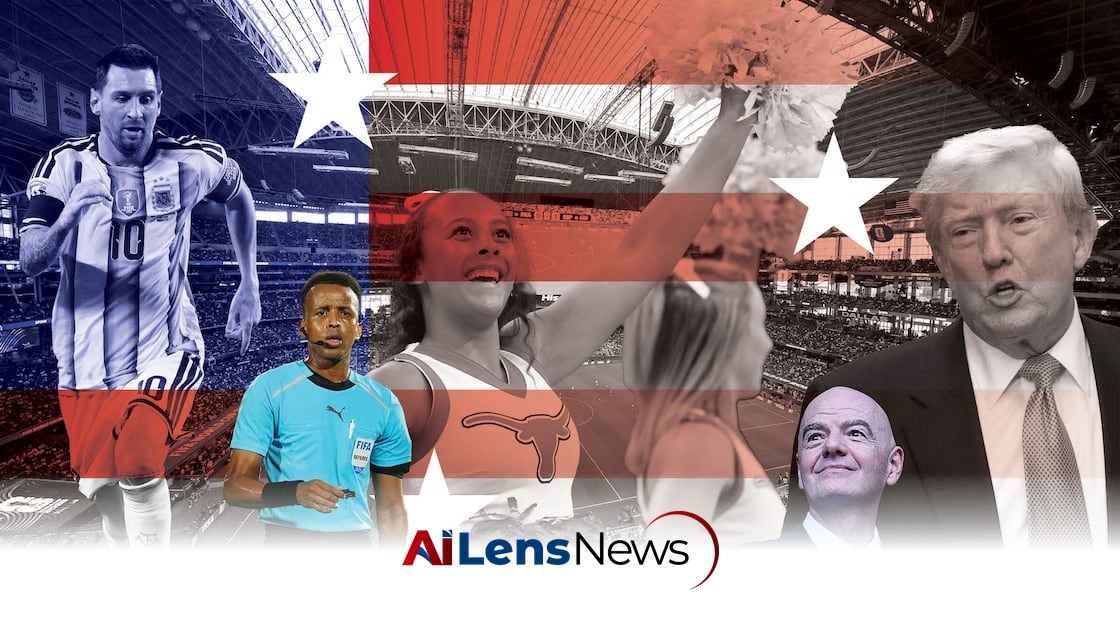


As the 2026 World Cup unfolds, fans grapple with rising ticket prices and commercialization, questioning the future of football's integrity amidst political influences.
Abu Dhabi, United Arab Emirates Jul 18, 2026 ALN: The commercialization of football, particularly in the context of the FIFA World Cup, has become a focal point of discussion among fans, analysts, and stakeholders alike. As the tournament evolves, particularly with the recent expansion to 48 teams for the 2026 World Cup, the balance between the sport's integrity and its commercial interests has been tested. The 2026 World Cup, hosted across the United States, Canada, and Mexico, has sparked debate on how commercialization impacts the experience of the tournament, both on and off the pitch.
The commercialization of sports is not a new phenomenon; it has been gradually evolving since the late 20th century. In football, this trend accelerated with the advent of satellite television and global broadcasting rights, which allowed leagues and tournaments to reach wider audiences and generate substantial revenue. Major sponsors began to see the potential for advertising and brand visibility on a global scale, leading to a significant influx of money into the sport. This financial windfall has transformed the landscape of football, influencing everything from player salaries to the infrastructure of clubs and tournaments.
In recent years, the football community has witnessed a shift in how the game is marketed and consumed. The rise of teams like Paris Saint-Germain (PSG), which has leveraged significant financial backing to secure top talent, exemplifies this trend. PSG's success on the field has shown that when football is played at a high level, it captivates audiences and drives engagement. The club's ability to attract star players, such as Lionel Messi, Neymar, and Kylian Mbappé, has not only elevated its profile but has also set a precedent for how clubs can operate in a commercialized environment. This influx of talent has raised questions about competitive balance, with critics arguing that financial disparities can lead to a lack of parity in leagues and tournaments.
The 2026 World Cup, which kicked off in Mexico City on June 11, has been marked by high-quality football, leading to a generally positive reception despite initial skepticism about its expansion. Many feared that increasing the number of participating teams would dilute the quality of play. However, the tournament has proven that a larger field can still yield competitive matches, as evidenced by Cape Verde's challenging encounters with football powerhouses like Spain and Argentina. The presence of elite players, including Harry Kane, Erling Haaland, and even a 39-year-old Messi, has further enriched the viewing experience, demonstrating that talent can shine through regardless of tournament format. This expansion also reflects FIFA's strategy to globalize the sport, allowing more nations to participate and engage with the footballing community.
As the World Cup approached, various logistical and political challenges arose, including the controversial exclusion of Somali referee Omar Artan and Iran's relocation of its base camp due to administrative hurdles. These issues highlighted the complexities of hosting an event of this magnitude across multiple nations, particularly in a politically charged environment. The concerns surrounding US President Donald Trump's potential interference in the tournament's proceedings added another layer of uncertainty. However, once the matches commenced, the excitement and camaraderie among fans appeared to overshadow these worries. The ability of football to unite people from diverse backgrounds was evident, as fans from various nations celebrated together, creating a vibrant atmosphere that transcended borders.
The opening ceremony and matches in major cities like Mexico City and Toronto showcased the vibrant atmosphere of the tournament. Fans from different nations celebrated together, creating a sense of unity that transcended borders. The spectacle of the opening match in Los Angeles, where the US team triumphed over Paraguay in a state-of-the-art stadium, further fueled enthusiasm for the tournament. Such moments reaffirmed the idea that football can bring people together, even amidst commercial pressures. The emotional highs and lows experienced by fans during the tournament serve as a reminder of the sport's power to evoke passion and loyalty, despite the commercial backdrop.
Despite the positive reception of the matches, the commercialization of the World Cup has not been without criticism. The introduction of hydration breaks and halftime entertainment, often viewed as an Americanization of the sport, has drawn mixed reactions from fans. While some appreciate the additional entertainment value, others feel that these elements detract from the purity of the game. The commercialization of these breaks has sparked debates about the integrity of the sport and whether it is being overly influenced by corporate interests. Critics argue that such changes could lead to a shift in focus from the game itself to a more entertainment-driven model, which could alienate traditional fans who value the sport's heritage.
Gianni Infantino, FIFA's president, has faced scrutiny for his close relationships with controversial political figures, including Donald Trump. The incident involving US striker Folarin Balogun's red card against Bosnia-Herzegovina exemplified the potential pitfalls of political interference in football. Infantino's willingness to engage with political leaders raises questions about FIFA's commitment to maintaining the integrity of the sport. The fact that a politician could directly influence a decision within FIFA's jurisdiction signals a troubling trend where commercial and political interests may compromise the sport's ethical standards. This intersection of politics and sports can lead to a loss of trust among fans, who may feel that the sport is being used as a platform for agendas that do not align with the values of fair play and competition.
As the tournament progresses, the implications of commercialization on the World Cup experience remain a critical area of inquiry. Stakeholders must grapple with the challenge of balancing the demands of a global audience with the need to preserve the authenticity of the game. The success of the 2026 World Cup may depend on finding this balance, ensuring that while the sport evolves and embraces new commercial opportunities, it does not lose sight of its core values. This includes maintaining the spirit of competition, fostering inclusivity, and promoting the idea that football is, at its heart, a game meant to be enjoyed by all.
Furthermore, the long-term effects of commercialization on fan engagement, player welfare, and the overall quality of football are yet to be fully understood. As leagues and tournaments continue to explore new revenue streams, such as broadcasting rights and sponsorship deals, the football community must remain vigilant to ensure that the essence of the sport is not overshadowed by financial motives. The World Cup, as the pinnacle of football, serves as a crucial battleground for these discussions, making it imperative for all involved to advocate for a future where the beautiful game remains true to its roots. This advocacy may require a reevaluation of how commercial partnerships are structured and how they align with the values of the sport.
In conclusion, the impact of commercialization on the World Cup experience is a multifaceted issue that requires careful consideration. While the excitement of high-caliber football can overshadow some of the concerns related to commercialization, it is essential to address these challenges proactively. As the tournament unfolds, it will be crucial to monitor how these dynamics evolve and what they mean for the future of football on a global scale. The ongoing dialogue surrounding commercialization will likely shape the future direction of the sport, influencing everything from grassroots development to international competitions. It is essential for the football community to engage in this conversation, ensuring that the sport remains accessible, competitive, and true to its heritage.
To learn more about the latest developments in Basketball, stay updated with our exclusive reports and analyses on AiLensNews.

