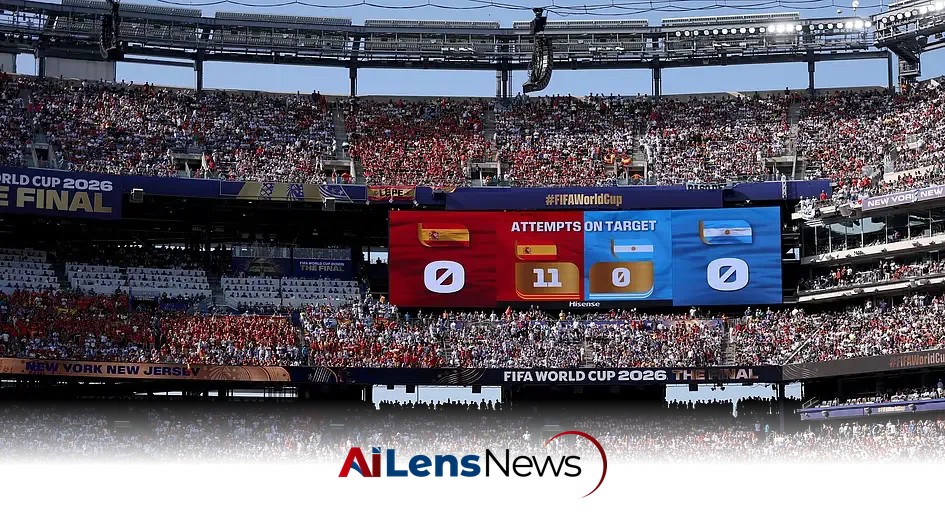
The FIFA World Cup 2026 has ignited global debates and controversies, with incidents that have captured attention beyond the football field.
Abu Dhabi, United Arab Emirates Jul 21, 2026 ALN: The FIFA World Cup 2026 is poised to be one of the most significant events in the history of football, not only due to the scale of the tournament but also because of the myriad controversies that have emerged surrounding it. The World Cup, which will be co-hosted by the United States, Canada, and Mexico, has ignited discussions that extend far beyond the pitch, touching on political, social, and cultural issues. As the tournament approaches, the controversies surrounding it have become a focal point for fans, analysts, and commentators alike.
Key Controversies
- Trump's Red Card U-Turn: Former President Donald Trump's remarks regarding the World Cup have stirred political discussions that intersect with sports. His comments, which seemed to shift in tone over time, have drawn attention not only for their content but also for the implications they have on the intersection of politics and sports. Trump's past involvement in sports, including his ownership of a professional football team, adds layers to the scrutiny of his statements. This situation raises questions about how political figures can influence public perception of sporting events and the potential ramifications for the sport's image in the United States.
- Disallowed Goals: The tournament has already seen several goals ruled out by officials, leading to intense debates over the standards of officiating. Disallowed goals can dramatically alter the outcome of matches, and fans often express frustration when they believe a goal should have counted. This has reignited discussions about the consistency and transparency of officiating in football. The emotional investment of fans in these moments highlights the delicate balance that referees must maintain between enforcing the rules and allowing the game to flow.
- VAR Decisions: The Video Assistant Referee (VAR) system, designed to provide support to on-field officials, has faced significant scrutiny during the tournament. Critics argue that VAR has not lived up to its promise of clarity and fairness, with many questioning its effectiveness in critical match situations. Instances where VAR has overturned decisions or taken an excessive amount of time to reach conclusions have led to frustration among players and fans alike. The ongoing debate about VAR reflects broader concerns about technology's role in sports and whether it enhances or detracts from the human element of the game.
- Fan Reactions: Social media platforms have become a battleground for fan reactions, showcasing a mix of outrage, humor, and creativity. Memes, tweets, and posts have flooded timelines, with fans expressing their opinions on everything from officiating decisions to player performances. This digital engagement highlights the evolving nature of sports fandom in the age of social media, where immediate reactions can shape narratives and influence public perception. The intensity of fan reactions also underscores the passion that football ignites across the globe.
- Player Conduct: Incidents involving player behavior have also drawn attention during the tournament, raising questions about sportsmanship and the spirit of the game. From on-field altercations to controversial celebrations, the conduct of players can significantly impact the atmosphere of matches and the perceptions of fans. Discussions surrounding player conduct often intersect with broader societal issues, including the expectations placed on athletes as role models and the pressures they face both on and off the field.
- Stadium Atmosphere: The atmosphere in stadiums has been a topic of discussion, with some fans expressing dissatisfaction with their experiences. Reports of overcrowding, inadequate facilities, and poor organization have surfaced, raising concerns about the overall enjoyment of the event. The World Cup is not just about the matches; it is also about the experience of attending a global sporting event. Ensuring that fans have a positive experience is crucial for the reputation of the tournament and the host countries.
- Ticketing Issues: Compounding the frustrations of fans, reports of ticketing problems have emerged, causing significant distress among supporters eager to attend matches. Issues such as inflated prices, difficulty in securing tickets, and the potential for scams have led to widespread dissatisfaction. The ticketing process for major sporting events is often fraught with challenges, but the World Cup's global nature adds complexity to the situation. Fans' ability to access tickets can significantly influence their overall experience and perception of the tournament.
- Media Coverage: The way media outlets have covered the controversies surrounding the World Cup has also been a point of contention. Different outlets may emphasize various aspects of the controversies, leading to divergent narratives. The role of the media in shaping public opinion cannot be understated, and the coverage of the World Cup reflects broader trends in sports journalism, including the balance between sensationalism and responsible reporting. As media scrutiny intensifies, the implications for players, teams, and the governing bodies of football become increasingly pronounced.
- Global Impact: The controversies surrounding the World Cup have sparked conversations about the sport's influence on culture and society at large. Football is often described as a universal language, and the World Cup serves as a platform for addressing global issues such as nationalism, racism, and inequality. The discussions that arise during the tournament can lead to greater awareness and understanding of these issues, showcasing the potential of sports to drive social change. As the tournament unfolds, the implications of these controversies will likely reverberate beyond the football pitch, influencing discussions in various spheres of society.
As the tournament progresses, it remains to be seen how these controversies will unfold and what impact they will have on the future of football. The FIFA World Cup 2026 is not just a celebration of sport; it is a complex event that encapsulates a range of societal issues and human emotions. The reactions of fans, players, and officials will shape the narrative of the tournament, and the lessons learned from these controversies may have lasting implications for the sport in the years to come.