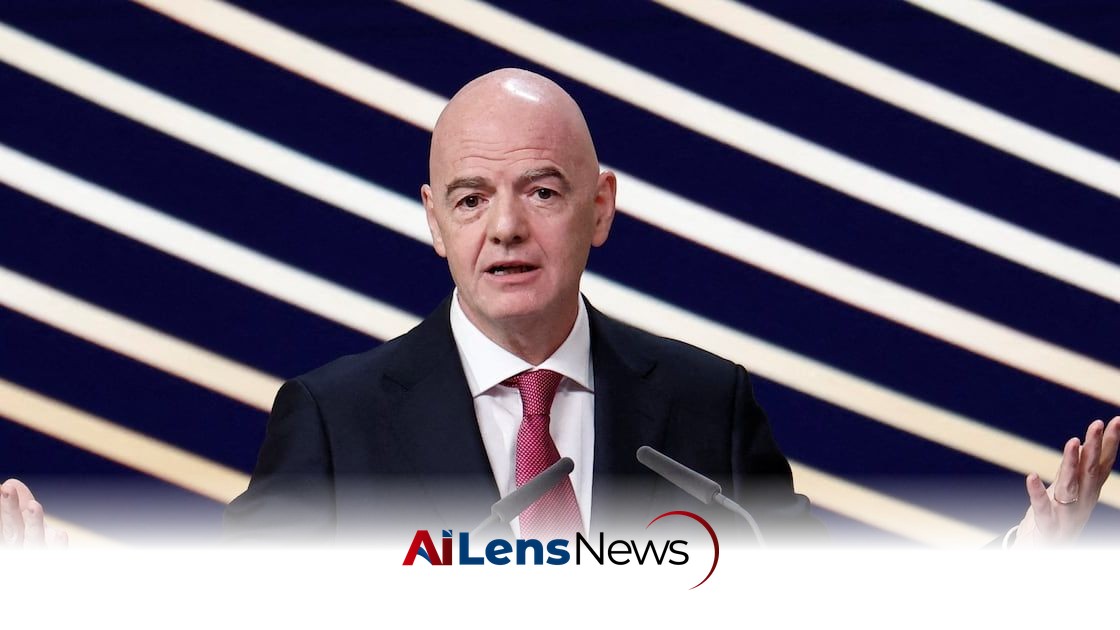


FIFA's plan to attract private investment for the World Cup has sparked criticism from UEFA and UK officials, raising concerns about the future of football.
Abu Dhabi, United Arab Emirates Jul 30, 2026 ALN: FIFA stunned world football on Tuesday night when it announced bombshell plans to seek private investment in the World Cup and its other tournaments. This unprecedented move has sparked a whirlwind of reactions from various stakeholders in the football community, including players, clubs, and national associations, who are grappling with the potential implications of such a significant shift in the governance and financial structure of the sport.
The move would have profound long-term consequences for world football. So, what is FIFA's plan? What has been the reaction, and will it succeed? These questions are at the forefront of discussions among football analysts, fans, and industry experts.
FIFA wants to create a new company called FIFA Forward Enterprises (FFE) that will be responsible for its major events, including the World Cup and Club World Cup. This initiative marks a significant departure from FIFA's traditional funding model, which has primarily relied on revenue generated from broadcasting rights, sponsorships, and ticket sales.
The idea is to sell 21 percent of FFE to private investors and bring in $4.2 billion. This influx of capital would be immediately distributed to FIFA's members through the Fast-Forward Programme, which aims to enhance the financial support available to national football associations.
The programme promises even more funding down the line, as each member will get a grant of $20 million, up from $8 million, in the next four-year cycle. That will rise to $22 million per nation for 2031-34 and $24 million for 2035-38. This progressive increase in financial support is designed to foster the growth of football at all levels and in all regions, particularly in developing nations where resources are often limited.
FIFA says it will retain 51 percent of FFE, with what's left being split among its 211 member associations. Each member's stake in FFE is valued at around $20 million, and members could decide if they want to sell their share. In theory, you could get to a point where FIFA owns 51 percent of its competitions and 49 percent is in the hands of private investors. This potential shift in ownership dynamics raises questions about the influence of private interests in the governance of football.
FIFA president Gianni Infantino has articulated his vision for the future of football, stating that it is his responsibility to continue growing the sport around the world by maximizing its commercial value and reinvesting through its member associations. Infantino's approach reflects a broader trend in sports management, where organizations seek to leverage commercial opportunities to fund grassroots initiatives and promote the game globally.
“Football is the world's most popular sport and an extraordinary engine of human and social development,” Infantino said in a statement. He emphasizes the importance of ensuring that the financial success of major tournaments translates into tangible benefits for the wider football community.
“Parts of the game have turned that popularity into remarkable commercial value – and we celebrate that success and want it to continue, because it lifts the whole game. Our job is to make sure the rest of football grows with it: FIFA exists to support sustainable, inclusive development in every corner of the world.”
As a non-profit organization, FIFA enjoys tax-free status in Switzerland. It is one of the world's wealthiest sporting bodies, generating billions of dollars in revenue, largely from broadcasting rights, sponsorship, and other commercial deals linked to the World Cup. The organization's financial clout has allowed it to invest in various initiatives aimed at promoting football development across the globe.
Even without external investment, FIFA is making record sums of money. The four-year cycle that finished with this summer’s expanded World Cup and included last summer’s Club World Cup is expected to bring in $15 billion (£11.3 billion), doubling the total from the previous cycle. This financial success underscores FIFA's ability to capitalize on the growing global interest in football, but it also raises questions about the need for private investment if the organization is already achieving significant revenues.
This is all the work of Infantino. The cynical view is that by increasing the amount of cash going to the members, Infantino is cementing his own position in charge of world football. Critics argue that the plan could be perceived as a strategy to buy influence and loyalty from member associations, ensuring that his leadership remains unchallenged.
Infantino is expected to be re-elected unopposed as president next year, but under FIFA statutes must stand down in 2031 after serving three full terms. His tenure has been marked by significant controversies, including the awarding of World Cups to Qatar and Russia, which have drawn criticism for various reasons, including human rights concerns and allegations of corruption.
The Times has claimed it will be Infantino himself who will run FFE, and he will earn a similar salary to the NFL commissioner Roger Goodell, who was paid $64 million (£48 million) in 2021, the last year his earnings were made public. That is around 10 times more than Infantino's current earnings. This potential salary increase has raised eyebrows and sparked debates about the appropriateness of such compensation in a non-profit organization.
The announcement has elicited mixed reactions from various stakeholders within the football community. Some national associations have expressed cautious optimism, viewing the influx of funds as a potential boon for grassroots development and infrastructure improvements. Others, however, have raised concerns about the implications of private investment, fearing that it could lead to a loss of control over the sport and prioritize profit over the integrity of the game.
Players' unions have also voiced their apprehensions, emphasizing the need for transparency and accountability in the management of funds generated from private investments. They argue that any financial benefits should directly contribute to improving player welfare, enhancing facilities, and promoting youth development programs.
Moreover, fans have taken to social media to express their opinions, with some supporting the idea of increased funding for their clubs and national teams, while others worry that the commercialization of football could dilute its essence and lead to a focus on profit margins rather than sporting values.
The implications of FIFA's move to seek private investment are far-reaching and could reshape the landscape of global football. If successful, the initiative could lead to a significant increase in funding for national associations, enabling them to invest in infrastructure, youth development, and grassroots programs. This could potentially enhance the competitiveness of teams from less affluent regions, promoting a more equitable playing field.
However, the introduction of private investors could also raise ethical questions about the influence of commercial interests on the governance of football. The balance between profit and the sport's integrity will be a delicate one to navigate, and FIFA will need to establish clear guidelines to ensure that the interests of the game remain paramount.
Furthermore, the potential for increased financial disparities between clubs and associations that can attract private investment and those that cannot may exacerbate existing inequalities in the sport. This could lead to a two-tier system, where wealthier clubs and nations enjoy significant advantages over their less fortunate counterparts, undermining the competitive spirit that is central to football.
As FIFA embarks on this ambitious plan, the football world will be watching closely to see how it unfolds. The decisions made in the coming months could have lasting repercussions for the governance and financial structure of the sport, influencing the future of football for generations to come.
To learn more about the latest developments in Golf, stay updated with our exclusive reports and analyses on AiLensNews.

