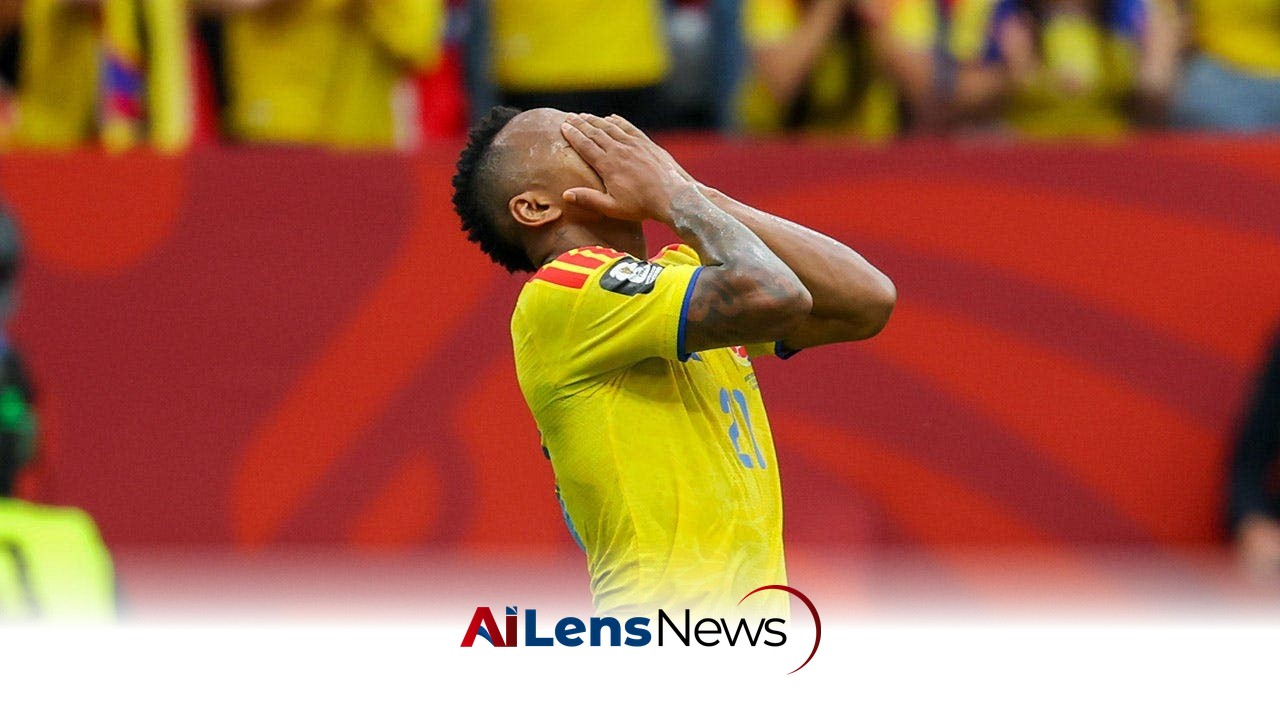


The Colombian Soccer Federation has condemned death threats against midfielder Jaminton Campaz after a missed opportunity led to the team's World Cup exit.
Washington DC, United States Jul 11, 2026 ALN: The Colombian Soccer Federation has taken a firm stance against the death threats directed at midfielder Jaminton Campaz following a missed scoring opportunity that contributed to the team's exit from the World Cup. This incident has drawn parallels to the tragic murder of Andres Escobar in 1994, who was killed after an own goal during the World Cup. The threats against Campaz highlight ongoing issues of violence and aggression in sports, particularly in countries where football is a central part of national identity.
In a recent Round of 16 match against Switzerland, Campaz missed a crucial chance during extra time. This miss was pivotal, as it led to a penalty shootout that ultimately resulted in Colombia's elimination from the tournament. Such high-stakes moments in football often lead to intense scrutiny and criticism from fans and the media, but the nature of the responses can sometimes escalate into unacceptable territory. Following the match, Campaz's social media accounts were inundated with negative comments and threats, prompting him to limit comments and avoid traveling home with his teammates. This reaction is not uncommon in the world of sports, where players often face backlash after disappointing performances, but the severity of the threats directed at Campaz raises serious concerns about the safety and mental well-being of athletes.
The Colombian Soccer Federation expressed its solidarity with Campaz and his family, stating, "No athlete, nor any member of their camp, should be subjected to intimidation for representing their country in a sporting context." This strong statement reflects a growing recognition within sports organizations of the need to protect players from harassment and threats. The federation called on the Attorney General’s Office to swiftly investigate the threats and hold those responsible accountable. By taking this stance, the federation aims to send a clear message that such behavior will not be tolerated and that athletes deserve to compete without fear of retribution or violence.
The federation emphasized that football should be a platform for unity and respect, urging fans to refrain from translating sporting disappointments into real-world aggression. "Football must be a space for unity, respect, and hope — never a setting for hatred, intimidation, or violence," they stated. This call for unity is particularly important in a country like Colombia, where football has the power to bring people together but can also exacerbate divisions and tensions among fans. The federation's emphasis on respect and understanding is a crucial step toward fostering a healthier sporting culture.
In response to the backlash, Campaz shared a poignant message on Instagram, expressing his frustration and urging for respect among fans. He wrote, "Football is also made up of difficult moments. My Colombia, please let us never lose sight of respect. We may think differently or feel frustration and sadness, but no passion justifies hatred or living in fear." This heartfelt plea resonates deeply, not only with the current situation but also with the broader context of sportsmanship and the emotional investment fans have in their teams. Campaz's words serve as a reminder that athletes are human beings who experience the same emotions as their supporters, and they should be treated with dignity and respect regardless of the outcomes of their performances.
This incident is particularly sensitive given the history of violence associated with Colombian soccer. The tragic murder of Andres Escobar in 1994, shortly after Colombia's loss to the United States in the World Cup, remains a dark chapter in the sport's history. Escobar was shot in Medellín, and his death was widely attributed to his own goal during that match, which led to Colombia's early exit from the tournament. This event shocked the nation and highlighted the extreme pressures and dangers faced by athletes in high-stakes situations. The legacy of Escobar's death continues to influence discussions about player safety and the responsibilities of fans, media, and sports organizations in creating a supportive environment for athletes.
The Colombian Soccer Federation has urged the attorney general's office to expedite the investigation into the threats against Campaz. As the soccer community rallies around the player, the hope is to foster a culture of respect and support for athletes representing their country. This incident serves as an opportunity for reflection and change within the sporting community, prompting discussions about the need for better mental health support for players and the importance of promoting positive fan behavior.
As the World Cup progresses, the focus now shifts to the upcoming matches, with Switzerland set to face Argentina for a spot in the semifinals. However, the conversation surrounding Campaz's experience and the threats he faced will likely continue to resonate throughout the tournament. It underscores the urgent need for collective action against violence in sports and the responsibility of fans to engage in respectful discourse, recognizing that athletes are not just figures on a screen but individuals who dedicate their lives to their craft.
The rise of social media has transformed the way fans interact with their favorite athletes and teams. While it provides a platform for positive engagement, it also opens the door to negative behavior, including harassment and threats. Athletes like Campaz are increasingly subjected to online abuse, which can have severe implications for their mental health and overall well-being. The anonymity afforded by social media often emboldens individuals to express hateful sentiments that they might not convey in person, leading to a toxic environment for players who are already under immense pressure to perform.
This situation brings to light the critical need for sports organizations to implement robust mental health support systems for athletes. The physical demands of professional sports are well recognized, but the psychological pressures can be equally, if not more, taxing. As athletes face not only the pressure of competition but also the threat of online harassment, there is a growing call for federations to prioritize mental health resources. This includes providing access to counseling, developing coping strategies, and fostering an environment where players feel safe to express their emotions and seek help when needed.
The role of the fan community cannot be overlooked in this discussion. Fans are an integral part of the sporting experience, and their passion can fuel the success of a team. However, with that passion comes a responsibility to engage in respectful behavior. The federation's call for unity and respect serves as a reminder that football is not just about winning or losing; it is about community, shared experiences, and mutual respect. Fans should be encouraged to channel their emotions in constructive ways, supporting their teams without resorting to threats or violence.
The threats against Campaz also reflect broader societal issues, including the normalization of violence and aggression in various aspects of life. In many cultures, sports can serve as a microcosm of societal values and attitudes. The way fans react to disappointment in sports can mirror how they handle frustration in everyday life. This incident serves as a stark reminder of the need for societal reflection on how we express disappointment and anger, and the importance of fostering a culture of respect and empathy.
As the world of football continues to evolve, the incidents surrounding athletes like Jaminton Campaz highlight the urgent need for change in how fans, media, and sports organizations interact with players. The Colombian Soccer Federation's call for an investigation into the threats is a crucial step towards ensuring player safety and well-being. Moving forward, it is essential for all stakeholders in the sports community to work together to create an environment where athletes can thrive without fear of violence or intimidation. Only through collective action and a commitment to respect can the spirit of the game be preserved, allowing football to remain a unifying force in society.
To learn more about the latest developments in Football (Soccer), stay updated with our exclusive reports and analyses on AiLensNews.

