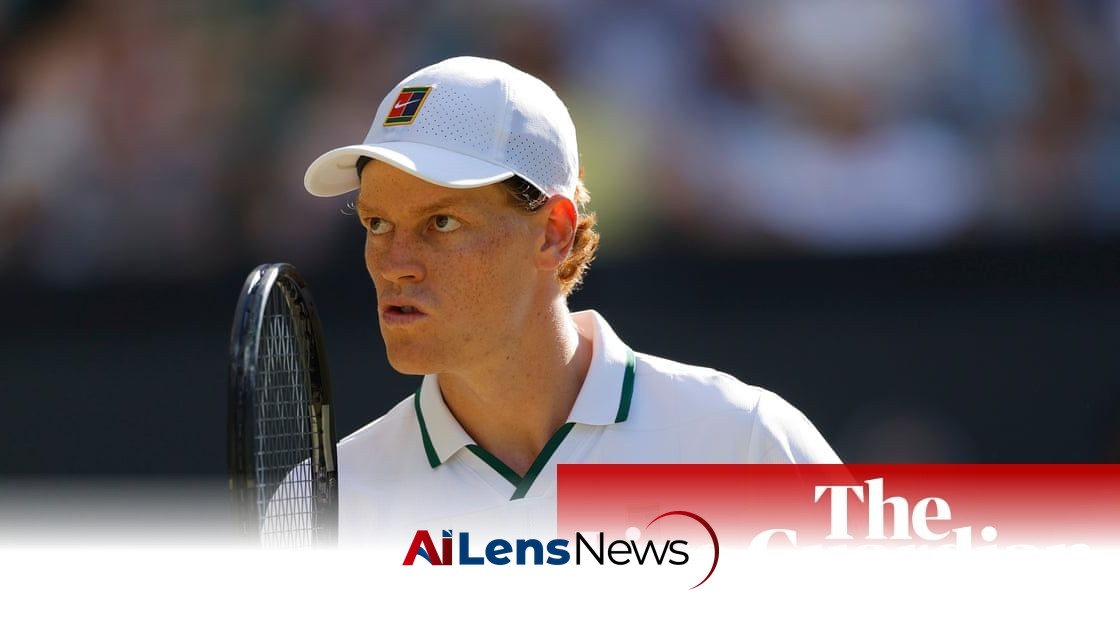


Jannik Sinner secured a thrilling victory against Alexander Zverev in the Wimbledon men's singles final, showcasing resilience and skill.
London, United Kingdom Jul 12, 2026 ALN: In a captivating showdown at Wimbledon, Jannik Sinner emerged victorious against Alexander Zverev in the men's singles final, securing his first Grand Slam title. The match, filled with tension and skill, saw Sinner rally from behind to clinch the championship in a hard-fought battle that lasted nearly three hours. This victory not only marks a personal achievement for Sinner but also signifies a potential shift in the landscape of men's tennis, as younger players continue to rise in prominence.
The final began with both players displaying their strengths, but it was Zverev who initially took control. The first set was a nail-biter, with Zverev edging out Sinner in a tiebreaker, showcasing his powerful serve and aggressive baseline play. Zverev, known for his imposing height and powerful groundstrokes, leveraged his serve to establish an early advantage. However, Sinner, ranked seventh, demonstrated remarkable composure and determination, bouncing back to take the second set in another tiebreak. This resilience is a hallmark of Sinner's playing style, which combines aggression with strategic shot placement.
As the match progressed, the intensity heightened, with both players exchanging powerful shots and tactical plays. Zverev's ability to dictate the pace of the game through his serve and forehand was evident, but Sinner's counterpunching and ability to absorb pressure kept him in contention. The first set showcased a series of long rallies, with both players testing each other's defensive skills. Zverev's early lead was a testament to his experience in high-stakes matches, but Sinner's youth and tenacity were on full display as he fought to stay in the match.
As the match progressed into the third set, Zverev appeared to struggle with a knee issue, which became a significant factor. Despite his physical challenges, he fought valiantly, but Sinner capitalized on the situation. With Zverev's serve noticeably affected, Sinner broke his opponent's serve at a crucial moment, taking a 5-3 lead in the third set. This moment was pivotal; it not only shifted the momentum in Sinner's favor but also highlighted the mental fortitude required to compete at such a high level. The ability to exploit an opponent's weakness is often what separates the great players from the good ones, and Sinner's performance exemplified this skill.
The resilience shown by Sinner in the face of adversity is noteworthy. Throughout the match, he maintained his focus and composure, traits that have become increasingly important in modern tennis. As players like Sinner emerge, it raises questions about how the mental aspect of the game is evolving. The ability to maintain concentration and adapt to changing circumstances is crucial for success, especially in Grand Slam finals where the pressure is immense.
Throughout the match, Sinner's ability to adapt and respond to Zverev's powerful shots was evident. He executed precise returns and demonstrated excellent court coverage, which ultimately led to his victory. Sinner's tactical adjustments during the match were crucial; he began to anticipate Zverev's shots more effectively, allowing him to position himself better for returns. This adaptability is a key trait for success in tennis, where conditions and opponent strategies can change rapidly. Sinner's strategic mindset, combined with his physical prowess, paints a promising picture for his future in the sport.
After the match, discussions arose regarding the current state of tennis and the equipment used by players. Some fans expressed a desire for a return to smaller rackets, arguing that it would enhance the precision and artistry of the game. Adrian Goldman, a tennis enthusiast, commented, "I think a return to smaller, less-sophisticated rackets would be the solution. Watching two large men sending booming top-spin forehands and backhands at each other for several hours is not tremendously interesting." This sentiment reflects a broader conversation about the evolution of tennis and its impact on gameplay. The debate over racket technology is not new; many have argued that advancements have led to a game that favors power over finesse. Critics of modern equipment believe that smaller rackets would encourage a greater variety of playing styles and strategies, potentially leading to more dynamic matches.
The implications of Sinner's victory extend beyond personal achievement. His win at Wimbledon places him among a select group of young players who are beginning to dominate the circuit, signaling a potential generational shift in men's tennis. The likes of Sinner, along with other young stars, are proving that they can compete with established players, which could lead to a more competitive and exciting era in the sport. Furthermore, Sinner's success may inspire a new wave of young athletes to pursue tennis, fostering growth in the sport at the grassroots level. The visibility of young champions can motivate aspiring players, encouraging them to take up the sport and strive for excellence.
Jannik Sinner's victory at Wimbledon marks a significant milestone in his career, establishing him as a formidable force in men's tennis. As he lifts the trophy, fans and analysts alike are left to ponder the future of the sport and the potential changes that could enhance the viewing experience. With his talent and determination, Sinner is poised for continued success on the ATP tour. His ability to perform under pressure and his strategic mindset will be critical as he navigates the challenges of defending his title and competing against other top players.
In the wake of his triumph, Sinner's next steps will be closely watched. Will he be able to maintain the momentum from his Grand Slam victory? How will he adapt to the increased expectations that come with being a champion? These questions will shape the narrative of his career moving forward. Additionally, the tennis community will be eager to see how he develops his game and whether he can continue to innovate and push the boundaries of his performance. The mental and physical demands of being a top player will require Sinner to continually evolve his training regimen, strategies, and match preparation.
As the tennis season progresses, the implications of this match will resonate throughout the sport. Sinner's win could influence how players approach their training and match strategies, particularly in high-stakes situations. The dynamics of the ATP tour may shift as younger players like Sinner challenge the status quo, creating a more vibrant and competitive environment for both players and fans alike. The excitement surrounding Sinner's victory is not just about a single match; it represents a broader evolution in the sport, one that promises to keep fans engaged and invested in the future of tennis.
Looking ahead, the tennis world will be watching closely to see how Sinner handles the pressures of being a newly crowned champion. The expectations that come with a Grand Slam title can be immense, and history shows that not all players manage to sustain their success after such a breakthrough. However, if Sinner can maintain his focus and continue to refine his game, he could very well become a defining player of his generation, inspiring others to follow in his footsteps.
To learn more about the latest developments in Tennis, stay updated with our exclusive reports and analyses on AiLensNews.

