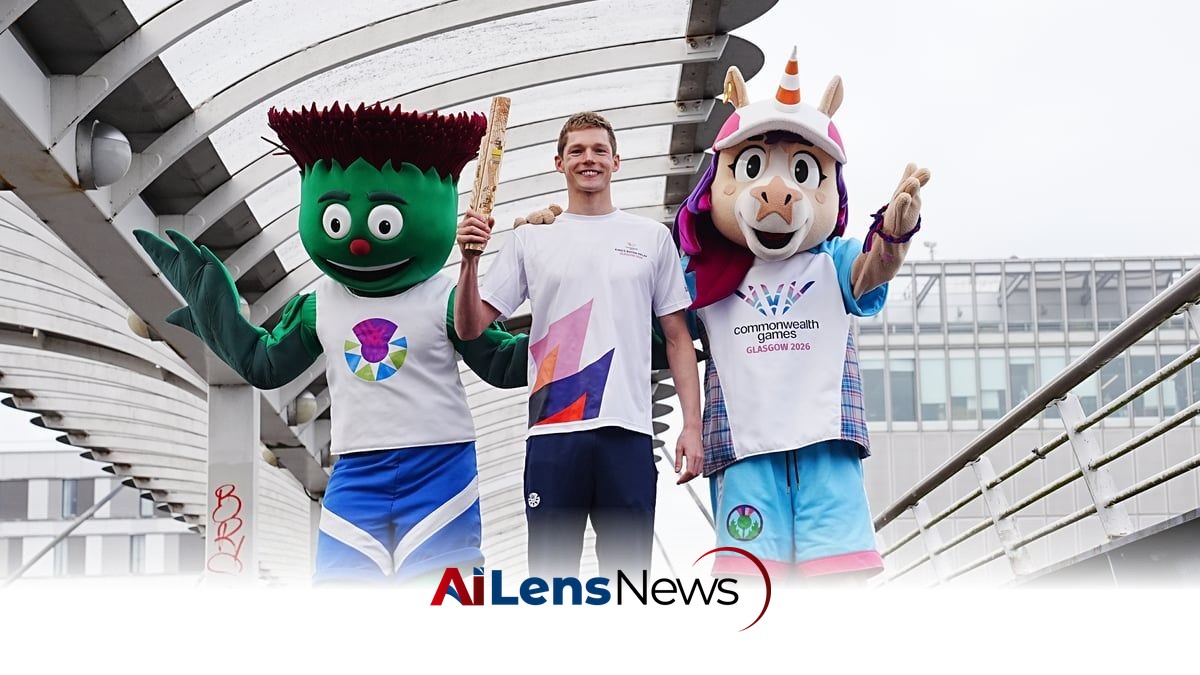


Despite lower ticket sales compared to 2014, Glasgow 2026's chief executive remains optimistic about the upcoming Commonwealth Games, highlighting a positive buzz around the event.
London, United Kingdom Jul 12, 2026 ALN: As Glasgow gears up for the 2026 Commonwealth Games, the atmosphere is markedly different from the excitement that surrounded the 2014 event. While ticket sales have not reached anticipated levels, Glasgow 2026's chief executive remains optimistic about the upcoming games, emphasizing a unique and vibrant spirit surrounding the event.
The 2014 Commonwealth Games in Glasgow were celebrated as a resounding success, drawing large crowds and generating significant enthusiasm. The event not only showcased athletic prowess but also highlighted the city’s capacity to host large-scale international sporting events. The games were marked by a sense of community pride and participation, with local residents actively engaging in various events. In contrast, the current ticket sales figures suggest a more subdued interest, raising concerns among organizers and stakeholders. However, the chief executive insists that the excitement is still palpable, with many community members and athletes expressing eagerness for the games.
To understand the current ticket sales situation, it is essential to consider several factors that may be influencing public interest. The lingering effects of the global pandemic, which has impacted travel and large gatherings, cannot be overlooked. Many potential attendees may still be hesitant to commit to attending large events, even as restrictions have eased. Additionally, the economic climate, characterized by rising costs and inflation, may be affecting disposable income, leading to more cautious spending on entertainment and leisure activities.
One of the key focuses for the Glasgow 2026 team has been fostering community engagement. Initiatives aimed at involving local residents and schools have been launched, aiming to create a sense of ownership and pride in the games. This grassroots approach is seen as essential for building momentum as the event approaches. The Glasgow 2026 team recognizes that the success of the games is not solely dependent on ticket sales but also on the involvement and enthusiasm of the local community.
These initiatives are not just about promoting the games but also about fostering a culture of sport and wellness within the community. By engaging schools and local organizations, the Glasgow 2026 team is laying the groundwork for a legacy that extends beyond the event itself. The hope is that by instilling a sense of pride and ownership in the games, local residents will be more inclined to participate, whether by attending events, volunteering, or simply supporting athletes.
Despite the challenges, the Glasgow 2026 team is committed to delivering a “brilliantly different” Commonwealth Games experience. Plans are in place to enhance the overall atmosphere, ensuring that attendees enjoy a memorable event. This includes not only the sporting competitions but also cultural events, entertainment, and community celebrations that reflect Glasgow's rich heritage and diversity.
The chief executive believes that once the games commence, the excitement will resonate throughout Glasgow and beyond. The team is working diligently to create an inclusive environment that encourages participation from all segments of society, regardless of age or background. This commitment to inclusivity is particularly important in a post-pandemic world, where many individuals may feel disconnected or hesitant to engage.
Furthermore, the Glasgow 2026 team is exploring partnerships with local businesses and organizations to create a vibrant atmosphere during the games. This includes promoting local cuisine, arts, and crafts, which can enhance the overall experience for visitors and showcase the city's unique character. By integrating local culture into the games, the organizers aim to create a more enriching experience for attendees, fostering a sense of connection to the host city.
As Glasgow prepares for the Commonwealth Games, the focus remains on community involvement and creating a vibrant atmosphere. While ticket sales may not reflect the enthusiasm seen in previous years, the commitment to a successful event remains strong. The Glasgow 2026 team is determined to showcase the city’s spirit and the unique character of this year’s games.
The implications of this event extend beyond just the immediate economic impact. The Commonwealth Games present an opportunity for Glasgow to reaffirm its position as a premier destination for international sporting events. Success in 2026 could pave the way for future events and investments in the city, contributing to long-term growth and development.
Moreover, the focus on community engagement and inclusivity can serve as a model for other cities hosting major events. By prioritizing local involvement, Glasgow can demonstrate that large-scale events can be both celebratory and community-oriented, fostering a sense of belonging and pride among residents. This dual focus on celebration and community engagement may be the key to turning around the current ticket sales trends and ensuring that the 2026 Commonwealth Games are remembered as a landmark event in Glasgow's history.
The Commonwealth Games, often referred to as the Friendly Games, are an international multi-sport event involving athletes from the Commonwealth of Nations. The first edition was held in 1930 in Hamilton, Canada, and since then, the games have evolved significantly, showcasing not only sporting excellence but also cultural exchange among member nations.
Glasgow's hosting of the Commonwealth Games in 2014 was a pivotal moment for the city, which had previously hosted the event in 1970 and 1986. The 2014 games were marked by a spirit of inclusivity and celebration, with over 4,500 athletes from 71 nations participating. The event was credited with boosting tourism, enhancing the city’s international profile, and leaving a lasting legacy in terms of infrastructure and community engagement.
As Glasgow prepares for the 2026 Commonwealth Games, it faces a unique set of challenges. The impact of the COVID-19 pandemic has altered the landscape of public gatherings and sporting events. Many people are still navigating the uncertainties of travel and large crowds, which could influence attendance and participation rates. Economic factors, including inflation and the rising cost of living, may also deter potential attendees from purchasing tickets or traveling to the event.
However, these challenges also present opportunities for innovation and growth. The Glasgow 2026 team is exploring digital engagement strategies to reach audiences who may be hesitant to attend in person. This includes live streaming events, virtual fan experiences, and interactive online platforms that allow fans to engage with the games from the comfort of their homes.
Furthermore, the emphasis on community engagement and local involvement can serve as a catalyst for revitalizing interest and enthusiasm. By fostering a sense of ownership among residents and encouraging local businesses to participate, the Glasgow 2026 team aims to create a grassroots movement that can enhance ticket sales and attendance.
In conclusion, as Glasgow prepares for the Commonwealth Games in 2026, the city stands at a crossroads. The challenges posed by ticket sales and public interest must be met with innovative solutions and a renewed focus on community engagement. The lessons learned from previous games, combined with a commitment to inclusivity and local involvement, can help ensure that the 2026 Commonwealth Games are not only a sporting success but also a celebration of Glasgow's rich culture and community spirit. The hope is that this event will inspire future generations to participate in sports and foster a lasting legacy that extends well beyond the closing ceremony.
To learn more about the latest developments in Global Tournaments & Olympics, stay updated with our exclusive reports and analyses on AiLensNews.

