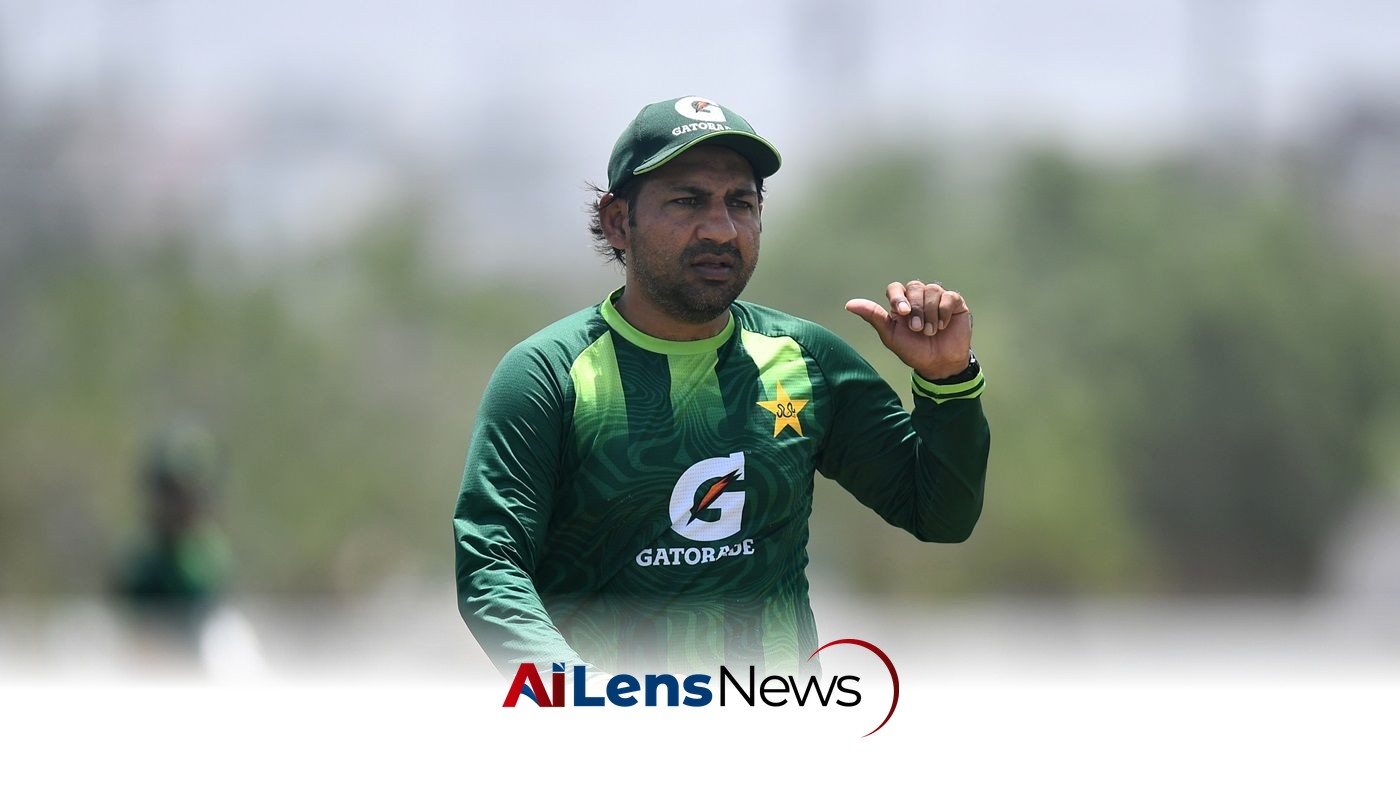


Sarfaraz Ahmed believes that Masood will excel in his new role as a player following his captaincy.
New Delhi, India Jul 12, 2026 ALN: Sarfaraz Ahmed has voiced his support for Shan Masood as he transitions from captain to player. Ahmed emphasized that Masood's contributions as a captain will continue to shine through in his new role. This shift comes at a critical juncture for the team, as they prepare for a series of competitive matches that will test their skills and cohesion.
In a recent statement, Ahmed remarked, "The way he contributed as captain, he will now contribute as player too." This reflects Ahmed's belief in Masood's capabilities and adaptability on the field. The transition from captain to player is significant, as it often requires an individual to recalibrate their focus and responsibilities. Captaincy involves not only leading the team but also making strategic decisions that can affect the course of a game. By stepping back into a player role, Masood can concentrate on honing his skills and contributing directly to the team's performance without the added pressures of leadership.
Masood has been a pivotal figure in the team, and his leadership qualities are expected to translate into his performance as a player. His experience as captain has provided him with insights into the game that can enhance his performance on the field. The change in role is seen as an opportunity for Masood to focus on his individual game while still influencing the team positively. Players who have previously held leadership roles often bring a unique perspective to their gameplay, understanding not just their own responsibilities but also how to support and elevate their teammates.
As the team prepares for upcoming matches, the support from fellow players like Sarfaraz is crucial. This camaraderie is essential for building a strong team dynamic, especially during transitions. The bond between players can significantly impact performance, as a supportive environment fosters confidence and collaboration. Masood's transition may also serve as a learning opportunity for younger players in the squad, illustrating how to adapt to changing circumstances and roles within the team.
The upcoming matches present a unique set of challenges and opportunities for the team. With the pressure to perform and secure victories, the players will need to rely on each other's strengths. The shift in Masood's role could potentially lead to a more focused performance, allowing him to leverage his skills without the burden of captaincy. It is not uncommon for players to thrive after stepping down from leadership positions, as they can redirect their energy toward personal performance.
In conclusion, Sarfaraz's confidence in Masood highlights the importance of teamwork and the ability to adapt to new roles within the sport. Fans and teammates alike are eager to see how Masood will leverage his experience as he steps back into the player role. The anticipation surrounding his performance is palpable, as supporters hope to witness the impact of his leadership experience on the field. The ability to transition smoothly between roles is a valuable skill in professional sports, and Masood's journey will be closely monitored by analysts and fans alike.
Moreover, the implications of this transition extend beyond just the individual. The team's overall strategy may evolve as they adapt to the new dynamics introduced by Masood's change in role. Coaches may need to reassess their game plans, taking into account not only Masood's strengths as a player but also how his previous experience as a captain can be utilized in a different capacity. This could lead to innovative strategies that capitalize on the collective strengths of the team.
In the context of international , such transitions are not uncommon. Many successful players have experienced shifts in their roles as they progress through their careers. These changes often reflect a broader strategy within the team management aimed at optimizing performance. Masood's transition could serve as a case study for future players facing similar circumstances, showcasing how adaptability and resilience can lead to continued success.
Furthermore, the psychological aspect of such transitions cannot be overlooked. Players often face a range of emotions when moving away from leadership roles. They may experience a sense of loss or uncertainty about their place within the team. However, with the support of teammates like Sarfaraz, players can navigate these feelings more effectively, fostering a positive environment that encourages growth and development.
As the team approaches its upcoming fixtures, the focus will be on how well they can integrate Masood back into the squad as a player. The synergy between players, particularly those who have previously held leadership positions, will be crucial in ensuring that the transition is seamless. The coaching staff will likely play a pivotal role in facilitating this integration, providing guidance and support to help Masood and his teammates adjust to their new dynamics.
In summary, Sarfaraz Ahmed's endorsement of Shan Masood during this pivotal transition underscores the importance of adaptability and teamwork in . As Masood steps back into the player role, both he and the team will need to embrace the changes and challenges ahead. The journey will not only test their skills but also their ability to support one another, fostering a cohesive unit that can rise to the occasion in the face of competition. Fans eagerly await the unfolding of this new chapter in Masood's career, hopeful that his experience will lead to significant contributions on the field.
Additionally, this transition may also prompt discussions about the future of leadership within the team. As Masood adapts to his new role, it raises questions about who will take on the captaincy in the future. The decision-making process regarding leadership roles is critical for the long-term success of the team. The management may consider various factors, including player performance, team chemistry, and the ability to inspire others when selecting future leaders.
Moreover, the role of analytics in modern cannot be overlooked. As teams increasingly rely on data to inform their strategies, Masood's insights from his time as captain could provide valuable information for the coaching staff and analysts. His understanding of opponents, pitch conditions, and game situations can enhance the team's preparation and execution during matches.
In the broader context of , Masood's transition mirrors the evolving nature of the sport itself. As players become more specialized, the ability to adapt to varying roles within a team becomes essential. This evolution has been seen in various formats of the game, from Test matches to T20s, where players are often required to switch between different responsibilities based on the needs of the team.
Furthermore, the support from fans and the media will play a significant role in how Masood navigates this transition. Public perception can heavily influence a player's confidence and performance. Positive reinforcement from fans and constructive feedback from the media can help Masood settle into his new role more comfortably, allowing him to focus on his game without the added pressure of public scrutiny.
As the team embarks on this new chapter, the collective mindset will be crucial. Emphasizing a culture of support and resilience can foster an environment where players feel empowered to take risks and express themselves on the field. This is particularly important for Masood, who may need to rediscover his rhythm as a player after stepping down from captaincy.
Ultimately, Shan Masood's transition from captain to player is not just a change in title; it represents a broader narrative about growth and adaptability in sports. It serves as a reminder that while leadership is vital, the ability to contribute meaningfully as a team member is equally important. As the team moves forward, the hope is that Masood's experience will not only enhance his own performance but also uplift the entire squad, leading them to success in their upcoming competitions.
To learn more about the latest developments in Cricket, stay updated with our exclusive reports and analyses on AiLensNews.

