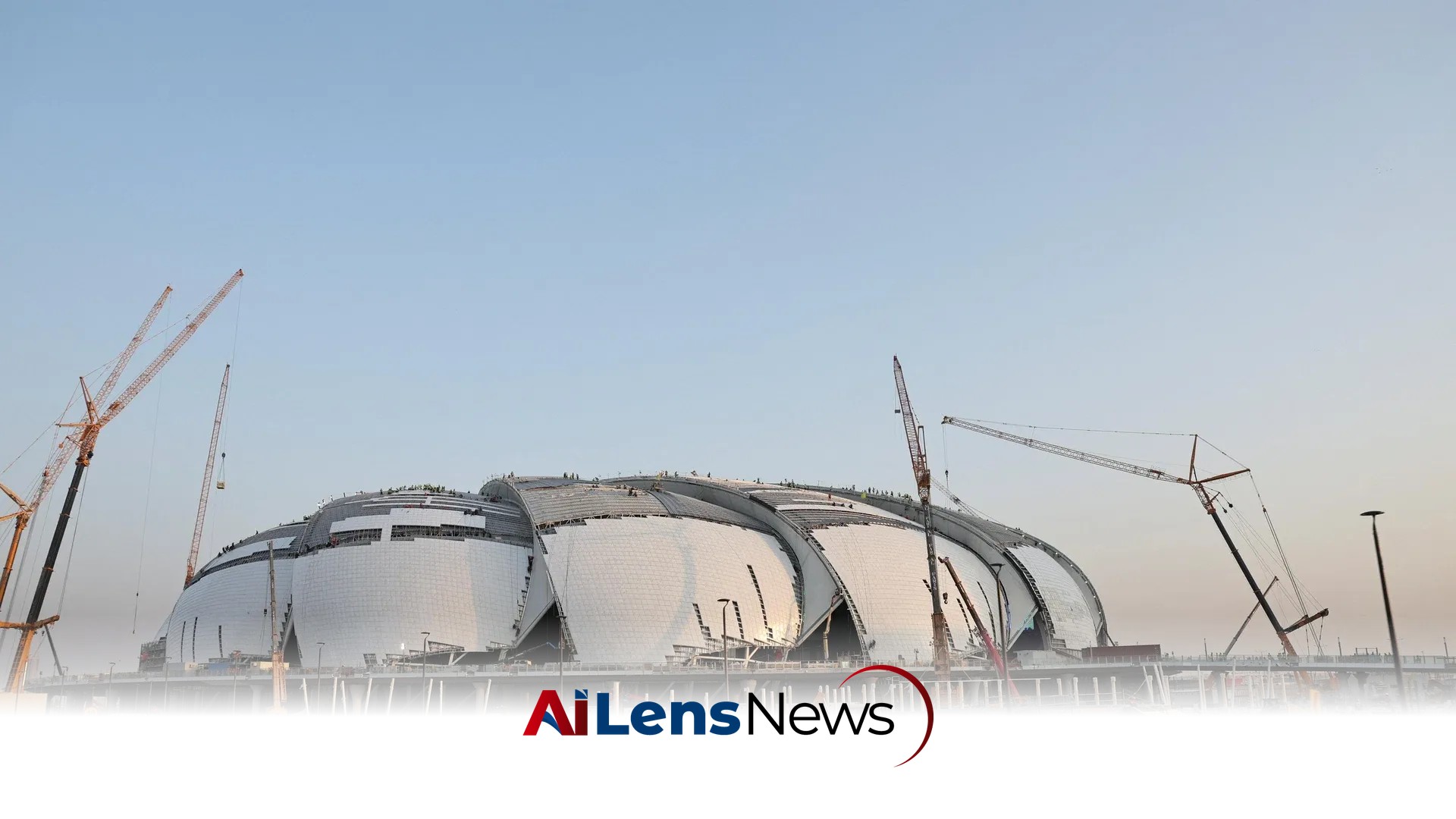


Saudi Arabia's ROSHN Group is actively seeking investors for the Aramco Stadium, a key venue for the 2034 FIFA World Cup, as it aims to secure funding for its ambitious projects.
Singapore, Singapore Jul 17, 2026 ALN: [DUBAI] Saudi Arabia’s ROSHN Group is actively seeking investors for its Aramco Stadium, which is set to be a venue for the 2034 FIFA World Cup. This initiative comes as the state-backed developer aims to free up capital to deliver various projects that align with the kingdom’s broader economic transformation strategy. The move is indicative of the Saudi government’s efforts to diversify its economy away from oil and gas revenue, particularly in light of recent budgetary pressures.
As the nation grapples with a widening budget deficit, public entities, including ROSHN, are increasingly turning to external capital sources to fund projects in logistics, tourism, and sports. This shift is a strategic part of Saudi Arabia's Vision 2030 initiative, which seeks to reduce the country’s dependency on oil and foster economic growth through diversification. The Vision 2030 plan emphasizes the importance of developing a robust private sector, enhancing the investment climate, and promoting sectors such as entertainment and sports.
ROSHN, which is owned by the Public Investment Fund (PIF) of Saudi Arabia, has engaged JPMorgan to manage the equity fundraising process. The involvement of a global financial institution like JPMorgan signals the seriousness of ROSHN's efforts to attract significant investment. Sources familiar with the situation noted that PIF and ROSHN have been gauging private investor interest in the stadium project, although details remain confidential.
The Aramco Stadium, which is expected to be completed by the end of this year, will host its inaugural game in January. This stadium is part of a larger effort to prepare for the 2034 World Cup, a marquee event that is a top priority for the Saudi government. The stadium is located in Al Khobar, a city in the eastern province, and will have a seating capacity of 47,000, making it a key venue among the 15 stadiums being built or renovated across five cities for the tournament.
Saudi Aramco, the state oil company, operates the stadium under a 25-year concession agreement, with ROSHN responsible for the ownership and development of the project. The transaction structure that ROSHN is pursuing is expected to follow a lease and leaseback model, which has been successfully utilized by Aramco in previous infrastructure fundraising efforts. This model allows ROSHN to establish a vehicle to manage the leasehold, co-owning it with investors who would provide upfront capital.
Through this transaction, ROSHN aims to inject fresh funding into the stadium project while simultaneously freeing up capital for other initiatives. Investors would benefit from a long-term income stream, receiving a share of the lease payments from Aramco. This arrangement not only helps ROSHN with immediate funding needs but also aligns with the growing trend of public-private partnerships in Saudi Arabia’s infrastructure development.
The significance of the 2034 World Cup cannot be overstated; it represents a unique opportunity for Saudi Arabia to showcase its capabilities on a global stage. The upcoming tournament will be the first to feature an expanded format with 48 teams, presenting both challenges and opportunities for the host nation. Saudi Arabia’s Sports Minister, Prince Abdulaziz bin Turki AlFaisal, acknowledged the complexities involved in hosting such a large-scale event, emphasizing the need for meticulous planning and execution.
However, the ambitious plans for the World Cup and other flagship projects have been tempered by economic realities. Overspending and fluctuating global oil prices have strained state revenues, making it difficult for Saudi Arabia to deliver on some of its high-profile initiatives. For instance, Trojena, a luxury mountain resort that is part of the Neom mega-city project, has faced delays and is no longer set to host the 2029 Asian Winter Games as originally planned.
In light of these challenges, Riyadh is increasingly looking to private investors to help bridge the financial gaps in its ambitious projects. The pursuit of investment for the Aramco Stadium is not an isolated case; it reflects a broader trend of privatization and investment in Saudi-owned sports assets. For example, the Kingdom Holding Company recently signed an agreement to acquire a 70 percent stake in the Saudi Pro League football club Al Hilal from the PIF. Additionally, an American investor took over the smaller club Al Kholood last year as part of a wider privatization drive within the sports sector.
Moreover, reports have indicated that the PIF is in discussions with potential investors regarding minority stakes in Newcastle United, another sports asset, as part of its fundraising strategy for the club’s stadium. This indicates a concerted effort by the Saudi government and its investment entities to leverage sports as a means of attracting foreign investment and enhancing the nation’s global profile.
In conclusion, the efforts by ROSHN Group to secure investors for the Aramco Stadium exemplify the broader economic transformation underway in Saudi Arabia. As the kingdom seeks to diversify its economy and reduce its reliance on oil revenues, the role of private investment becomes increasingly critical. The successful execution of the 2034 World Cup and associated projects will not only enhance Saudi Arabia's international standing but also serve as a catalyst for further economic development and diversification initiatives in the years to come.
Saudi Arabia's Vision 2030 initiative, launched in 2016, aims to reduce the country's dependency on oil revenue, promote a more diverse economy, and enhance the overall quality of life for its citizens. The initiative includes a wide range of reforms across various sectors, including tourism, entertainment, and sports. The hosting of the World Cup is a significant milestone in this journey, as it provides an opportunity for the country to showcase its investments in infrastructure and its commitment to becoming a global player in the sports arena.
The Aramco Stadium is not just another sports venue; it symbolizes the kingdom's aspirations to become a hub for international events and tourism. With the World Cup expected to attract millions of visitors, the implications for local businesses, hospitality, and the overall economy could be substantial. The stadium and related infrastructure projects are anticipated to create thousands of jobs, stimulate economic activity, and promote the cultural exchange that comes with hosting such a prestigious event.
Furthermore, the involvement of international investors in projects like the Aramco Stadium reflects a growing trend of globalization in the Saudi economy. As the kingdom opens its doors to foreign investment, it is also signaling a willingness to engage with global partners in various sectors, including sports and entertainment. This shift could lead to increased collaboration, knowledge transfer, and innovation, ultimately benefiting the Saudi economy and its citizens.
In summary, the search for investors for the Aramco Stadium by ROSHN Group is a pivotal part of Saudi Arabia's broader economic transformation strategy. As the country prepares to host the 2034 FIFA World Cup, the focus on attracting private investment highlights the importance of diversifying the economy away from oil dependence. The successful completion of the stadium and other associated projects will not only elevate Saudi Arabia's status on the world stage but also contribute to the long-term sustainability and growth of its economy.
To learn more about the latest developments in Global Tournaments & Olympics, stay updated with our exclusive reports and analyses on AiLensNews.

