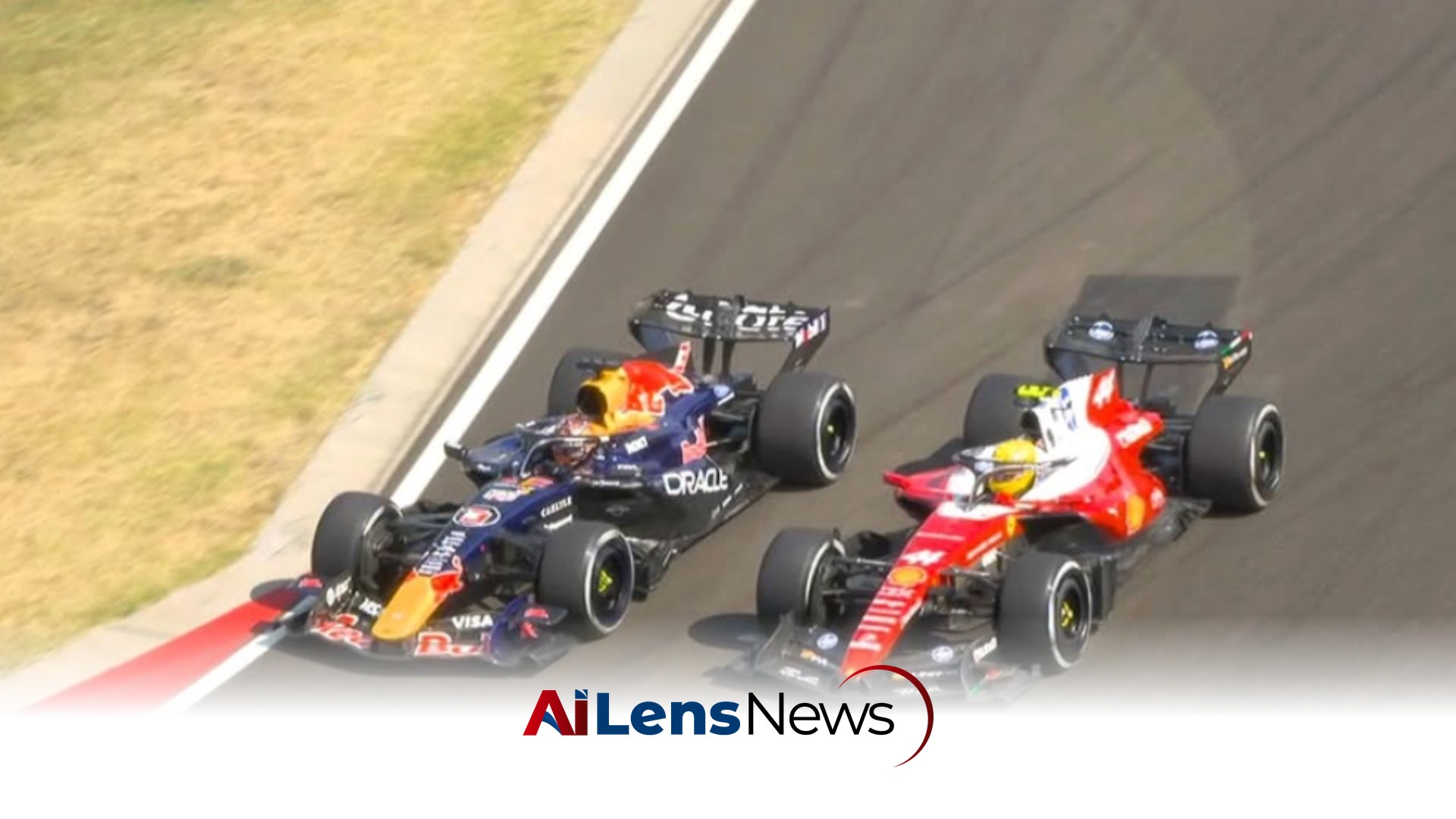


A social media post suggesting Singaporeans are upset about the F1 race being held in Malaysia has ignited a heated debate among netizens, with many defending their sentiments.
Singapore, Singapore Jul 31, 2026 ALN: It was recently reported that Formula One is returning to Malaysia this year at the Sepang International Circuit for a special, one-off race. This announcement has stirred a variety of reactions among fans and netizens alike, particularly regarding the perceived sentiments of Singaporeans towards this event. While many fans are thrilled about the return of the prestigious racing event to Malaysia, others have engaged in discussions about whether Singaporeans are feeling bitter about it.
The Formula One racing series, known for its high-speed cars and glamorous events, has long been a significant part of the motorsport calendar. The Sepang International Circuit, which opened in 1999, has a rich history as a venue for Formula One races and has hosted numerous Grand Prix events over the years. The return of the race to this iconic venue is seen as a significant moment for Malaysian motorsport, especially since the last time the country hosted a Formula One event was in 2017. The Sepang circuit is renowned for its challenging layout and enthusiastic crowd, making it a favorite among drivers and fans alike.
On social media platforms, particularly Facebook, a netizen shared a screenshot of a post in a thread that stated: “Singaporeans suddenly seem bitter that F1 is returning to Sepang instead of Marina Bay. Marina Bay is err public road that is converted to a race track at night lol, so what is the challenge there?” This comment sparked a flurry of responses, with some agreeing and others defending Singaporeans' perspective. This comment highlights a long-standing debate regarding the nature of street circuits versus purpose-built racing tracks, with supporters of each side arguing for the merits of their preferred venue.
The original commenter suggested that Singaporeans might feel resentment because they typically host the F1 race annually, while Malaysia only gets to host once every decade. This point highlights the competitive nature of the two countries in terms of hosting international events. Singapore's Marina Bay Street Circuit is known for its stunning night race atmosphere, which includes a backdrop of the city skyline illuminated against the night sky. This unique setting has attracted a significant number of international tourists and has become a hallmark of Singapore's identity on the global motorsport stage. However, the return of the F1 to Sepang has reignited discussions about the merits of each venue, with some arguing that Sepang’s layout offers a more traditional racing experience.
In the ensuing discussion, various opinions emerged. Some users pointed out that Singaporeans are not particularly passionate about Formula One as a sport, suggesting that the majority of attendees at the Singapore Grand Prix are tourists rather than locals. This perspective raises questions about the local engagement with the event and whether the return of F1 to Malaysia might attract more regional fans. The Singapore Grand Prix has been known to draw a significant influx of international visitors, but this has led to debates about the extent to which local fans are invested in the sport compared to their foreign counterparts.
Moreover, there were comments asserting that the return of F1 to Malaysia was not a straightforward decision. One comment noted, “You are just lucky that Bahrain GP is cancelled. As much as I love Sepang. You only got chosen to host because Bahrain GP isn’t going to happen.” This statement reflects a sentiment that Malaysia's opportunity to host the race might be circumstantial rather than a result of a competitive bid against Singapore. This comment underscores the complexities involved in securing such high-profile events, which often depend on various logistical and political factors beyond the control of the host nations.
In contrast, some Singaporean locals expressed their relief at the news, indicating that they were not bitter at all. One comment stated, “As usual, sensitive Malaysian netizens with their hallucinations about imaginary comments that nobody saw or heard about.” This response suggests a level of frustration with the assumptions being made about Singaporeans' feelings towards the race, emphasizing that for many, the event's return to Malaysia is a cause for celebration rather than resentment. This sentiment reflects a broader understanding that sports events can evoke a range of emotions, from pride to rivalry, but that these feelings should not overshadow the enjoyment of the sport itself.
This discussion illustrates that the reactions to F1’s return to Sepang are indeed mixed. While some perceive a rivalry between the two nations regarding their respective F1 events, others argue that the focus should be on the excitement and enjoyment that such events bring to fans across the region. The conversation also highlights the dynamics of national pride and the competitive spirit that often accompanies major international sporting events, particularly in Southeast Asia, where countries are eager to showcase their capabilities on the world stage.
The implications of this discourse extend beyond just the realm of motorsport. The return of the Formula One race to Malaysia is a reminder of the historical rivalry and camaraderie between Singapore and Malaysia, two nations that share a complex relationship. Both countries have their unique identities and strengths, and events like the F1 race can serve as a platform for regional unity and celebration of shared interests. The competitive nature of their relationship is often reflected in various sectors, including tourism, trade, and cultural exchanges, making the F1 race a significant event not just for motorsport fans but for the broader community as well.
As the date of the race approaches, it will be interesting to see how the event unfolds and whether it will foster a sense of regional pride among fans in both Malaysia and Singapore. The excitement surrounding the F1 race can be a unifying force, encouraging fans from different backgrounds to come together in appreciation of the sport. The anticipation for the event can also serve to strengthen the bonds between the two nations as they celebrate their shared love for motorsport, regardless of the competitive context.
Furthermore, the economic implications of hosting such a high-profile event cannot be overlooked. Formula One races attract significant tourism, with fans traveling from various countries to witness the spectacle. This influx of visitors can provide a boost to local economies, benefiting hotels, restaurants, and other businesses in the vicinity of the race. In this context, the return of F1 to Sepang may offer Malaysia a valuable opportunity to showcase its capabilities as a host for international events. The economic benefits can be substantial, providing a platform for local businesses to thrive while also enhancing the visibility of Malaysia as a destination for major sporting events.
In conclusion, while the discourse surrounding Singaporeans' sentiments towards the return of F1 to Malaysia may have sparked some controversy, it also opens up a broader conversation about regional identity, competition, and the shared love of motorsport. For many fans, the excitement of the race transcends national boundaries, reminding us that events like Formula One can bring people together, fostering a sense of community and shared passion for the sport. The upcoming race at Sepang is not just a celebration of speed and skill but also an opportunity for both nations to reflect on their relationship and the potential for collaboration and unity in the face of competition.
To learn more about the latest developments in Golf, stay updated with our exclusive reports and analyses on AiLensNews.

