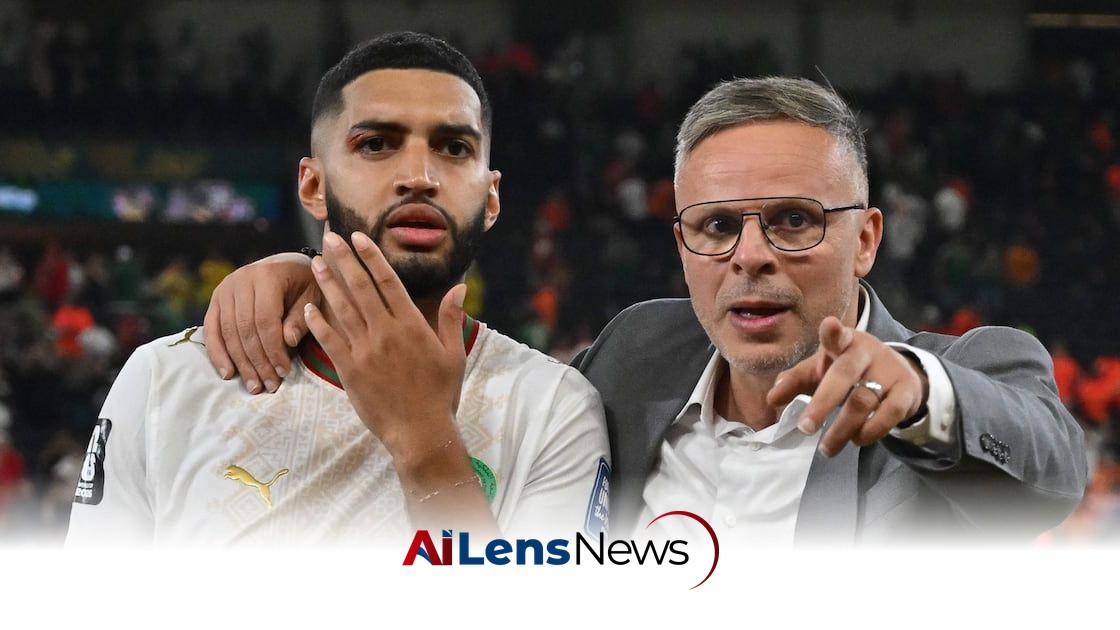


A comprehensive evaluation of the performances of Arab teams in the 2026 World Cup, highlighting successes and challenges faced during the tournament.
Riyadh, Saudi Arabia Jul 21, 2026 ALN: Hopes were high for Middle East and North Africa teams going into this summer's World Cup finals. The tournament, held in North America, marked a significant milestone as it featured a record eight teams from the Arab world. This was a historic moment, showcasing the growing strength and competitiveness of football in the region. Among the teams were Morocco, who had made headlines as semi-finalists in the previous World Cup held in Qatar, and Jordan, whose participation marked their debut at this prestigious global gathering. The excitement surrounding these teams was palpable, as fans from across the Arab world rallied behind their national squads, hoping to see them make an impact on the international stage.
As the tournament progressed, it became evident that the fortunes of these nations varied significantly. Each team faced unique challenges, and their performances reflected a mix of achievements and disappointments. Below, we delve into the performances of the Arab teams and provide a comprehensive analysis of their journeys through the tournament, culminating in a final grade for each team.
Results – Group stage: Brazil 1 Morocco 1; Scotland 0 Morocco 1; Morocco 4 Haiti 2.
Last-32: Netherlands 1 Morocco 1 AET: Morocco win 3-2 on penalties.
Last-16: Canada 0 Morocco 3.
Quarter-final: France 2 Morocco 0.
Report: Following up their historic efforts at Qatar 2022 was always going to be a tough task for the Moroccan national team. However, the Atlas Lions can look back at their results in North America with pride. They demonstrated resilience and skill, managing to secure draws and victories against formidable opponents. The match against Brazil, ending in a 1-1 draw, showcased their ability to compete with global heavyweights. Furthermore, their victory over the Netherlands in the last-32, which was decided by penalties after a tense match that ended 1-1, highlighted their mental fortitude and determination.
Morocco's performance did take a hit in the quarter-finals against France, where they struggled to find their rhythm and ultimately succumbed to a 2-0 defeat. This loss marked a familiar pattern, as they had faced the French team in the previous World Cup as well. Nevertheless, the overall performance of the Moroccan team was commendable, particularly considering the high expectations placed upon them following their previous success.
Star Pupil: Ismael Saibari emerged as a standout player for Morocco during the tournament. His exceptional skill and scoring ability were pivotal, as he netted three goals in three group-stage matches. His performance not only contributed significantly to Morocco's success but also caught the attention of international clubs, leading to a transfer to German giants Bayern Munich. Unfortunately, his absence in the critical match against France due to injury was a significant blow for the team, highlighting the thin margins that can define a tournament run.
Team grade: A-
As the tournament progressed, the performances of other Arab teams also came under scrutiny, with each nation striving to make their mark. The participation of these teams in the World Cup not only provided an opportunity for players to showcase their talents on a global stage but also served to inspire a new generation of footballers in the region. The visibility and representation of Arab nations in this prestigious tournament may have long-lasting implications for the development of football in the Middle East and North Africa.
In addition to Morocco, other Arab teams included Algeria, Egypt, Saudi Arabia, Tunisia, and the United Arab Emirates, each bringing their unique styles and strategies to the tournament. The varying levels of success among these teams highlighted the competitive landscape of Arab football, as well as the potential for growth and improvement in the coming years.
Algeria, for instance, entered the tournament with a mix of experienced players and emerging talents. Their campaign was marked by a series of close matches, reflecting their tactical discipline and team cohesion. Despite not advancing past the group stage, the Algerian squad showcased their potential, particularly in their matches against higher-ranked teams, which may bode well for future competitions.
Egypt, led by their star player Mohamed Salah, was another team that drew significant attention. The Pharaohs aimed to build on their previous World Cup appearances, and while they faced tough competition, their matches were characterized by moments of brilliance from Salah and other key players. However, their inability to convert chances into goals ultimately hindered their progress, leading to an early exit.
Saudi Arabia's participation was also noteworthy, as they sought to establish themselves as a competitive force in international football. Their matches demonstrated a mix of tactical approaches, but they struggled to find consistency. Despite this, the experience gained from competing against top-tier teams will be invaluable as they look to refine their strategies for future tournaments.
Tunisia and the United Arab Emirates faced their own challenges, with both teams showing flashes of potential but ultimately falling short of advancing to the knockout stages. The lessons learned from these matches will be crucial for their development, as they aim to foster a stronger football culture at home and invest in youth programs to cultivate the next generation of talent.
In summary, while Morocco's performance stood out as a beacon of hope and achievement, the overall experience for Arab teams in the World Cup was a mixture of highs and lows. The tournament served as a crucial platform for these nations to further establish their presence in the global football arena, and as they return home, the lessons learned will undoubtedly shape their future endeavors. The excitement generated by their participation is expected to resonate within their respective countries, fostering a deeper passion for the sport and encouraging investment in football infrastructure and youth development programs.
As the world looks forward to the next World Cup, the Arab teams will undoubtedly be keen to build on their experiences in North America, aiming for greater success and perhaps even more significant achievements on the world stage. The journey of these teams is far from over, and their aspirations will continue to inspire fans and players alike for years to come.
Moreover, the implications of this World Cup extend beyond the pitch. The participation of multiple Arab teams has the potential to enhance the visibility of the region in the global sports narrative. This visibility can lead to increased sponsorship opportunities, greater media coverage, and a more significant presence in international competitions. Additionally, the success of players like Ismael Saibari may inspire young athletes in the Arab world to pursue football professionally, creating a virtuous cycle of talent development.
In conclusion, the 2026 World Cup has been a landmark event for Arab football, providing a platform for teams to showcase their skills and aspirations on a global scale. As the Arab teams reflect on their performances and prepare for future challenges, the lessons learned from this tournament will undoubtedly influence their strategies and preparations moving forward, setting the stage for continued growth and development in the sport.
To learn more about the latest developments in Golf, stay updated with our exclusive reports and analyses on AiLensNews.

