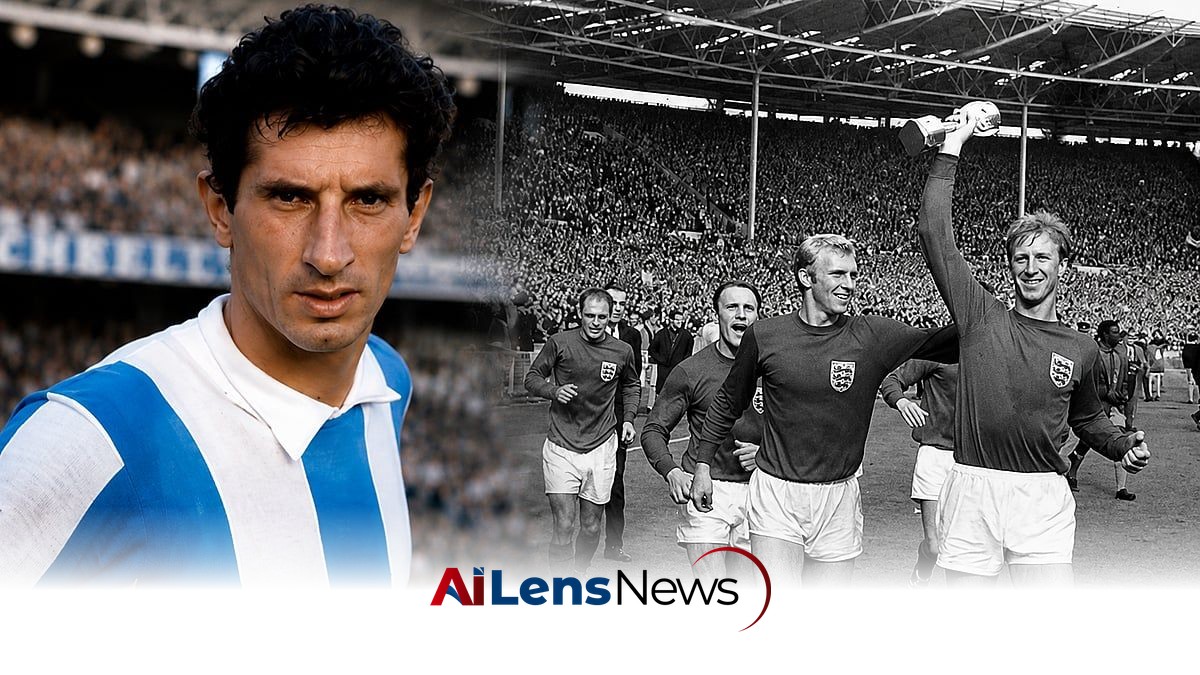


Exploring the roots of the intense rivalry between England and Argentina, sparked by the controversial events of the 1966 World Cup.
Riyadh, Saudi Arabia Jul 14, 2026 ALN: The upcoming World Cup semi-final between England and Argentina promises to be a thrilling encounter, but it also serves as a reminder of the rich and tumultuous history that has shaped one of football's most intense rivalries. This rivalry is not merely rooted in the sport itself; it is deeply entwined with historical events, cultural sentiments, and national pride that transcend the boundaries of the football pitch.
The origins of the England versus Argentina rivalry can be traced back to several key moments, each contributing to the animosity and competitiveness that define their encounters today. While England's 3-1 victory over Argentina in the group stage of the 1962 World Cup is often mentioned, it is the events of the 1966 World Cup that are frequently cited as the catalyst for the fierce rivalry that would develop in the years to come.
During the quarter-final match of the 1966 World Cup, held in England, the atmosphere was charged with anticipation. The match is now infamous in Argentina, often referred to as El Robo, meaning The Robbery. This term reflects the widespread belief among Argentine fans that their team was unfairly treated by the officials during the match. The pivotal moment came when Argentine captain Antonio Rattin was sent off by West German referee Rudolf Kreitlein, a decision that sparked outrage among players and fans alike.
Antonio Rattin, a renowned figure in Argentine football and captain of Boca Juniors, found himself at the center of controversy. The circumstances surrounding his dismissal were particularly perplexing. Rattin, who spoke Spanish, was confronted by a referee who did not understand his language, leading to a breakdown in communication. The absence of a standardized card system at that time only exacerbated the situation. Referees relied on verbal warnings and decisions, which made the dismissal of Rattin even more contentious. The referee later claimed that it was Rattin's demeanor and the expression on his face that led him to issue the red card, leaving many to wonder what exactly transpired on the pitch.
Rattin's bewilderment was palpable as he sought an interpreter, believing firmly that he had not committed any offense deserving of ejection. His refusal to leave the field, coupled with the lengthy delay that ensued, added to the drama of the moment. Eventually, he walked off the pitch, but not before sitting defiantly on the red carpet in front of the Royal Box, a symbolic act of protest against what he perceived as an injustice. The crowd's reaction, which included throwing beer and Aero chocolate bars at him, illustrated the heightened emotions surrounding the match.
The fallout from this incident extended far beyond the match itself. The communication issues highlighted by Rattin's dismissal prompted former referee Ken Aston to advocate for a standardized card system, which FIFA subsequently introduced at the 1970 World Cup. This change revolutionized the way the game was officiated and is still in use today, but it also serves as a lasting reminder of the contentious nature of that particular match.
England managed to secure a narrow 1-0 victory in the quarter-final, ultimately going on to win the tournament, marking their only World Cup triumph to date. However, for Argentina, the loss was accompanied by a lingering sense of injustice and resentment. The belief that they had been robbed of a fair chance to compete added a layer of bitterness to the rivalry that would only deepen in the years to come.
As the rivalry evolved, it became intertwined with broader socio-political contexts. The Falklands War of 1982, a conflict between the United Kingdom and Argentina over disputed territories, further intensified feelings on both sides. The war not only fueled national pride and identity but also spilled over into the realm of sports, with football matches becoming symbolic battlegrounds for nationalistic sentiments. The stakes were raised even higher when the two teams met again in the 1986 World Cup quarter-finals, a match that would be forever etched in football history due to Diego Maradona's infamous Hand of God goal.
Maradona's controversial goal, which he later described as being scored a little with his head and a little with the hand of God, became emblematic of the rivalry. It was a moment that showcased not only Maradona's extraordinary talent but also the complex emotions surrounding the match. The subsequent goal he scored, often hailed as one of the greatest in World Cup history, only solidified Argentina's victory and further entrenched the rivalry in the annals of football lore.
Fast forward to the 1998 World Cup, where the rivalry took another turn with David Beckham's red card in a match that saw England eliminated by Argentina in a penalty shootout. Beckham's dismissal for kicking out at Diego Simeone became a defining moment in his career, and the fallout from that match saw Beckham become a polarizing figure in football. The emotional weight of the rivalry continued to manifest in various forms, with each encounter between the two nations charged with historical significance.
As we approach the latest chapter in this storied rivalry, it is essential to recognize the layers of history, culture, and emotion that accompany every match between England and Argentina. The upcoming World Cup semi-final is not merely a sporting event; it is a continuation of a narrative that has evolved over decades. Players, coaches, and fans alike are acutely aware of the stakes involved, and the implications of the match extend far beyond the final score.
In the lead-up to the match, Argentine coach Lionel Scaloni has downplayed the historical implications of facing England, suggesting that the focus should be on the present and the players on the pitch. However, the weight of history is impossible to ignore, and as both teams prepare to clash, the echoes of past encounters will undoubtedly influence the atmosphere and intensity of the game.
Ultimately, whether it is the memory of Rattin's dismissal, Maradona's brilliance, or Beckham's heartbreak, every encounter between England and Argentina is steeped in history. It is a rivalry that transcends football, capturing the essence of competition, national pride, and the human spirit. As fans around the world eagerly await the semi-final, they are not just anticipating a football match; they are witnessing the unfolding of a rich tapestry of history that continues to resonate with passion and fervor.
To learn more about the latest developments in Basketball, stay updated with our exclusive reports and analyses on AiLensNews.

