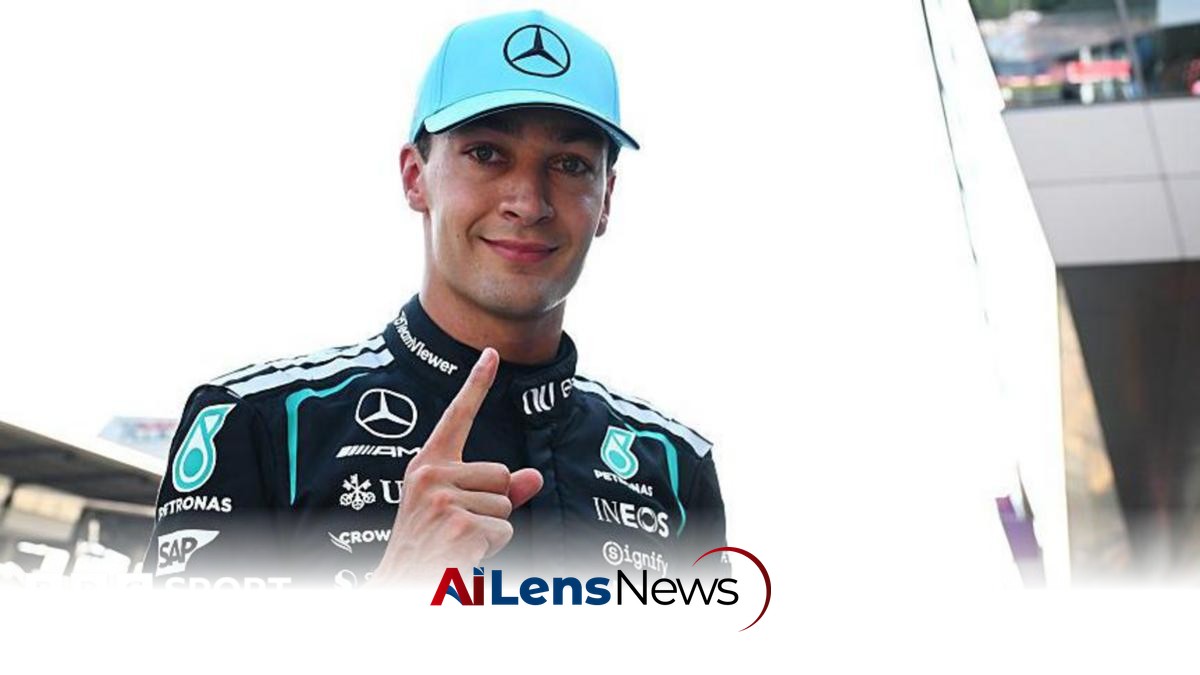


George Russell controversially secures pole position at the Austrian Grand Prix, overtaking Charles Leclerc amid a dramatic final lap.
New Delhi, India Jul 2, 2026 ALN: Mercedes driver George Russell controversially snatched pole position at the Austrian Grand Prix from Ferrari's Charles Leclerc with the last lap of the session.
The result came amid late drama as Russell set his lap, beating Leclerc and Lewis Hamilton, despite passing yellow flags for a crash by Red Bull's Max Verstappen at the penultimate corner. This incident has sparked discussions about the regulations surrounding yellow flags and how they are communicated to drivers during qualifying sessions.
Russell's team-mate Kimi Antonelli, who was running just ahead of the Briton, also passed the Verstappen incident but did not improve his time and will line up fourth. The dynamic between the Mercedes drivers during qualifying highlights the competitive nature of the team, as both drivers are vying for top positions in the championship standings.
McLaren's Lando Norris and Oscar Piastri were sixth and seventh behind Verstappen, who kept fifth despite his crash. The performance of McLaren has shown improvement throughout the season, and both drivers have been working hard to extract maximum performance from their cars. Their positions in the top ten reflect a positive trajectory for the team, which has historically been one of the most successful in One.
Russell insisted he had slowed sufficiently for the Verstappen incident, and said there was just a single yellow flag showing, rather than the double waved yellows which might have been expected for such a situation. The confusion surrounding the flags has led to questions about the efficacy of communication between race control and the drivers, which is critical in ensuring fair competition.
A single yellow flag was being shown on the light boards trackside, but, to confuse the situation, the official sheet of race control messages states that it was a double waved yellow flag on the approach to Turn Nine. This discrepancy has raised eyebrows among fans and analysts alike, as it can significantly impact a driver's performance and strategy during qualifying.
An FIA spokesperson clarified that a single yellow was shown initially, before it was upgraded to double yellows, by which time Antonelli and Russell had gone through. This explanation points to the need for clear and consistent communication from race officials to avoid similar controversies in the future.
"I had a big lift," Russell said. "I went into the corner 0.5 seconds up and I came out 0.25 seconds up. It was great to get that lap." Russell's ability to adapt to the changing conditions and still secure pole position speaks to his skill as a driver and his understanding of racecraft.
"I just spoke with Toto [Wolff, team principal] and he said everything is fine with the yellow flag. Big 100m lift before the corner. So that's good to hear." This endorsement from the team principal may provide some reassurance to Russell, but the controversy surrounding the flag situation will likely linger as teams analyze the implications of the incident.
Full qualifying results
Antonelli, who was the car running directly behind Verstappen, expressed regret over his decision to abort his lap, saying: "I thought it was a double yellow. I aborted completely and missed the front row." His reflection on the situation highlights the pressure drivers face in making split-second decisions during qualifying sessions, where the stakes are incredibly high.
"I shouldn't have done that. It was my mistake. It would have been very close with George. He would have been a little bit ahead but it would have been front row." Antonelli's admission underscores the fine margins that can determine the outcome of qualifying and, ultimately, the race itself.
The late drama was caused by a significant crash for Verstappen, who lost control going into the high-speed downhill right-hander and spun across the gravel into the barrier. This incident not only affected Verstappen's qualifying position but also had repercussions for the other drivers on the track at that moment.
Ferrari and McLaren did their runs early enough to complete their laps before Verstappen, but the Mercedes drivers were running behind the Dutchman on track. This situation illustrates the strategic considerations teams must make regarding timing and track position during qualifying sessions. The ability to read the track conditions and anticipate potential incidents is crucial for maximizing performance.
Until Russell's unexpected improvement, the crash had seemed to secure a front row for Ferrari, who had not looked like pole contenders until the end of qualifying. The unpredictability of qualifying sessions often leads to surprising results, and this instance was no different.
Leclerc was 0.059 seconds faster than Hamilton, who had been the quicker Ferrari driver all weekend. Hamilton made a mistake on his first run in Q3, locking a brake at Turn Three, and had to abort the lap. This misstep emphasizes the challenges drivers face in balancing aggression and caution, particularly in high-pressure situations.
That left him having a different risk-reward balance on the final lap, and he did not have quite enough to beat his team-mate. The rivalry between Hamilton and Russell continues to evolve, with both drivers pushing each other to perform at their best.
Antonelli backed off completely on his final lap on the approach to Turn Nine and was nearly two seconds slower than his final run. His decision to slow down demonstrates the impact of the yellow flag situation on drivers' strategies and the importance of adhering to safety protocols.
Verstappen's first lap, which was third fastest behind Antonelli and Russell, was good enough for fifth place. Despite the crash, Verstappen's initial performance showcased his skill and the competitive pace of the Red Bull car.
The McLaren drivers both improved on their final runs, but Norris ended up just 0.027 seconds slower than Verstappen, Piastri 0.009 seconds further behind. This close competition among the midfield teams indicates a tightening battle for points and positions as the season progresses.
Red Bull's Isack Hadjar and the Racing Bulls of Liam Lawson and Arvid Lindblad completed the top 10, reflecting the depth of talent in the current grid. The presence of these emerging drivers adds an exciting layer to the championship, as they continue to challenge established names in the .
In conclusion, the Austrian Grand Prix qualifying session was marked by controversy and drama, showcasing the unpredictable nature of One. The incident involving Verstappen and the subsequent implications for Russell and Antonelli highlight the importance of clear communication from race control and the need for drivers to navigate complex situations in real-time. As the season unfolds, the impact of these events will be felt in the championship standings, making every qualifying session critical for teams and drivers alike.
To learn more about the latest developments in Formula 1 & Motorsports, stay updated with our exclusive reports and analyses on AiLensNews.

