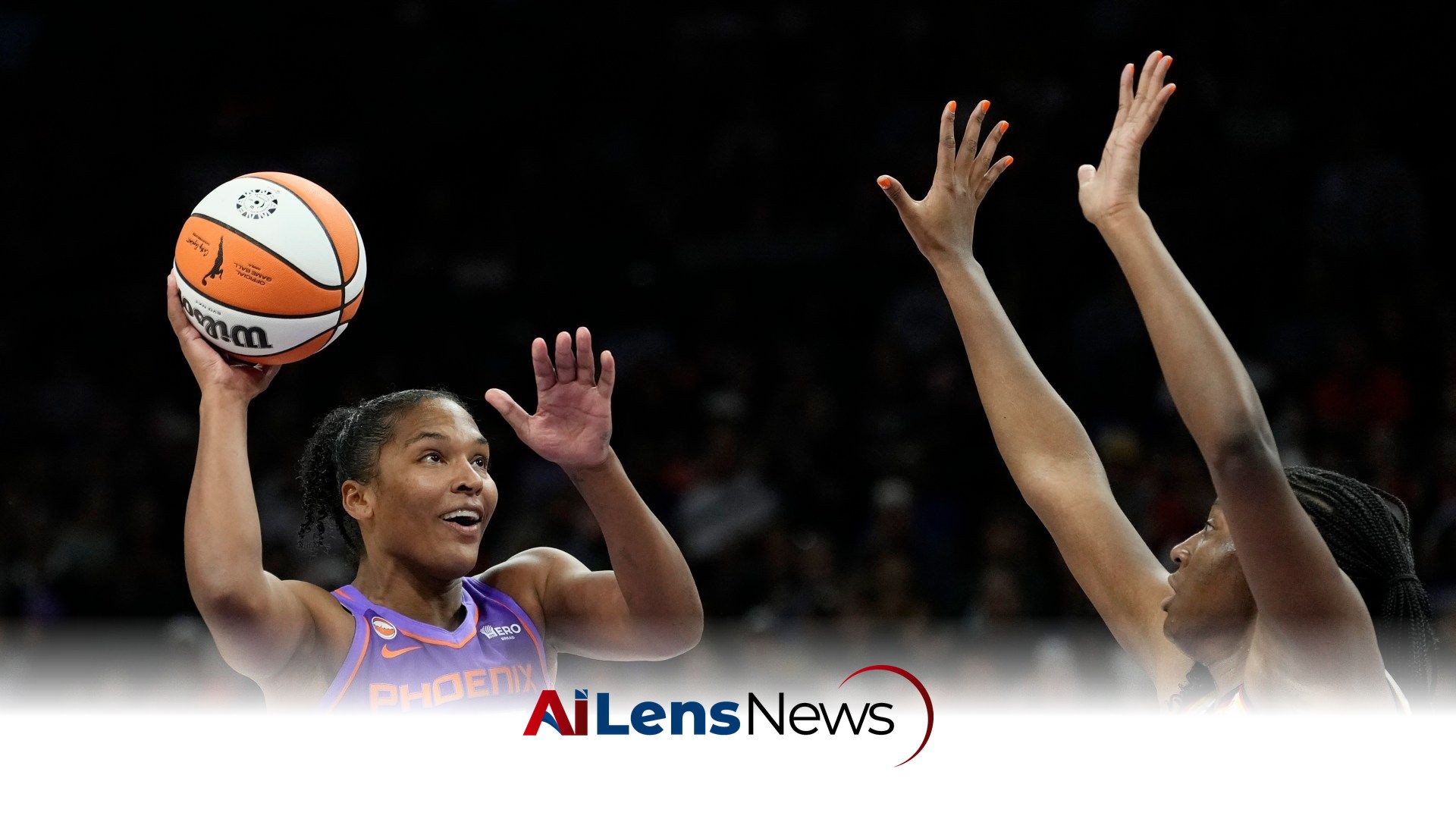


As the WNBA All-Star Game approaches, discussions on race, gender, and social media harassment overshadow the event, highlighting ongoing discord within the league.
Doha, Qatar Jul 25, 2026 ALN: The WNBA has never been bigger. The league is experiencing unprecedented growth in viewership, investment, and player salaries. As the WNBA continues to evolve, it finds itself at a crossroads, grappling with significant issues that overshadow its successes. This transformative period has seen the implementation of a landmark collective bargaining agreement, league expansion, and skyrocketing player recognition. However, it is also marked by growing scrutiny and controversies that have emerged, particularly in the lead-up to the WNBA All-Star Game.
The recent controversies surrounding the league have highlighted ongoing discussions about race, gender, and sexuality, which have become increasingly prominent in the public discourse. These discussions reached a new flashpoint ahead of the WNBA All-Star Game, where an incident involving Indiana Fever guard Caitlin Clark and Phoenix Mercury forward Alyssa Thomas reignited conversations about race and player safety. Players have voiced their frustrations with WNBA Commissioner Cathy Engelbert and the league's leadership, citing a perceived lack of protection from social media harassment and divisive remarks.
“It is a moment to be celebrated without a doubt,” remarked Ketra Armstrong, a sport management professor and director of the Center for Race and Ethnicity in Sport at the University of Michigan. “We want to celebrate what’s great. But sometimes, the progress can overshadow, still, where the perils are.” This sentiment captures the duality of the WNBA's current situation: while the league is enjoying success and recognition, it is also facing challenges that threaten to undermine its progress.
Issues of race, gender, and representation have been an undercurrent throughout the WNBA's history. As women's sports have gained popularity, debates surrounding these topics have intensified. The WNBA, like many professional sports leagues, has become a platform for broader societal issues, reflecting the cultural zeitgeist and the struggles for equity and justice. David Berri, a sports economist and economics professor at Southern Utah University, noted, “This is what a sports league is. If a sports league is going to get attention, you’re going to get attention for these things as well.”
In addition to race and gender, contentious conversations have also spread to issues surrounding transgender athletes and the harassment they face. WNBA veteran Brianna Turner recently took to social media to discuss a troubling incident from her time with the Indiana Fever, where a male employee was fired for sexual harassment. Turner, who now plays for the Las Vegas Aces, expressed concern that players were discouraged from discussing the firing, highlighting the need for transparency and accountability within the league.
Turner’s comments came amid a broader discussion on the inclusion of transgender athletes in women's sports, sparked by remarks from Indiana forward Sophie Cunningham. Cunningham stated, “I got a lot of negative feedback about me hating trans. And I’m like, ‘I never once said that.’ I think that I am here to extend love. But I also think with that love is truth, being honest. And I want to protect young girls in a locker room, or young girls in sport who shouldn’t have to go against biological men.” This statement has drawn both support and backlash, illustrating the complexities of the conversation surrounding gender identity in sports.
The WNBA's ongoing discussions about race were further thrust into the spotlight following an incident involving Toronto Tempo coach Sandy Brondello. Brondello was suspended for one game after referring to Atlanta Dream forward Angel Reese as a “protected species” during a game. The phrase, commonly used in Australian sports to express frustration over officiating, took on a different connotation in the US, where it can be interpreted as derogatory towards Black individuals. Brondello later apologized for her comment, and Reese accepted the apology, appreciating the league's swift response.
“It’s a much bigger platform now. Everything that happens is news,” Berri commented, reflecting on how increased media coverage magnifies every incident within the league. “There were hard fouls 10 years ago. Nobody paid any attention to that. It ends up being because of the coverage now, everything gets magnified … which is good. I mean, this is what we wanted.” This increased scrutiny has the potential to create both positive change and heightened tension within the league.
Amidst the controversies, Caitlin Clark has found herself at the center of attention, becoming a symbol of the broader issues facing the league. Despite her attempts to downplay the noise surrounding her, she has become a focal point for discussions that extend beyond basketball. “It’s basketball,” Clark said in a recent ESPN interview. “When I walk out of the locker room, I shouldn’t be fearful of what the conversation is going to be. It’s emotionally exhausting. It’s draining. It makes your shoulders tense because people don’t want to talk about the basketball. They just want to stir it up and make something else.”
The WNBA retroactively assessed Thomas a flagrant foul and suspended her for one game following a controversial play where she made contact with Clark's throat during a June 24 matchup. The incident sparked widespread attention and ignited debates over officiating, with coaches, pundits, and lawmakers weighing in on whether the league needs to take action regarding physical play involving Clark. Thomas, who is Black and in her 12th WNBA season, reported receiving death threats in the aftermath of the incident, illustrating the heightened online vitriol that players have faced in recent years. Chelsea Gray of the Las Vegas Aces also shared a disturbing message from a man that included a racial slur, underscoring the toxic environment that can exist for athletes, particularly women of color.
In response to these challenges, Commissioner Engelbert met with player committees to discuss measures that can be taken to protect players from online harassment. The league's leadership is recognizing the need for a proactive approach to ensure the safety and well-being of its players in an increasingly hostile digital landscape.
As the WNBA continues to navigate these complex issues, it is clear that the players have become proxies for longstanding American societal challenges. From race and gender to sexual orientation and representation, the league is at the forefront of a cultural reckoning that extends beyond the basketball court. “There’s a lot to celebrate,” Armstrong concluded, “but race still matters. Race will always matter. It just depends on how we make it matter.” This statement encapsulates the ongoing struggle for equity and recognition within the WNBA and the broader sports community, highlighting the importance of addressing these critical issues as the league moves forward.
To learn more about the latest developments in Basketball, stay updated with our exclusive reports and analyses on AiLensNews.

