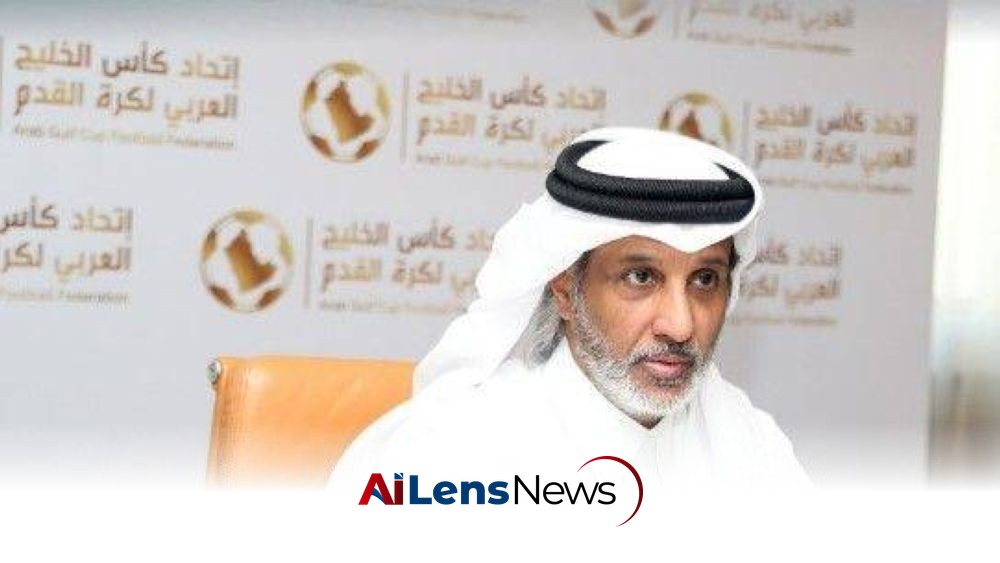


The Qatar Football Association has appointed Sheikh Hamad bin Khalifa bin Ahmed Al Thani as its president until 2027, following recent resignations.
Doha, Qatar Jul 29, 2026 ALN: The Executive Committee of the Qatar Football Association (QFA) has approved the appointment of HE Sheikh Hamad bin Khalifa bin Ahmed Al Thani as President of the QFA until the end of the current board's term in 2027. This decision comes in light of the recent resignations of former president HE Jassim bin Rashid Al Buainain and vice president Mohammed bin Khalifa Al Suwaidi, which have prompted a reshuffling of leadership within the association.
The resignations were submitted in accordance with the association's internal procedures, highlighting the structured governance framework that the QFA adheres to. Following these developments, the Executive Committee convened to address the leadership vacuum and ensure continuity in the management of football in Qatar. The meeting took place on Tuesday, following a preliminary session held on Sunday, during which members discussed potential candidates for the vacant positions.
Sheikh Hamad bin Khalifa bin Ahmed Al Thani's appointment as QFA President is significant, as it reflects the association's commitment to maintaining experienced leadership during a crucial period for Qatar football. His appointment will remain in effect until the conclusion of the current electoral cycle in 2027, pending formal ratification by the QFA General Assembly, which is anticipated to convene in September.
In addition to Sheikh Hamad's appointment, the committee also approved the appointment of Sheikh Tamim bin Mohammed Al Thani as Deputy President. This dual leadership structure is expected to foster collaboration and strategic planning within the QFA, particularly as the organization prepares for significant upcoming events, including the 2026 FIFA World Cup.
The 2026 FIFA World Cup is a pivotal event for Qatar, as it represents the first time the tournament will be hosted by three countries: the United States, Canada, and Mexico. Qatar's participation in this global event is crucial not only for the national team but also for the broader ambitions of the QFA to enhance the profile of football in the country. During the recent Executive Committee meeting, members reviewed a report on the national team's preparations and participation in the World Cup, indicating a proactive approach to international competition.
Moreover, the QFA's focus on strengthening the domestic football pyramid was underscored by the committee's approval of the launch of QSL 3, a new third-tier league. This league will operate below the Doha Bank Stars League and QSL 2, aimed at providing a structured pathway for player development and enhancing competitive opportunities within the local football ecosystem. The introduction of QSL 3 is a strategic move to ensure that aspiring players have access to competitive football at various levels, thereby nurturing talent from grassroots to professional ranks.
As part of this initiative, the committee also approved Al Rifaa Club's participation in youth competitions starting with the new season. This decision is indicative of the QFA's commitment to expanding opportunities for player development across the country's football structure, which is essential for cultivating a robust pipeline of talent that can eventually contribute to the national team.
The implications of these leadership changes and strategic initiatives are significant for the future of football in Qatar. With the World Cup on the horizon, there is a heightened sense of urgency to ensure that the national team is prepared to compete at the highest level. The leadership of Sheikh Hamad and Sheikh Tamim is expected to bring a renewed focus on performance, development, and the overall growth of the sport within the country.
Furthermore, the QFA's efforts to enhance the domestic league structure through the introduction of QSL 3 and support for youth competitions reflect a comprehensive approach to football development. By investing in the foundational levels of the sport, the QFA aims to create a sustainable environment that fosters talent and encourages participation at all ages.
In conclusion, the appointment of HE Sheikh Hamad bin Khalifa bin Ahmed Al Thani as QFA President and the establishment of QSL 3 are pivotal developments that underscore the QFA's commitment to advancing football in Qatar. As the nation prepares for the 2026 FIFA World Cup, these initiatives will play a crucial role in shaping the future of the sport and ensuring that Qatar's football landscape is vibrant and competitive.
To understand the significance of Sheikh Hamad's appointment, it is essential to consider the context of football in Qatar. Over the past two decades, the country has made substantial investments in sports infrastructure and development, with football being a primary focus. The QFA has worked diligently to elevate the standard of play and increase the popularity of the sport among the population. The recent leadership changes are a reflection of this ongoing commitment to fostering a strong football culture.
Sheikh Hamad's experience within the QFA and his understanding of the local football landscape will be invaluable as he steps into this prominent role. His leadership is expected to bring stability and continuity during a time of transition, especially with the upcoming World Cup serving as a significant milestone for Qatar not only as a host nation but also as a competitor on the world stage. The QFA's strategic planning and preparations for the World Cup will be critical in ensuring that the national team is equipped to perform at its best, showcasing the talent and potential of Qatari players.
Additionally, the establishment of QSL 3 represents a broader vision to enhance the overall football ecosystem in Qatar. The new league aims to create more opportunities for players, coaches, and clubs to engage with football at various levels, thereby enriching the competitive landscape. This initiative aligns with the QFA's long-term goals of developing homegrown talent and providing a clear pathway for aspiring footballers to reach professional levels. By expanding the league structure, the QFA intends to create a more inclusive environment that encourages participation from all segments of society.
The QFA's commitment to youth development is further evidenced by the integration of clubs like Al Rifaa into youth competitions. This move not only provides young players with valuable competitive experience but also fosters a sense of community and belonging within the sport. Engaging youth in football is crucial for nurturing the next generation of players who will represent Qatar on both national and international stages.
As Qatar continues to prepare for the 2026 FIFA World Cup, the leadership of Sheikh Hamad and Sheikh Tamim will be instrumental in steering the QFA towards achieving its objectives. Their collaborative approach is expected to yield positive outcomes, not only for the national team but also for the entire football community in Qatar. The focus on performance, development, and strategic planning will be essential as the country navigates the complexities of hosting a major international sporting event while simultaneously striving to enhance its domestic football scene.
In summary, the recent leadership changes within the QFA and the introduction of QSL 3 are significant steps towards building a sustainable future for football in Qatar. With the World Cup on the horizon, these initiatives are poised to create a lasting impact on the sport, ensuring that Qatar remains competitive and vibrant in the global football landscape. The commitment to developing local talent, expanding opportunities, and fostering a strong football culture will be crucial as the nation embarks on this exciting new chapter in its sporting history.
To learn more about the latest developments in Golf, stay updated with our exclusive reports and analyses on AiLensNews.

