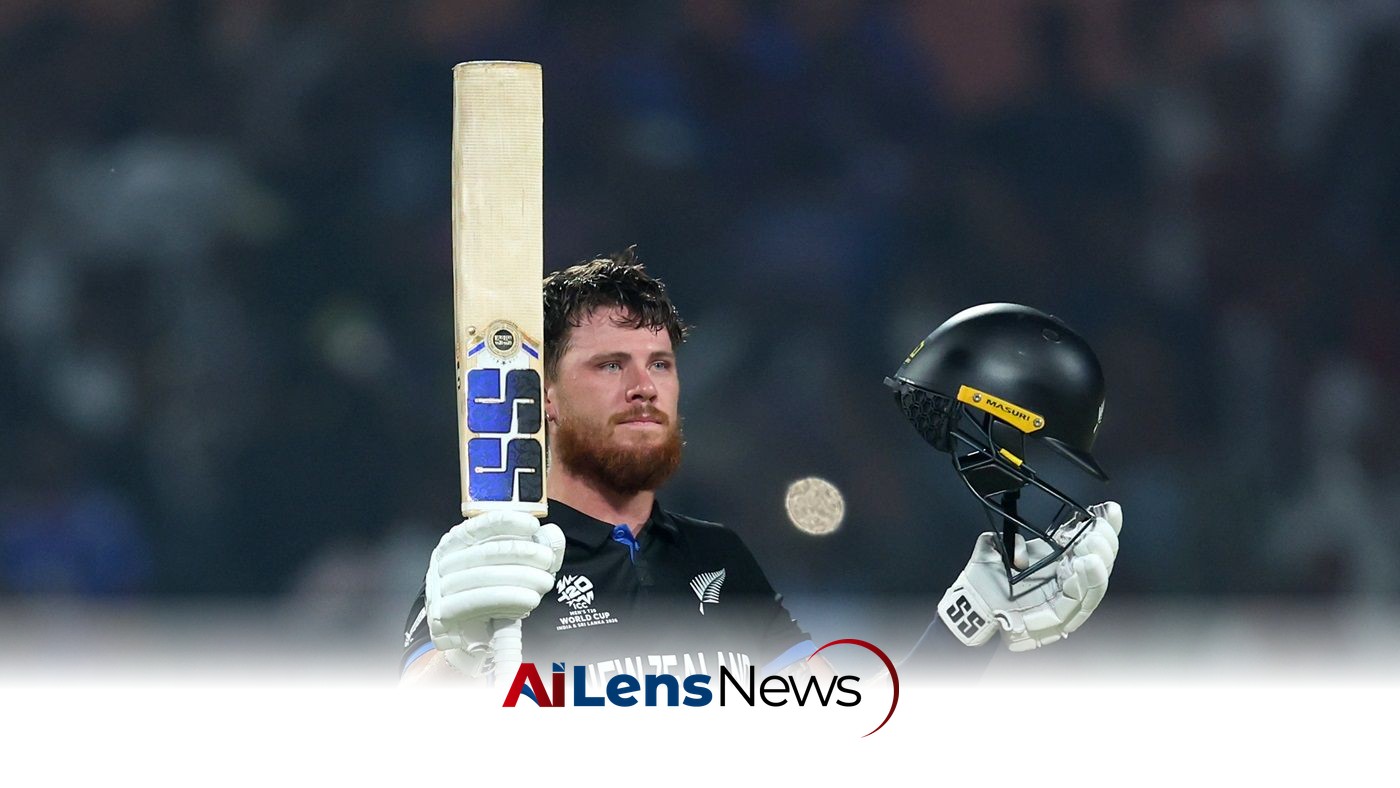


While none of the quartet have featured recently in ODIs, they could push for a spot at the 2027 World Cup.
New Delhi, India Jul 8, 2026 ALN: New Zealand has confirmed that four players will hold casual contracts as part of their strategy to bolster the squad for future competitions. This announcement reflects the national team's proactive approach to player development and selection as they aim to enhance their competitive edge ahead of significant tournaments, including the 2027 ICC World Cup.
The players in question have not been active participants in One Day Internationals (ODIs) recently, which raises questions about their current form and fitness levels. However, their inclusion in casual contracts indicates that the selectors see potential in these players and are keen to keep them in the fold as they assess their capabilities. Casual contracts are particularly valuable in providing players with a platform to showcase their skills in domestic competitions, thereby increasing their chances of being considered for the national team.
This decision aligns with New Zealand's broader strategy to maintain a robust player pool. The selectors are keen to explore a variety of options, ensuring that they have a diverse and competitive squad as they prepare for the challenges ahead. The 2027 World Cup is a significant milestone for New Zealand, and the selectors are well aware that a successful campaign will require a mix of seasoned players and emerging talent. The casual contracts serve as an avenue for players to prove their worth and potentially earn a place in the national setup.
The importance of depth in the squad cannot be overstated, especially in the context of international , where injuries and form fluctuations can impact team performance. By offering casual contracts, New Zealand is not only investing in the players' futures but also reinforcing the idea that every player has the potential to make a comeback. This approach reflects a commitment to nurturing talent and ensuring that the team remains competitive on the world stage.
New Zealand has a rich history in international , marked by significant achievements and memorable performances. The national team has consistently been a formidable force in ODIs, having reached the finals of the World Cup in both 2015 and 2019. Their impressive track record underscores the importance of strategic planning and player development as they look towards the future. The journey to the World Cup has often been paved with meticulous preparation, and the selectors are keenly aware that the road to success is built on a foundation of strong, adaptable players.
Moreover, the casual contracts are a recognition of the evolving landscape of international . With the increasing competitiveness of teams globally, New Zealand's selectors are tasked with the challenge of identifying and nurturing talent that can withstand the pressures of top-level competition. This includes keeping an eye on players who may not have been in the limelight but possess the skills and temperament needed to thrive in high-stakes situations. As continues to grow in popularity and complexity, the selectors must adapt their strategies to ensure they remain ahead of the curve.
The players holding casual contracts will have the opportunity to participate in domestic competitions, where they can showcase their skills and work towards regaining their form. Domestic serves as a vital platform for players to demonstrate their capabilities, and strong performances could lead to a call-up for international matches. The selectors will be closely monitoring these competitions, eager to identify players who can contribute to the national team's success. This creates a dynamic environment where performance is constantly evaluated, and where players are motivated to excel in order to secure their place in the national team.
In terms of implications, the decision to offer casual contracts can have a ripple effect on the domestic scene as well. It encourages competition among players at the domestic level, motivating them to perform at their best to catch the attention of the national selectors. This competitive environment can lead to an overall enhancement of the quality of played within the country, benefiting not just the national team but also the future of the sport in New Zealand. The presence of casual contracts can elevate the standard of play across the board, as players strive to outdo one another and make their mark.
Furthermore, the casual contracts can serve as a motivational tool for young players aspiring to represent New Zealand. Knowing that opportunities exist, even for those who may not have recently been in the national setup, can inspire upcoming ers to work hard and strive for excellence. The pathway to international representation becomes more visible and attainable, fostering a culture of ambition and determination within the sport. Young players can see that their efforts in domestic competitions can lead to significant opportunities, encouraging them to invest in their development and pursue their ing dreams.
In conclusion, while the four players may not have been in the spotlight recently, their casual contracts signify New Zealand's commitment to exploring all avenues for building a strong team for the future. By investing in both emerging talent and experienced players, the national selectors are laying the groundwork for a competitive squad that can rise to the challenges of international . As the 2027 World Cup approaches, the importance of strategic planning, player development, and depth in the squad will be crucial in ensuring New Zealand remains a formidable force on the world stage. The selectors’ decision to implement casual contracts serves not only as a tactical move but also as a testament to the belief in the potential of all players, reinforcing the idea that every individual has a role to play in the success of the national team.
To learn more about the latest developments in Cricket, stay updated with our exclusive reports and analyses on AiLensNews.

