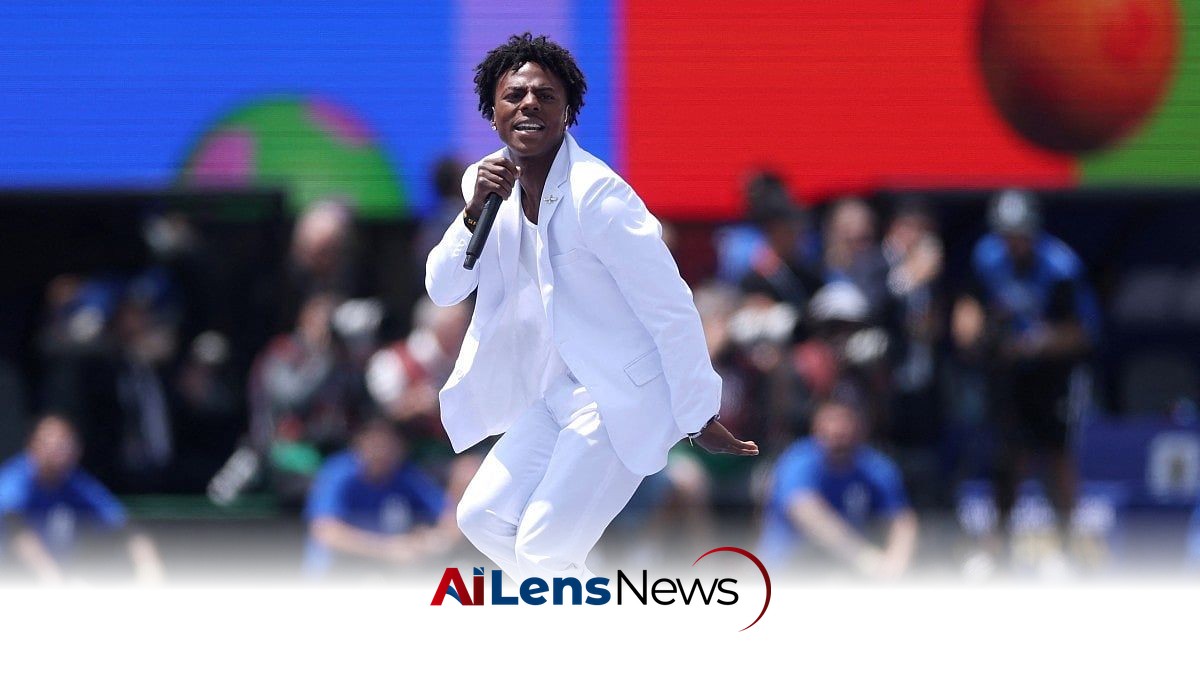


The FIFA World Cup 2026 final dazzled with a vibrant opening ceremony featuring IShowSpeed, Post Malone, and Swae Lee, setting the stage for Spain vs Argentina.
Kuwait City, Kuwait Jul 19, 2026 ALN: Before Spain and Argentina could battle it out for football's biggest prize, FIFA made sure the entertainment came out swinging. The FIFA World Cup 2026 final kicked off with a glitzy, unapologetically American closing ceremony that transformed New York New Jersey Stadium into a pulsating concert arena dripping in gold, black and larger-than-life spectacle.
The event marks a significant moment not just in sports, but in the cultural landscape of the United States, as the country prepares to host the World Cup for the first time since 1994. This upcoming tournament is particularly notable as it will feature an expanded format with 48 teams, up from the traditional 32, creating an even larger global stage for the sport. The final ceremony serves as a showcase of this evolution, blending football with the vibrant culture of entertainment that the U.S. is known for.
The FIFA World Cup is considered the pinnacle of international football, with a rich history dating back to its inception in 1930. Over the years, it has grown into a global phenomenon, drawing in billions of viewers across the world. The decision to expand the tournament to 48 teams reflects FIFA's ambition to increase participation and inclusivity in the sport, allowing more nations to compete on the world stage. This change is expected to enhance the tournament's appeal, particularly in regions where football is rapidly growing, such as North America, Asia, and Africa.
Dozens of performers stormed the pitch as thunderous drumlines echoed through the stadium. Dancers dressed in shimmering gold, black and white moved in hypnotic concentric circles, while cheerleaders, flag bearers and neon-clad performers turned the football pitch into a dazzling stage worthy of a Super Bowl halftime show. This seamless integration of sports and entertainment underscores a growing trend in major sporting events, where the spectacle often rivals the competition itself. The emphasis on entertainment can be traced back to the increasing commercialization of sports, where franchises and governing bodies seek to maximize revenue through diverse revenue streams, including merchandising, broadcasting rights, and sponsorship deals.
Towering visuals of the Statue of Liberty and the Empire State Building paid tribute to the host region as fans were urged to throw their hands in the air, wave their flags and soak in the party atmosphere. The choice of imagery not only highlighted iconic American landmarks but also emphasized the World Cup's theme of unity and celebration among nations, a core value of FIFA's mission. This theme resonates deeply within the context of the tournament, as it brings together diverse cultures and nationalities, fostering a sense of camaraderie among fans and players alike.
Blue FIFA branding popped against the sea of gold, giving the ceremony a distinctly glitzy edge. This branding strategy is part of FIFA's efforts to enhance its global identity and reach, particularly in a market like the United States, where football is still growing in popularity compared to sports like basketball, American football, and baseball. As FIFA continues to invest in marketing and promotional activities, it aims to elevate the profile of football in the U.S. and engage a broader audience, especially among younger demographics who are increasingly drawn to the sport.
Internet sensation IShowSpeed was among the first stars to ignite the crowd, bringing his trademark chaotic energy to football's biggest stage. The YouTube superstar bounced across the stage as drummers pounded away and dancers kept the adrenaline pumping. IShowSpeed's involvement illustrates FIFA's willingness to embrace new media and youth culture, recognizing the importance of engaging younger audiences through platforms they frequent. By incorporating social media influencers and digital content creators into its events, FIFA is adapting to the changing landscape of entertainment consumption, where traditional media is often supplemented by online platforms.
Then came Post Malone, who dialed up the swagger in jeans and a cowboy hat. His chart-topping hits, paired with booming percussion and dazzling visuals, had the stadium singing along as kick-off edged closer. Post Malone's performance not only appealed to a broad demographic but also highlighted the blending of music genres, reflecting the diverse cultural landscape of the United States. The choice of artists for such high-profile events is crucial, as it can significantly impact audience engagement and viewership. By selecting artists with wide appeal, FIFA ensures that the ceremony resonates with fans from various backgrounds.
Not to be outdone, Swae Lee stepped in to keep the momentum alive, adding another dose of star power to an opening ceremony that felt more like a music festival than a football warm-up. The infusion of hip-hop and pop into the ceremony signifies a shift towards inclusivity in entertainment, showcasing a wide array of musical styles that resonate with different audiences. This trend reflects a broader cultural movement towards embracing diversity in entertainment, where various genres and artistic expressions are celebrated and showcased.
It was bold. It was loud. It was unapologetically over the top. And if FIFA wanted to remind the world that the World Cup final is as much a global entertainment event as it is a football match, mission accomplished. This approach reflects a broader trend in sports where the lines between athletic competition and entertainment continue to blur, with events like the Super Bowl and the Olympics also leaning heavily into entertainment to enhance viewer engagement. The merging of sports with entertainment is not merely a passing trend; it represents a fundamental shift in how audiences engage with live events, driven by technological advancements and changing consumer preferences.
As the world watches, the implications of such a grand spectacle extend beyond the immediate excitement of the final match. The ceremony sets a precedent for future sporting events, emphasizing the importance of creating a holistic experience for fans. It also raises questions about the commercialization of sports and the balance between maintaining the integrity of the game while also catering to the entertainment demands of a global audience. The challenge for organizers lies in striking the right balance between providing an entertaining experience and preserving the essence of the sport, ensuring that the competition remains at the forefront.
In conclusion, the FIFA World Cup 2026 final's opening ceremony at MetLife Stadium not only celebrated the sport of football but also showcased the cultural dynamism of the host nation. As the tournament approaches, the blending of sports and entertainment will likely continue to evolve, reflecting changing audience expectations and the global nature of the event. The ceremony serves as a reminder that football, while a competition, is also a celebration of culture, unity, and the shared joy of the game. This duality is what makes the World Cup so special, uniting fans from around the world in a shared experience that transcends borders, languages, and cultures.
To learn more about the latest developments in Basketball, stay updated with our exclusive reports and analyses on AiLensNews.

