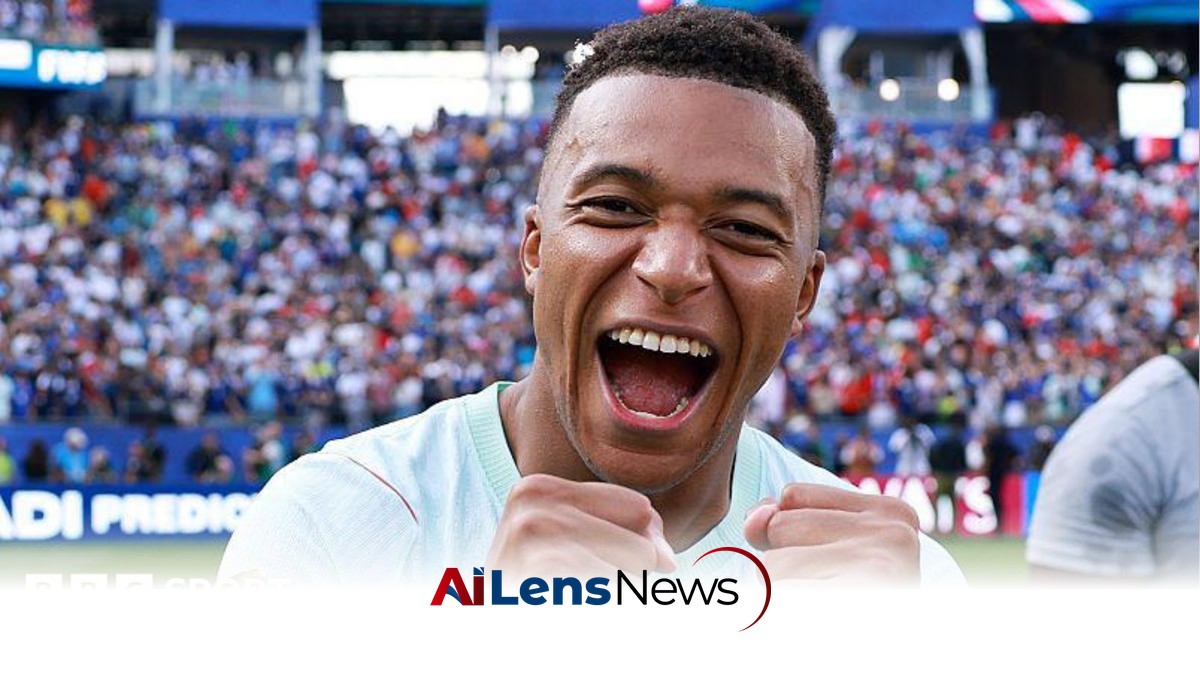


As Argentina, England, France, and Spain prepare for the World Cup semi-finals, a statistical comparison reveals their strengths and weaknesses.
New Delhi, India Jul 13, 2026 ALN: With Argentina, England, France, and Spain just two games from glory, we compare how the four semi-finalists have performed so far to get an idea of who could lift the World Cup this weekend.
The FIFA World Cup is one of the most prestigious tournaments in international , featuring the best teams from around the globe. As the tournament progresses, the semi-finals often showcase the pinnacle of talent and strategy, with teams vying for a coveted spot in the finals. This year, the semi-finalists—Argentina, England, France, and Spain—have all demonstrated remarkable performances, and analyzing their journeys thus far can provide insights into their potential for success in the upcoming matches.
While all the teams have played six games, Argentina has played an hour more than France and Spain due to games going into extra time, and England has played half an hour more. This variance in playing time is crucial when evaluating the physical and mental fatigue of players as they approach the semi-finals. The additional minutes on the pitch can impact a team's stamina and tactical approach, making it essential to consider these factors when predicting outcomes.
Argentina, the reigning champions, have scored the most goals in the tournament, totaling 17. Their offensive prowess is not only a testament to their attacking talent but also reflects their ability to capitalize on scoring opportunities. However, it is worth noting that while Argentina leads in total goals, France has been statistically the most effective team going forward. The two-time World Cup winners have averaged the most goals per game, registered the joint-most shots on target, and achieved the highest Expected Goals (xG) per 90 minutes. This indicates that France has created high-quality scoring chances consistently throughout the tournament.
On the other hand, Argentina's clinical finishing has been impressive, converting 18% of their chances. This efficiency is critical in knockout , where every opportunity can be decisive. In contrast, Spain has struggled to convert their chances despite taking the same number of shots as France—110. With only 11 goals scored, Spain's inability to find the back of the net consistently highlights a disparity between their offensive output and their scoring efficiency. Such a trend could be concerning as they face formidable opponents in the semi-finals.
When analyzing creativity and offensive strategies, England has shown a different approach. While they have not been as innovative as their semi-final counterparts, their clinical finishing from key players like Jude Bellingham and Harry Kane has enabled them to score more than two goals per game. This reliance on a few standout performers emphasizes the importance of individual brilliance in critical moments, which can be a double-edged sword depending on the form and fitness of those players.
Defensively, Spain has emerged as the most solid side, having only conceded their first goal of the tournament during their quarter-final victory against Belgium. This defensive resilience is a vital attribute, especially in high-stakes matches where conceding an early goal can shift the momentum dramatically. France, while also having a strong defensive record, has conceded just two goals in six games, showcasing their ability to maintain a robust backline while also being a potent attacking force.
The upcoming clash between France and Spain promises to be a tactical battle, pitting Spain's defensive solidity against France's dynamic attacking play. The question remains whether Spain's immovable defense can withstand the relentless pressure from France's formidable attacking unit.
In the other semi-final, England and Argentina may provide a more open and high-scoring affair. Both teams have conceded six goals thus far, with England allowing the most chances and Argentina struggling to contain their opponents effectively. This could lead to an exciting match filled with goal-scoring opportunities, but it also raises concerns about defensive vulnerabilities that could be exploited by their opponents.
In terms of physical performance, Argentina has covered the most ground in the tournament, totaling 706.5 km. However, this statistic can be misleading as it is primarily a result of their extended playing time. When factoring in the actual minutes played, Argentina has run the least and made the fewest sprints among the four remaining teams. This discrepancy suggests that while they may have played more minutes, their overall intensity and pressing game have not matched that of their rivals, potentially impacting their effectiveness in high-pressure situations.
Spain, conversely, has displayed the most work ethic among the semi-finalists, leading in terms of distance covered, sprints, and pressing actions. Their style of play, characterized by high possession and quick passing, has allowed them to control games effectively. With an impressive possession rate of 66%, Spain not only leads the remaining teams but also ranks as the highest in this statistic throughout the tournament. Their passing accuracy, joint-best with Argentina at 90.4%, indicates a well-drilled side that prioritizes maintaining control of the ball.
As the semi-finals approach, the tactical battles will intensify. England's defenders will need to be vigilant in cutting out through balls, particularly those played by Argentina's talismanic captain, Lionel Messi. Messi has showcased his playmaking abilities by providing the most key passes, threading the ball to his teammates more often than any other player in the tournament, with 15 assists to his name. His vision and creativity will be crucial for Argentina's success against a disciplined England defense.
On the flip side, England possesses its own threats that Argentina must contend with. Under the management of Thomas Tuchel, England has excelled in open-play crossing, successfully finding a teammate with one in every four attempts. This proficiency has contributed to them scoring the joint-most headed goals (four) and registering the most headed shots (24) in the tournament. The fact that Argentina has the lowest aerial duel success rate of the four semi-finalists could give England confidence in exploiting this weakness, particularly during set pieces and crosses from wide areas.
While Lionel Messi's dribbling ability remains unmatched—only two players have successfully dribbled past opponents more than him—his teammates have not mirrored this trend, indicating a reliance on Messi's individual brilliance. In contrast, Spain will need to prepare for the dynamic and aggressive attacking style of France, who have consistently utilized their front four to challenge opposing defenses. The semi-finals will not only test the teams' tactical acumen but also their adaptability in the face of varied playing styles.
As the tournament reaches its climax, the stakes are higher than ever. The semi-finals will serve as a platform for these four ing giants to solidify their legacies and make a case for their place in history. With a blend of tactical ingenuity, individual talent, and the pressure of high-stakes , fans can expect thrilling encounters that will ultimately determine who advances to the final and has the chance to lift the World Cup trophy.
To learn more about the latest developments in Football (Soccer), stay updated with our exclusive reports and analyses on AiLensNews.

