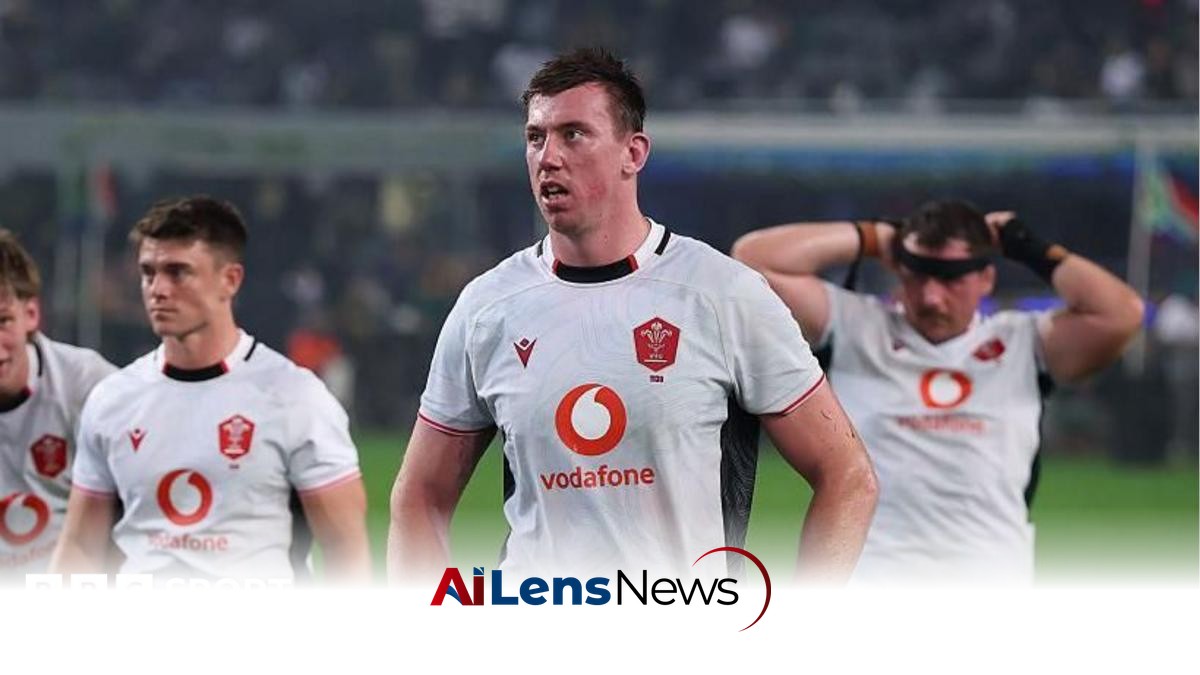


In a commanding performance, South Africa secured a seven-try victory against Wales, reinforcing their dominance in the Nations Championship.
New Delhi, India Jul 19, 2026 ALN: Nations Championship
South Africa (19) 43
Tries: Wiese, Reinach, Kriel, Williams, Jantjies, Arendse, de Villiers Cons: Moyo 3, Libbok
Wales (0) 0
South Africa eased to a seven-try bonus-point victory against Wales in the third round of the Nations Championship in Durban.
The match showcased South Africa's dominance in , a where they have historically excelled, particularly in recent years. The Springboks, known for their physical style of play and tactical acumen, displayed their capabilities through a well-rounded team effort, even in the absence of several key players. Number eight Jasper Wiese, scrum-half Cobus Reinach, centre Jesse Kriel, wings Jaco Williams and Kurt-Lee Arendse, scrum-half Herschel Jantjies, and flanker Paul de Villiers all contributed to the scoring, demonstrating the depth of talent within the South African squad.
South Africa's ability to perform without star names like captain Siya Kolisi, Cheslin Kolbe, Ox Nche, and Eben Etzebeth is a testament to their strong player development system. The Springboks have a rich history of nurturing talent, and this match highlighted how their strategy of rotating players can yield positive results even against established teams like Wales.
Despite the defeat, it was not as humiliating for Wales as the 73-0 record home loss to South Africa in Cardiff last November. Nonetheless, the match underscored the significant gap in performance between the two nations, with Wales struggling to find their footing in the international arena. The aggregate score from their last two encounters now stands at a staggering 116-0, which raises concerns about the future of Welsh .
Wales' inability to score in this match reflects ongoing issues within their attacking structure, which has been a point of criticism in recent outings. Head coach Steve Tandy's side has now faced two consecutive defeats, following a 35-21 loss to Argentina in San Juan, leaving them with much to ponder as they look to improve their performance. Tandy's first season in charge has been challenging, with a record of nine defeats and only three wins in 12 internationals. The victories against Italy, Fiji, and Japan provided some respite, yet the team's struggles against top-tier opposition highlight the need for a reevaluation of their strategies and player selections.
Wales suffer Adams late injury blow
Wales captain Dewi Lake was passed fit despite limping off against the Pumas, but wing Josh Adams was a late withdrawal due to a calf problem, which forced Ellis Mee into the starting lineup. Injuries have plagued the Welsh squad, contributing to their inconsistent performances. The absence of key players at crucial moments can severely impact a team's cohesion and effectiveness on the field, and Wales is currently navigating this difficult terrain.
On the other hand, Springboks coach Rassie Erasmus continued to implement a strategy of rotation, making 10 starting changes from their previous match. This approach has allowed younger players to gain invaluable experience at the international level. For instance, 20-year-old Vusi Moyo became the youngest Springboks number 10 after being handed his first cap despite just one club start. Moyo's debut was particularly notable as it showcased South Africa's commitment to developing young talent, a crucial aspect of maintaining their competitive edge in international .
The match began with South Africa asserting their dominance early on, with a fine break from full-back Aphelele Fassi leading to Wiese's opening try. The Springboks capitalized on ineffective Welsh tackling, a recurring theme throughout the match. Moyo successfully converted his first points in international , marking a significant personal achievement amid the team's overall success.
Tandy made tactical changes to his midfield, bringing in fly-half Dan Edwards to replace Sam Costelow and introducing centres Ben Thomas and Max Llewellyn for Joe Hawkins and Eddie James. These modifications were aimed at revitalizing Wales' attacking capabilities, but they struggled to find rhythm against a well-organized South African defense.
As the match progressed, Wales faced difficulties at the scrum, which ultimately hindered their ability to mount effective attacks. South Africa's hooker Malcolm Marx capitalized on a turnover penalty, and a rampaging Wiese nearly crossed the Welsh line before knocking on. This sequence illustrated the pressure that South Africa was exerting, forcing Wales into defensive positions.
Wales managed to gain some confidence as the match continued, but their efforts were met with a resolute South African defense. The visitors' ill-discipline became apparent as they received a general warning for repeated infringements. Just before half-time, Kriel scored after gathering a speculative Moyo cross-kick, giving South Africa a comfortable lead heading into the break.
All change for Wales but same South African dominance
Wales made significant changes at half-time, introducing Ryan Elias, Nicky Smith, and James Botham. However, the Springboks quickly capitalized on the alterations, with Williams scoring a bonus-point try shortly after the restart. This moment exemplified South Africa's ability to exploit weaknesses in the opposition's defense.
Wales did show signs of pressure during a brief period of sustained attack, but they could not breach the Springboks' line despite a series of tap penalties. The inability to convert pressure into points has been a consistent issue for Wales, raising questions about their attacking strategy and execution.
As the match progressed, South Africa continued to capitalize on their opportunities, with scrum-half Jantjies scoring in his first Test for three years. The Springboks' depth and strength in key positions were evident as they brought on Damian Willemse from the bench, further adding to their attacking options.
Wales' struggles were compounded when replacement prop Ben Warren received a yellow card for a high tackle on Marco van Staden, leaving them at a numerical disadvantage. South Africa took full advantage of this situation, with Arendse gliding over for another try. The match concluded with a powerful driving maul, resulting in a try for de Villiers, highlighting the Springboks' dominance in set-pieces and their overall physicality.
How they lined up
South Africa: Fassi; Williams, Kriel, de Allende, Arendse; Moyo, Reinach; Steenekamp, Marx, Sadie, C Wiese, van Heerden, de Villiers, PS du Toit (capt), J Wiese
Replacements: Venter, Wessels, Louw, Dixon, van Staden, Jantjies, Libbok, Willemse.
Wales: Murray; Rees-Zammit, Llewellyn, B Thomas, Mee; Edwards, Tomos Williams; Carre, Lake (capt), D Lewis, Teddy Williams, Beard, Mann, J Morgan, Wainwright
Replacements: Elias, N Smith, Warren, F Thomas, Reffell, Botham, Morgan-Williams, Hawkins.
Yellow card: Warren 65
Referee: Andrew Brace (IRFU)
Assistant Referees: Pierre Brousset (FFR) & James Doleman (NZRFU)
TMO: Olly Hodges (IRFU)
FPRO: Richard Kelly (NZRFU)
This match serves as a reflection of the current state of in both nations. South Africa's continued success reinforces their status as one of the premier teams in the world, while Wales must address the challenges they face to regain their competitive edge. The implications of this match extend beyond the immediate results, influencing future selections, strategies, and the overall direction of both teams as they navigate the ever-evolving landscape of international .
To learn more about the latest developments in Rugby, stay updated with our exclusive reports and analyses on AiLensNews.

