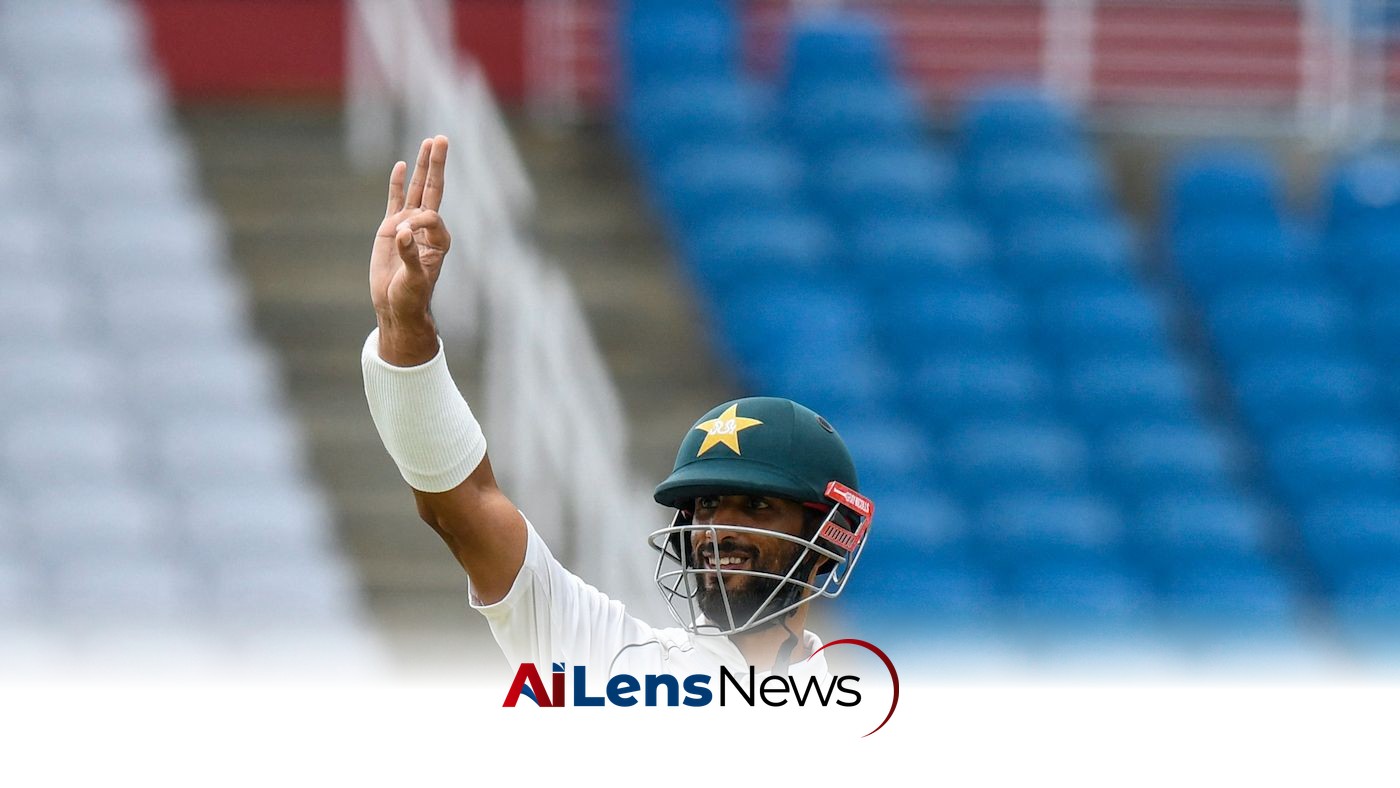


Shan Masood, the former Pakistan captain, played through pain after suffering a finger fracture during the match, impacting his usual batting position.
New Delhi, India Jul 28, 2026 ALN: In a remarkable display of determination, Shan Masood, the former captain of the Pakistan team, continued to bat for his side despite suffering a finger fracture. The injury occurred during his innings on day three of the match, raising concerns about his ability to contribute further. This incident has drawn attention not only for the physical toll it takes on players but also for the psychological resilience required to perform at such a high level under duress.
Masood did not take the field on the fourth morning, which indicated the severity of his injury. His absence from the field was a significant loss for the team, as he typically bats at the crucial No. 3 position. This position is often regarded as one of the most important in , as it is where a player can stabilize the innings after the loss of an early wicket. However, his resolve to return to the crease showcased his commitment to the team and the game, embodying the spirit of sportsmanship and dedication that is often celebrated in the world of sports.
The injury to Masood not only affected his personal performance but also had implications for the team's strategy. Batting at No. 3 is a pivotal role, often setting the tone for the innings. A player in this position is expected to have a good technique, strong temperament, and the ability to rotate the strike while also playing aggressively when necessary. Masood's decision to continue batting, despite the pain, speaks volumes about his character and leadership. It is not just about personal glory; it is about the collective effort of the team and the desire to contribute to a successful outcome.
In , injuries can significantly alter the dynamics of a match. When a key player is sidelined, it forces the team management to rethink their game plan. In Masood's case, his absence would have prompted the coaching staff to consider changes in the batting order, possibly promoting a less experienced player to take on the crucial No. 3 position. This can be a gamble, as the new batsman may not have the same level of experience or skill to handle the pressure that comes with that role.
Moreover, the psychological implications of such injuries can be profound. Athletes must grapple not only with their physical limitations but also with the mental strain of playing under less than optimal conditions. The fear of further injury can weigh heavily on a player’s mind, potentially impacting their performance. Masood’s decision to push through the pain illustrates not only his physical toughness but also his mental fortitude, qualities that are often revered in sports.
With Masood's injury, the team had to adjust its lineup and strategy. The coaching staff and players rallied around him, demonstrating the camaraderie and support that is essential in high-pressure situations. This incident highlights the physical and mental challenges athletes face, especially in a sport as demanding as , where mental fortitude is just as important as physical ability. The psychological impact of playing through injury can be profound, as athletes must balance their desire to perform with the risk of exacerbating their injuries.
Moreover, the response from Masood's teammates and the coaching staff illustrates the strong bond that exists within the team. In , as in many sports, the atmosphere in the dressing room can significantly affect performance on the field. Players often draw strength from one another, and Masood's determination to play through pain could serve as a rallying point for the team, inspiring others to elevate their game in his absence. The shared experience of facing adversity can foster a sense of unity among players, enhancing team morale.
As the match progresses, the focus will be on how Masood manages his injury and whether he can continue to contribute effectively. His performance will be closely monitored, and fans are hopeful that he can overcome this setback. The medical team will likely be assessing the injury continuously, weighing the risks of further participation against the potential for long-term damage. The decision to allow Masood to play on despite the injury will involve careful consideration of his pain threshold and the overall health of the player.
In conclusion, Shan Masood's ability to bat through adversity not only exemplifies his personal grit but also serves as an inspiration for his teammates and fans alike. The ing community will be watching closely as he navigates this challenging situation. His actions could influence the team's morale and performance in the ongoing match, and they may also set a precedent for how players approach injuries in the future. The narrative of sports is often filled with stories of resilience, and Masood's situation is a testament to the enduring spirit of athletes who strive to overcome obstacles, both physical and mental, in pursuit of excellence.
This incident also raises broader questions about the management of player injuries in professional sports. As the intensity of competition increases, so does the pressure on athletes to perform, often leading them to play through pain or injury. This can have long-term implications for their health and careers, making it essential for teams to have robust medical protocols in place. The balance between competitive spirit and player welfare is a delicate one, and incidents like Masood's highlight the need for ongoing discussions about how best to support athletes in their careers while prioritizing their health and well-being.
In the context of , where the physical demands of the game can lead to a variety of injuries, the management of player health has become a critical focus for teams and governing bodies. The increasing awareness of sports science and player welfare has led to the implementation of more sophisticated training regimens and recovery protocols. Teams are now more equipped to assess injuries and make informed decisions about player participation, often relying on a combination of medical expertise and player input.
Furthermore, the evolving role of technology in sports medicine cannot be overlooked. Advances in imaging technology, data analytics, and wearable devices have provided teams with better tools to monitor player health and performance. These innovations allow for real-time assessments of player conditions, enabling quicker responses to injuries and more tailored rehabilitation programs. As a result, players like Masood may have more support than ever in navigating the challenges of injuries and maintaining their competitive edge.
Ultimately, the story of Shan Masood's finger fracture is not just about one player's struggle but reflects the larger narrative of resilience and determination in sports. It serves as a reminder of the physical and mental challenges athletes face and the importance of support systems within teams. As fans and analysts continue to follow Masood's journey, his experience will undoubtedly contribute to the ongoing conversation about how to balance the demands of professional sports with the well-being of the athletes who dedicate their lives to the game.
To learn more about the latest developments in Cricket, stay updated with our exclusive reports and analyses on AiLensNews.

