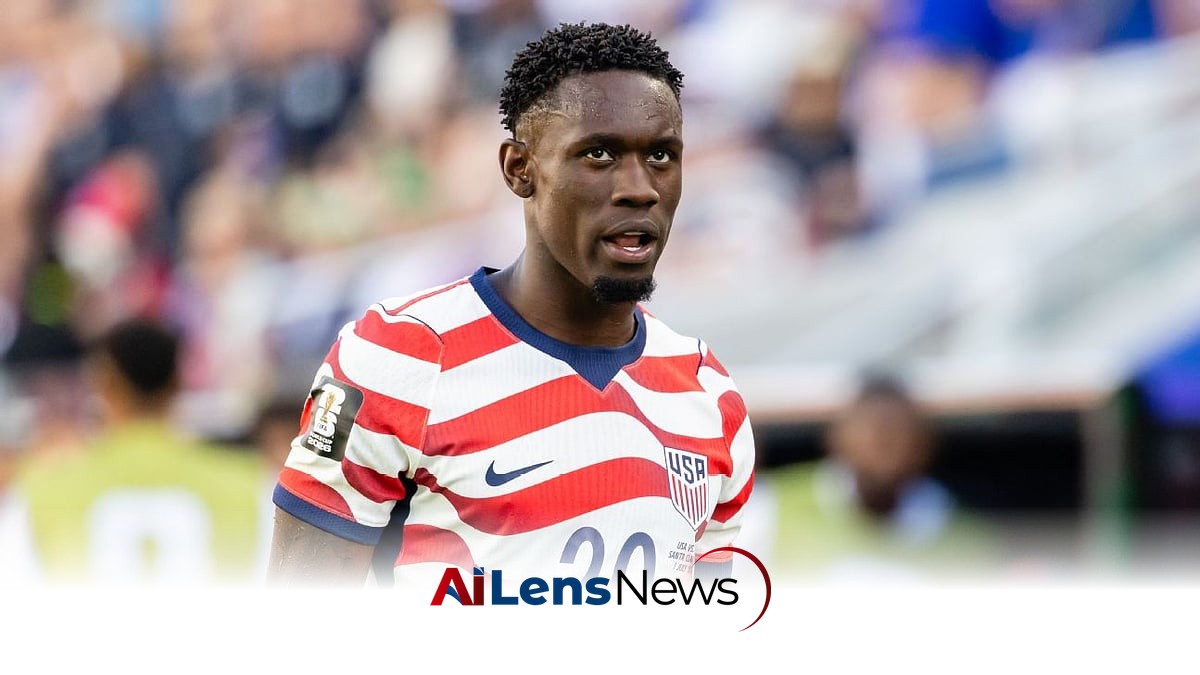


Norway Football Federation seeks FIFA ethics review after Balogun's suspension was lifted amid alleged political interference.
New Delhi, India Jul 24, 2026 ALN: New Delhi: Norway Football Federation (NFF) president Lise Klaveness has announced plans to seek her board’s approval to lodge a complaint with FIFA’s ethics committee regarding the governing body’s controversial decision to suspend USA forward Folarin Balogun’s automatic one-match ban during the FIFA World Cup 2026.
Folarin Balogun, who has emerged as a prominent figure in American soccer, received a red card during the United States’ Round of 32 victory over Bosnia and Herzegovina. This disciplinary action triggered an automatic suspension for the subsequent Round of 16 clash against Belgium, a match that holds significant stakes in the tournament. However, in a surprising turn of events, FIFA invoked Article 27 of its Disciplinary Code to suspend the one-match ban for a probationary period of one year, thus allowing the striker to be available for selection in the knockout stages of the tournament.
This decision has drawn widespread criticism from various stakeholders within the football community, particularly following reports that US President Donald Trump intervened by contacting FIFA president Gianni Infantino before the sanction was lifted. Such intervention has raised questions about the integrity of the decision-making process within FIFA and whether political influence is compromising the fairness of sporting regulations.
The NFF had previously lodged a formal complaint after Infantino awarded FIFA’s inaugural Peace Prize to Trump, highlighting ongoing tensions between FIFA and various national football associations regarding governance and ethical standards. Klaveness now believes that the Balogun incident warrants examination by FIFA’s ethics committee. “I will bring it to a board meeting and discuss with my board, and then we do it. To me, it should be in the same sphere of ethical complaint,” Klaveness stated, emphasizing the need for accountability in FIFA’s actions.
Expressing concern over the implications of FIFA’s decision, Klaveness stated, “When you bend a rule like this, you’re on a slippery slope that will put the whole game at risk. It is a worry for the game when you compromise fundamental rules of the game.” This statement reflects a growing sentiment among many in the football community who fear that such decisions could set a dangerous precedent, undermining the integrity of the sport.
Klaveness has called for FIFA to publicly acknowledge the mistake, arguing that transparency is crucial for restoring faith in the organization. “We need our leader in FIFA to say that this was an error. If you start to adapt in such a way towards state leaders and state politics, you will move your behaviour and the organisation’s behaviour, and also the red line of what states’ leaders should interfere with,” she said. Her comments underline the importance of maintaining a clear boundary between sports governance and political influence, a principle that is essential for the integrity of international competitions like the World Cup.
The implications of FIFA’s decision extend beyond the immediate context of the World Cup. If FIFA is perceived as being susceptible to political pressure, it could lead to a loss of confidence among fans, players, and member associations. Such a scenario could have far-reaching consequences for the organization, potentially affecting its sponsorship deals, fan engagement, and overall reputation in the global sports community.
This incident also raises broader questions about the governance of international sports organizations. FIFA has faced criticism in the past for its handling of various controversies, including allegations of corruption and mismanagement. The Balogun case adds another layer to the ongoing discourse about the need for reform within FIFA, particularly in relation to its ethical standards and decision-making processes.
As the NFF prepares to file its complaint, it is important to consider the potential outcomes of such actions. If FIFA’s ethics committee takes up the case, it could lead to a review of the decision regarding Balogun’s suspension and perhaps even a reassessment of FIFA’s disciplinary code. This could set a precedent for how similar cases are handled in the future, potentially leading to stricter enforcement of rules and regulations.
Moreover, the situation might encourage other national federations to scrutinize FIFA’s decisions more closely, leading to increased oversight and accountability within the organization. Such a shift could benefit the sport in the long run by ensuring that all players and teams are held to the same standards, regardless of their political connections or influence.
In related news, India edged Malta in the Commonwealth Games bowls opener, showcasing the competitive spirit and talent present in international sports beyond football. The juxtaposition of these events highlights the diverse landscape of global athletics, where different sports face their own unique challenges and triumphs. As the world of sports continues to evolve, the importance of ethical governance remains a critical topic that resonates across all disciplines.
To understand the broader implications of this controversy, it is essential to consider the historical context of FIFA's governance and its relationship with political entities. FIFA has long been criticized for its lack of transparency and accountability, particularly in the wake of various scandals, including the infamous corruption scandal that led to the indictment of several high-ranking officials in 2015. This history of mismanagement and ethical breaches has created an environment of skepticism among stakeholders, prompting calls for reform and greater oversight.
The Balogun incident is not an isolated case; it reflects ongoing tensions between sports organizations and political influences. The intersection of sports and politics has always been a contentious area, with instances of political figures attempting to leverage sports for their own agendas. The influence of political leaders in sports governance raises ethical questions about the autonomy of sports organizations and their ability to operate free from external pressures.
Furthermore, the decision to lift Balogun's ban could have a ripple effect on future disciplinary actions within FIFA. If players and teams believe that political intervention can alter outcomes, it may lead to a culture of impunity where rules are bent or ignored based on external influence. This could undermine the competitive integrity of the sport, as teams may feel compelled to engage in similar tactics to gain an advantage.
The response from the NFF and other federations could also signal a shift in how national associations engage with FIFA. With increasing scrutiny on FIFA's decision-making processes, federations may become more vocal in challenging decisions that they perceive as unjust or influenced by politics. This could lead to a more proactive approach among member associations, advocating for reforms that prioritize ethical governance and accountability.
In conclusion, the controversy surrounding Folarin Balogun's ban reversal is a significant moment for FIFA and the global football community. It highlights the ongoing challenges of maintaining integrity in sports governance amidst political pressures. As the NFF prepares to file its complaint, the outcome of this situation could have lasting implications for FIFA's reputation, the relationship between sports and politics, and the future of ethical standards in international sports organizations. The football community is watching closely as this story unfolds, and the actions taken by FIFA in response to these concerns will be critical in shaping the future landscape of the sport.
To learn more about the latest developments in Golf, stay updated with our exclusive reports and analyses on AiLensNews.

