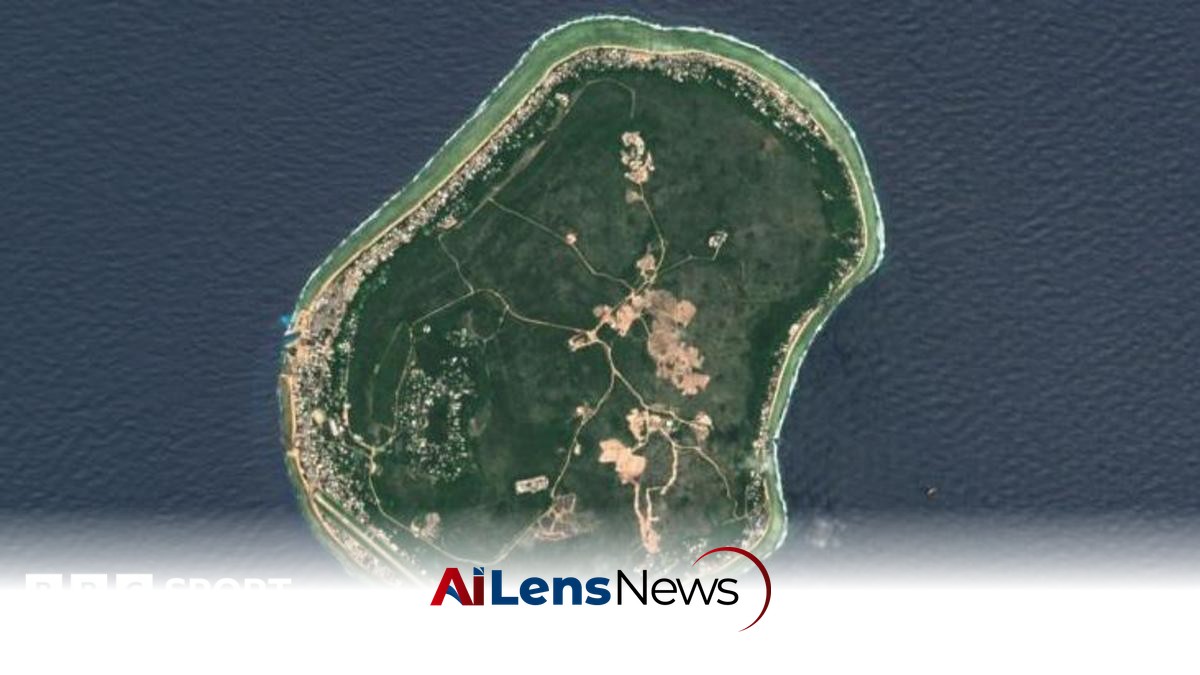


Nauru, the only nation yet to play an official international match, is making strides towards introducing the to its youth.
New Delhi, India Jul 21, 2026 ALN: Nauru, the world’s smallest island nation, is on the brink of a revolution. For decades, this Pacific island has been known for its absence from the international scene, never having fielded a team in an official match. However, recent efforts led by volunteers are aiming to change this narrative.
As the excitement of the World Cup fades, the interest in Nauru remains largely dormant. Despite children wearing jerseys of global stars like Lionel Messi and Cristiano Ronaldo, actual participation in soccer has been minimal. The island has just one hard sand pitch, and attempts to engage the community in soccer have often been met with skepticism, favoring Australian rules instead.
A group of volunteers, spearheaded by British former academy player Charlie Pomroy, is working to introduce soccer to the island. Nauru, once the richest nation per capita due to its phosphate mining, now faces significant challenges, including high obesity rates and reliance on foreign aid. Pomroy and his team are determined to lay the groundwork for a soccer culture on the island, which could foster not only athleticism but also community spirit and health awareness.
The Nauru Soccer Federation recently expressed its aspirations through social media, stating, "one day we hope to be in Spain's position." While this may seem ambitious, the groundwork is being established to make it a reality. The federation's vision reflects a growing desire among Nauruans to engage with the global community and harness the benefits that come from such participation.
Nauru's complicated history has contributed to its lack of participation in international s. The island, located 2,500 miles northeast of Australia, was once rich in phosphate deposits but has suffered from extensive mining, leaving much of its land uninhabitable. The population of around 12,000 is now concentrated along the coast, with limited space for activities. This geographical limitation complicates the establishment of s facilities and infrastructure necessary for fostering a vibrant soccer culture.
With over 90% of food imported and a significant portion of the population classified as obese, the need for healthier lifestyle choices is paramount. Soccer could serve as a catalyst for change, promoting physical activity and community engagement. The 's global nature also presents an opportunity for Nauruans to connect with the international community, potentially leading to increased tourism and economic development.
Nauru is set to host the Micronesian Games in 2028, providing an opportunity to showcase its commitment to soccer development. This event could serve as a platform for Nauru to demonstrate its growing capabilities and aspirations in the realm of s. Pomroy emphasizes the importance of changing the island's image and fostering a sense of community through soccer. He believes that engaging the youth in s can instill values of teamwork, discipline, and resilience.
The volunteers have launched a campaign to provide every child aged four to 14 with a soccer ball, aiming to distribute approximately 2,000 balls across the island. This initiative is supported by local churches and schools, ensuring that the soccer outreach reaches the youth effectively. By equipping children with the necessary tools to play, the volunteers hope to inspire a new generation of athletes and soccer enthusiasts.
Previous attempts to introduce soccer have often been short-lived, focusing on one-off matches rather than sustainable development. Pomroy advocates for a cultural shift, emphasizing the need to build a soccer ecosystem on the island. His vision includes nurturing young talent, with hopes that Nauru's first official international match will feature players who have grown through the local system. Plans are in place to establish coaching programs and training camps to ensure continuity and growth.
The establishment of coaching programs is crucial, as it will provide local players with the skills and knowledge necessary to compete at higher levels. Engaging former players and coaches from abroad as mentors could also enhance the quality of training and provide invaluable insights into the 's technical aspects.
Despite the challenges, including limited playing fields and logistical issues, the enthusiasm for soccer is palpable. Pomroy and his team are committed to overcoming these hurdles, focusing on community involvement and long-term engagement. Their grassroots approach aims to build a solid foundation for the , ensuring that it is not just a fleeting trend but a lasting part of Nauruan culture.
As other Pacific nations embrace soccer, Nauru's journey towards participation in the global community is just beginning. The island's unique challenges, including its geographical isolation and economic difficulties, make this an ambitious endeavor. However, with a dedicated group of volunteers and a growing interest in the , the dream of seeing Nauru on the international stage may soon become a reality.
In conclusion, Nauru's quest to join the global soccer community is a reflection of the island's desire to redefine its identity and foster a healthier, more active population. While the road ahead may be fraught with obstacles, the commitment of volunteers like Charlie Pomroy and the aspirations of the Nauru Soccer Federation signal a new era for this small island nation. As they work to create a sustainable soccer culture, Nauru may not only find its place in the world of s but also inspire other small nations to pursue their dreams on the international stage.
The efforts to promote soccer in Nauru are not just about the itself; they have broader implications for the island's social fabric and economic future. Engaging youth in s can lead to improved mental health, reduced crime rates, and enhanced community cohesion. As children and young adults participate in soccer, they develop skills that are transferable to other areas of life, such as leadership, teamwork, and perseverance.
Furthermore, with the global popularity of soccer, Nauru's involvement could attract attention from international organizations and sponsors. This could lead to investment in local infrastructure, not just for soccer but for other s and community activities as well. Improved facilities could enhance the quality of life for residents and create new opportunities for tourism, as visitors may be drawn to the island for its emerging s culture.
As Nauru strives to develop a soccer culture, it also has the potential to foster national pride. The success of local teams and players could unite the community and instill a sense of identity and belonging among Nauruans. This pride could extend beyond s, influencing other sectors such as education, health, and governance, as citizens rally around a common goal of improvement and representation on the global stage.
Nauru’s journey to join the global soccer community is emblematic of the island's broader aspirations for growth, health, and connection. With a dedicated group of volunteers and the support of the Nauru Soccer Federation, the groundwork is being laid for a vibrant soccer culture that could transform the island's identity. The implications of this movement extend far beyond the pitch, potentially leading to improved health, community cohesion, and economic development. As Nauru navigates the challenges ahead, its commitment to soccer could serve as a beacon of hope and inspiration for other small nations seeking to carve out their place in the global arena.
To learn more about the latest developments in Football (Soccer), stay updated with our exclusive reports and analyses on AiLensNews.

