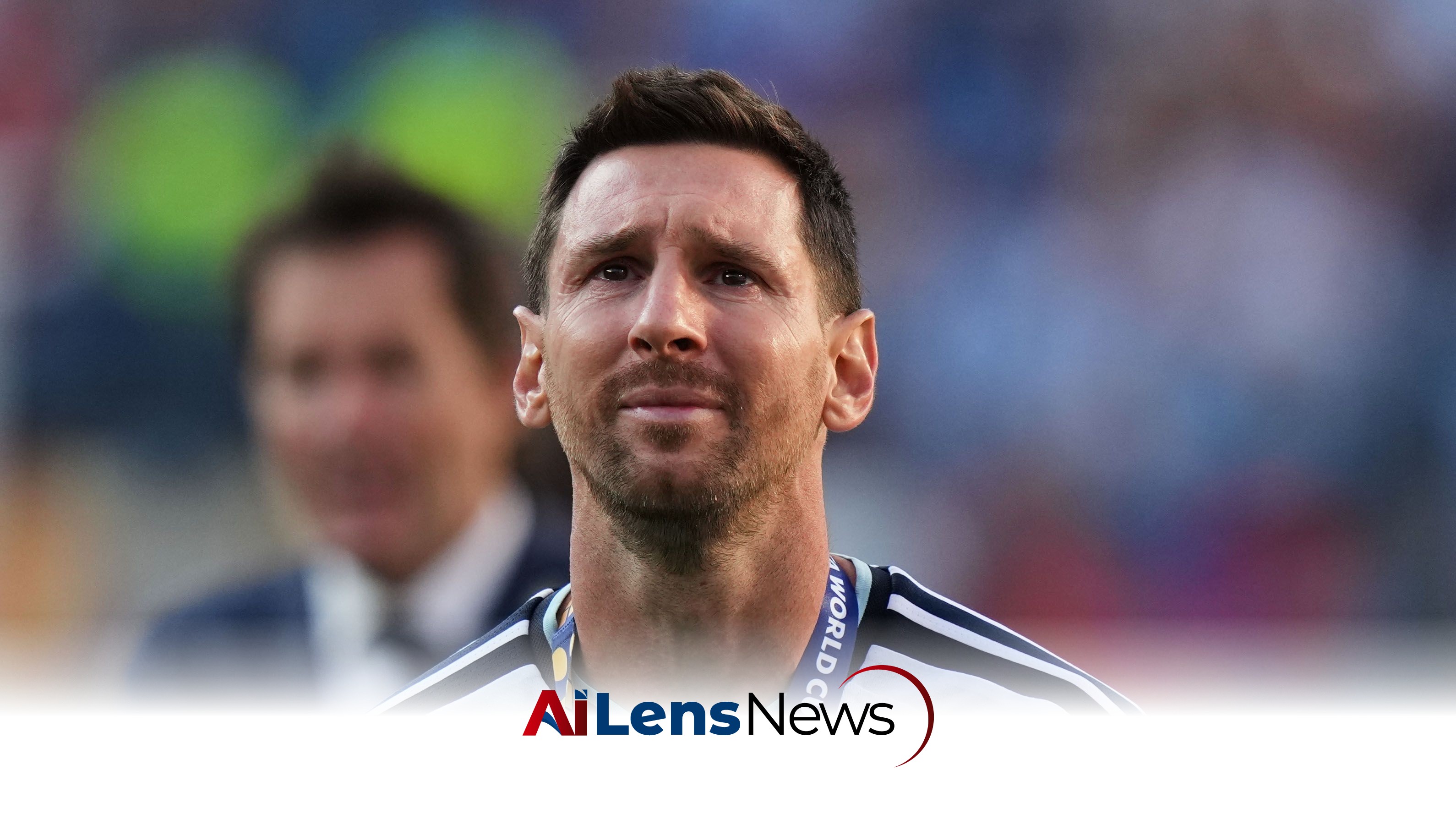


Lionel Messi was left in tears after Argentina's 1-0 defeat to Spain in the FIFA World Cup 2026 final, marking a painful end to his World Cup journey.
New Delhi, India Jul 20, 2026 ALN: Football legend Lionel Messi was left in tears after Argentina suffered an extra-time defeat to Spain in the FIFA World Cup 2026 final on Monday. This match, held in front of a packed stadium filled with passionate fans from around the world, marked a significant moment not only in the careers of the players involved but also in the history of international football. The World Cup final is often regarded as the pinnacle of the sport, showcasing the best of the best, and this year was no exception.
Argentina went down 1-0 to Spain after extra time, falling just short of defending their world title. The match was highly anticipated, with both teams boasting a rich footballing history and a legacy of success on the world stage. Argentina, led by Messi, had entered the tournament as the defending champions, having won their first World Cup title since 1986 in Qatar just four years prior. Meanwhile, Spain, whose last World Cup victory came in 2010, was eager to reclaim their position among football's elite. The stakes were high, not only for the players on the pitch but also for the millions of fans who had invested their hopes and dreams into this tournament.
Messi, who has most likely played his final FIFA World Cup in Argentina colors, was visibly emotional after the final whistle as his dream of ending his World Cup career with another title came to an end. Throughout the tournament, Messi showcased his extraordinary skill and leadership, guiding his team through the group stages and knockout rounds. His performance not only inspired his teammates but also captivated millions of fans worldwide, who have followed his illustrious career since he burst onto the scene as a teenager. Messi's journey in international football has been marked by both triumph and disappointment, and this final was a poignant chapter in his storied career.
Substitute Ferran Torres scored in the second period of extra time against a 10-man Argentina side to seal Spain's victory and secure La Roja's second FIFA World Cup title. The goal came as a result of a well-executed counter-attack, highlighting Spain's tactical prowess and ability to capitalize on opportunities. The match had been tightly contested, with both teams creating chances but unable to find the back of the net until Torres's decisive strike. The red card issued to an Argentine player earlier in the match had left Argentina at a numerical disadvantage, complicating their efforts to maintain defensive solidity and mount an effective attack. This moment not only underscored the importance of discipline in high-stakes matches but also showcased the tactical acumen of the Spanish side, who managed to exploit their advantage effectively.
The implications of this loss are profound for Messi and the Argentine national team. With the defeat, Messi has now lost two of the three FIFA World Cup finals he has played, having also finished on the losing side against Germany in the 2014 final. This statistic adds a layer of heartbreak to an otherwise stellar career, as Messi's quest for World Cup glory has been a defining narrative in his journey as one of the greatest players in football history. Despite his numerous accolades at the club level, including multiple UEFA Champions League titles and domestic league championships, the World Cup has remained elusive for him until now. The emotional weight of this loss may linger for Messi, who has dedicated his life to the sport, and the disappointment felt by fans around the world is palpable.
Following the match, Messi's emotional reaction resonated with fans and analysts alike. Many commentators reflected on the impact of this defeat not just on Messi, but on the entire Argentine team, who had rallied around their captain throughout the tournament. The camaraderie and spirit displayed by the squad were evident, and their journey to the final was marked by resilience and determination, qualities that have come to define Argentine football. This loss may serve as a catalyst for the team to regroup and reassess their strategies moving forward, potentially leading to a renewed focus on developing younger talent to carry the torch in the future.
As Messi contemplates his future, the footballing world is left to ponder the legacy he leaves behind. His influence on the game is undeniable, and his contributions to Argentine football have solidified his status as a national hero. The emotional weight of this loss may linger for some time, but Messi's impact on the sport will continue to be felt long after he hangs up his boots. His journey has inspired countless young players, and his style of play has influenced football tactics across the globe. The narrative of Messi's career is one of brilliance, and while this loss is a significant moment of heartbreak, it does not overshadow his remarkable achievements.
Spain's victory, on the other hand, marks a resurgence for their national team, which has undergone a transformation in recent years. After a period of rebuilding and integrating younger talent, this World Cup win serves as a testament to their development and strategic planning. The Spanish side displayed a blend of experience and youth throughout the tournament, with players like Torres stepping up in crucial moments to deliver when it mattered most. This victory not only boosts the morale of the team but also revitalizes the fanbase, reminding them of Spain's storied footballing tradition.
The implications of this victory extend beyond the immediate joy of winning the World Cup. It revitalizes Spanish football, which has faced challenges in recent years, and positions them as a formidable force in international competitions moving forward. The coaching staff and players will likely use this momentum to build towards future tournaments, including the next UEFA European Championship and the 2028 World Cup. This victory could also influence the way Spanish clubs approach player development, emphasizing the importance of nurturing young talent to ensure sustained success on the international stage.
As for Argentina, the road ahead will require reflection and rebuilding. The team will need to assess their performance in the tournament, learn from their experiences, and look towards the next generation of players who can carry on Messi's legacy. The transition period may be challenging, but Argentina has a rich history of producing world-class talent, and there is hope that they can rise again in future competitions. The focus may shift towards integrating younger players into the squad and fostering a competitive environment that encourages growth and development.
In conclusion, the 2026 FIFA World Cup final will be remembered not only for the thrilling match between Argentina and Spain but also for the poignant narrative surrounding Lionel Messi. As he faces the possibility of retirement from international football, his contributions to the sport will remain etched in the hearts of fans and players alike. The journey of both teams serves as a reminder of the highs and lows of football, where triumph and heartbreak often coexist in the beautiful game. The legacies of both Messi and the Spanish national team will continue to shape the future of football, influencing generations to come.
To learn more about the latest developments in Basketball, stay updated with our exclusive reports and analyses on AiLensNews.

