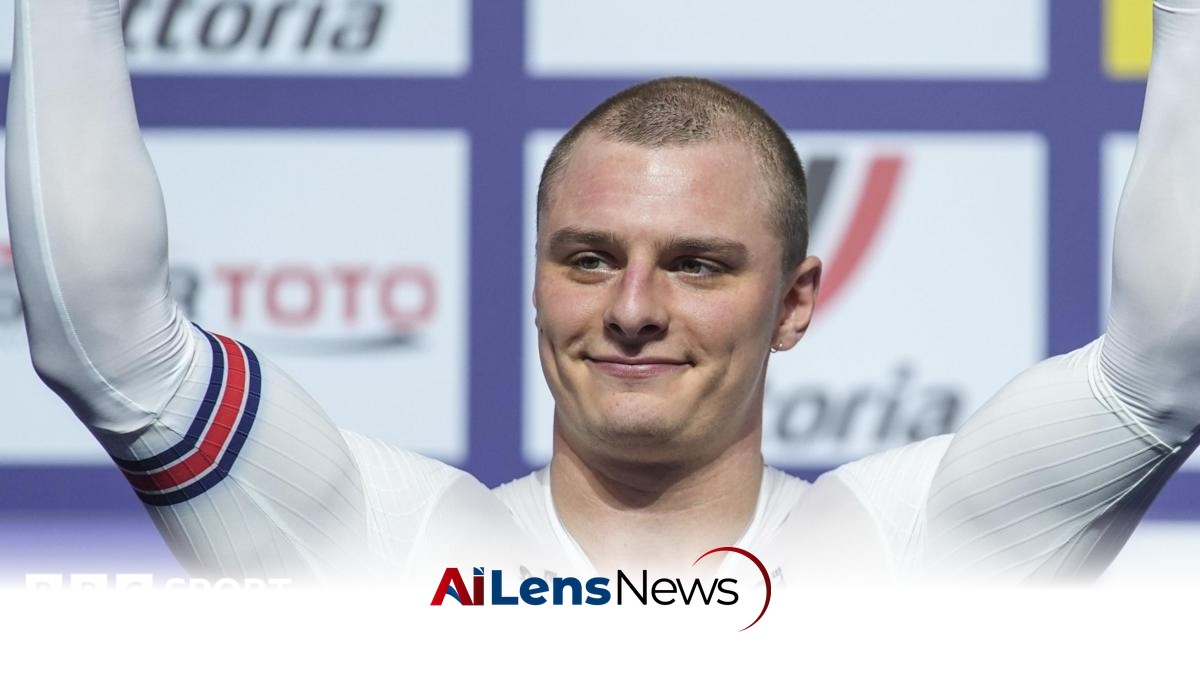


Matt Richardson, England's Olympic silver medalist, is ruled out of the Commonwealth Games due to injury, missing a highly anticipated competition.
New Delhi, India Jul 29, 2026 ALN: England's Olympic silver medalist Matt Richardson has been ruled out of the Commonwealth Games in Glasgow with injury, denying the event one of its most intriguing subplots.
Richardson, 27, controversially switched allegiance to England days after winning two silvers for Australia at the Paris Olympics in 2024. This decision has not only sparked discussions about national identity in s but also raised questions about the implications of athlete transfers between countries, especially in the context of the Commonwealth Games, where national pride and representation are paramount.
The athlete's switch was particularly notable given the timing and the context surrounding it. After achieving significant success with the Australian team, including two silver medals, Richardson's move to represent England was met with mixed reactions. Some viewed it as a betrayal, while others understood it as a strategic decision aimed at maximizing his potential in a highly competitive environment, where competition is fierce, and support systems can vary significantly between countries.
Richardson has since described the Australian program as "like high school" and the British program as "like Hogwarts," illustrating his perception of the differences in resources, training environments, and overall athlete support. His comments reflect a broader trend in professional s where athletes often seek environments that offer better financial backing, training facilities, and coaching expertise. This shift highlights the increasing importance of athlete welfare and development in elite s.
The Commonwealth Games, which take place every four years, bring together athletes from across the Commonwealth of Nations, fostering a spirit of camaraderie while also igniting fierce national rivalries. The event is not only a platform for showcasing athletic talent but also a celebration of cultural diversity and shared history among participating nations. Richardson's absence from this prestigious event is a significant loss, as he would have been one of the main medal contenders on the track, planning to race in the team sprint, keirin, and sprint events.
Former Australia teammate Leigh Hoffman, meanwhile, has publicly expressed the sentiments of some of Richardson's former compatriots, stating that they "want me to smash him." This statement underscores the competitive spirit that exists not only within teams but also between nations, particularly in events like the Commonwealth Games, where rivalries can intensify. Such comments can add an extra layer of drama to competitions, as athletes face not only the pressure of performance but also the weight of national expectations and rivalries.
Richardson, who was born in Maidstone, Kent, but moved to Australia at the age of nine and maintained dual citizenship, has become a symbol of the complexities of national representation in s. His background allows him to navigate both Australian and British ing landscapes, and his decision to compete for England has opened discussions about the nature of national identity in s. Athletes with dual citizenship often face unique challenges, balancing their heritage with their professional aspirations. This situation raises important questions about loyalty, identity, and the motivations behind athletes' decisions to switch allegiances.
Had he competed in Glasgow, Richardson's presence would have not only enhanced the competition but also added a compelling narrative to the event. The Commonwealth Games thrive on showcasing the best talents from across the Commonwealth, and Richardson's story, marked by a controversial switch and subsequent success, has captured the attention of the ing world. His performances at previous competitions, including winning two silver medals in sprint and team sprint at the 2025 Track World Championships, have solidified his status as a top competitor in track .
Additionally, beating Olympic champion Harrie Lavreysen to win the European sprint and keirin titles further demonstrated Richardson's capabilities and potential for future success. These achievements have made him a prominent figure in the community, and his absence will be felt not only by his team but also by fans who have followed his journey. The Commonwealth Games serve as an important platform for athletes, providing them with the opportunity to compete at a high level and gain international recognition.
However, Richardson's journey took a sudden turn following an injury sustained during a crash at the recent World Series keirin event in Japan. The nature of track , particularly in sprint events, often involves high speeds and intense competition, making injuries a common risk. Such injuries can have significant implications for an athlete's career, especially when they occur close to major competitions. Recovery times can vary, and the mental and physical toll of an injury can affect an athlete's performance and confidence.
In light of Richardson's injury, he will be replaced by Harry Radford, who will contest the sprint events on his Commonwealth Games debut. Radford's entry into the competition represents an opportunity for a new athlete to shine on a significant stage. His performance could not only impact his own career trajectory but also influence the dynamics of the events in which he competes. The Commonwealth Games often serve as a launching pad for athletes, providing them with exposure and experience that can be invaluable in their future endeavors.
As the Commonwealth Games approach, the absence of Richardson will be felt by both fans and fellow competitors. His story, marked by a controversial switch and subsequent success, has captured the attention of the world. The implications of his injury extend beyond just his personal journey; they reflect the unpredictable nature of s and the myriad factors that can influence an athlete's career. The event will continue to showcase the talents of other athletes, but the narrative surrounding Richardson's absence will undoubtedly linger, prompting discussions about national allegiance, athlete welfare, and the future of competitive s.
In conclusion, while the Commonwealth Games will proceed without Matt Richardson, the discussions his situation has sparked about national identity and athlete representation will likely continue to resonate within the ing community. As athletes navigate their careers, the balance between national pride and personal ambition will remain a critical aspect of their journeys, influencing decisions that can have lasting impacts on their careers and the s they represent.
To learn more about the latest developments in Cycling, stay updated with our exclusive reports and analyses on AiLensNews.

