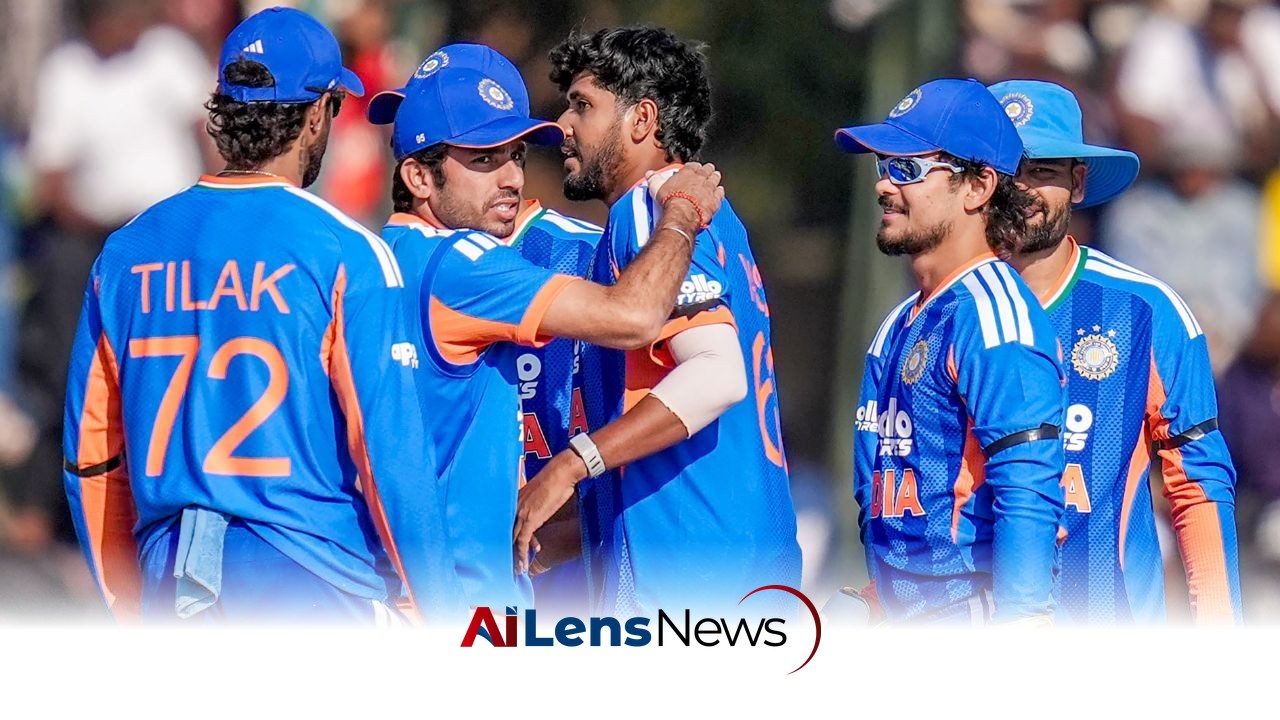


Ahead of the third T20I, India's interim batting coach Hrishikesh Kanitkar urged young cricketers to trust their strengths and adapt to conditions, praising the fearless approach of the opening pair.
New Delhi, India Jul 26, 2026 ALN: Harare: India’s interim batting coach Hrishikesh Kanitkar emphasized the importance of authenticity for young cricketers competing for spots in the senior men’s team. He urged them to trust their strengths and avoid trying to emulate others. The advice comes as the Indian team prepares for the third T20I match, where the performance of young players will be closely scrutinized as they vie for positions in a competitive national setup.
“Yes, there are a lot of people competing. And what’s important is the basic fact that each player, if he wants to stake a claim to playing for India and staying there, needs to be himself. He can’t be trying to be like somebody else,” Kanitkar stated in a pre-game chat. This sentiment is particularly relevant in the current cricketing landscape, where young players often feel the pressure to replicate the success of established stars. The challenge lies in balancing inspiration from role models with the need to develop a unique playing style that reflects their own strengths and capabilities.
Kanitkar, who also heads the India U-19 men’s team, highlighted the transition in coaching philosophy from junior setups to the senior national side. “I’ve been with the under-19s for quite some time now, and it’s been very rewarding. Not just on the field, but off the field as well, because you can make a positive impact on a lot of upcoming players,” he said. His experience with the U-19 team has provided him with insights into the developmental stages of young cricketers, allowing him to identify the key areas that need focus as they transition to the senior level.
The U-19 setup in India has been a breeding ground for future stars, with many players making successful transitions to the senior team. The likes of Virat Kohli, Jasprit Bumrah, and Rishabh Pant are just a few examples of players who have graduated from this system. Kanitkar's role in nurturing talent at this level is crucial, as he helps shape the mindset and skills of players who may soon find themselves representing their country on a global stage. This nurturing process is essential in a sport where the mental aspect of the game often dictates success as much as technical proficiency.
On the technical front, Kanitkar noted that players at the senior level are expected to quickly adapt to diverse conditions due to their extensive experience. “They play a lot of cricket around the world in different conditions now. So technique is something that we look at when they are coming up the ranks. By this time, we want players to be able to adapt to conditions and adjust their techniques as needed,” he explained. The ability to adapt is particularly important in T20 cricket, where pitches and weather conditions can vary significantly from one venue to another, affecting the game’s dynamics. This adaptability is not just about technical skill; it also involves mental resilience and the capacity to remain calm under pressure.
The Indian cricket team has a rich history of success in T20 formats, but the competition is fierce, with many nations fielding strong teams that are capable of winning on any given day. As such, the emphasis on adaptability and technical proficiency becomes even more critical. Kanitkar's focus on these aspects is intended to equip young players with the tools they need to thrive in high-pressure situations. The fast-paced nature of T20 cricket means that players must be able to think on their feet and make quick decisions, which is a skill that can be cultivated through proper coaching and experience.
Praising the current young opening pair of Abhishek Sharma and Vaibhav Sooryavanshi, Kanitkar advised them to play with freedom and trust their skills. “Very good opening partnership. They just need to be themselves. They have all the shots they need, they have the mindset, they have the skill. They just need to express themselves,” he concluded. The partnership between Sharma and Sooryavanshi has garnered attention due to their aggressive playing style and ability to score quickly, which is crucial in the T20 format. Their performances will not only impact the outcome of the matches but could also play a significant role in shaping their careers.
Young players often face intense scrutiny, and their ability to handle pressure while remaining true to their style of play can determine their longevity in the sport. Kanitkar's encouragement for them to express themselves is indicative of a broader trend in modern cricket, where individuality and flair are increasingly celebrated. The shift towards valuing personal expression on the field reflects a changing attitude in the sport, where fans and analysts alike are looking for players who can entertain while also delivering results.
The significance of Kanitkar's role as a mentor cannot be understated, especially in a sport where mental fortitude is as important as technical skill. The transition from junior to senior cricket can be daunting, and having a coach who understands the challenges young players face can make a substantial difference. Kanitkar’s emphasis on self-belief and authenticity aims to instill confidence in these players, allowing them to perform to the best of their abilities. This mentorship is particularly valuable in high-stakes matches, where the pressure to perform can be overwhelming.
The implications of Kanitkar’s approach extend beyond the immediate context of the T20I series. As the cricketing world evolves, the need for players to develop a distinct identity becomes increasingly vital. This is particularly true in the T20 format, where crowd engagement and entertainment value are paramount. Players who can combine their unique skills with effective strategies are more likely to succeed, not just in terms of individual accolades but also in contributing to the team’s overall success. This focus on individuality also aligns with the increasing commercialization of cricket, where players are often seen as brands and their ability to connect with audiences can enhance their marketability.
In conclusion, as the Indian team gears up for the third T20I, the insights from Hrishikesh Kanitkar serve as a reminder of the importance of authenticity and adaptability in modern cricket. For young players like Abhishek Sharma and Vaibhav Sooryavanshi, the opportunity to showcase their talents on such a prominent stage is both a privilege and a challenge. With the right mindset and support from experienced coaches, they have the potential to make a lasting impact on Indian cricket, paving the way for future generations of players. The lessons learned from this series and the guidance provided by Kanitkar may well shape the future landscape of Indian cricket, as new talents emerge and redefine the standards of excellence in the sport.
To learn more about the latest developments in Cricket, stay updated with our exclusive reports and analyses on AiLensNews.

