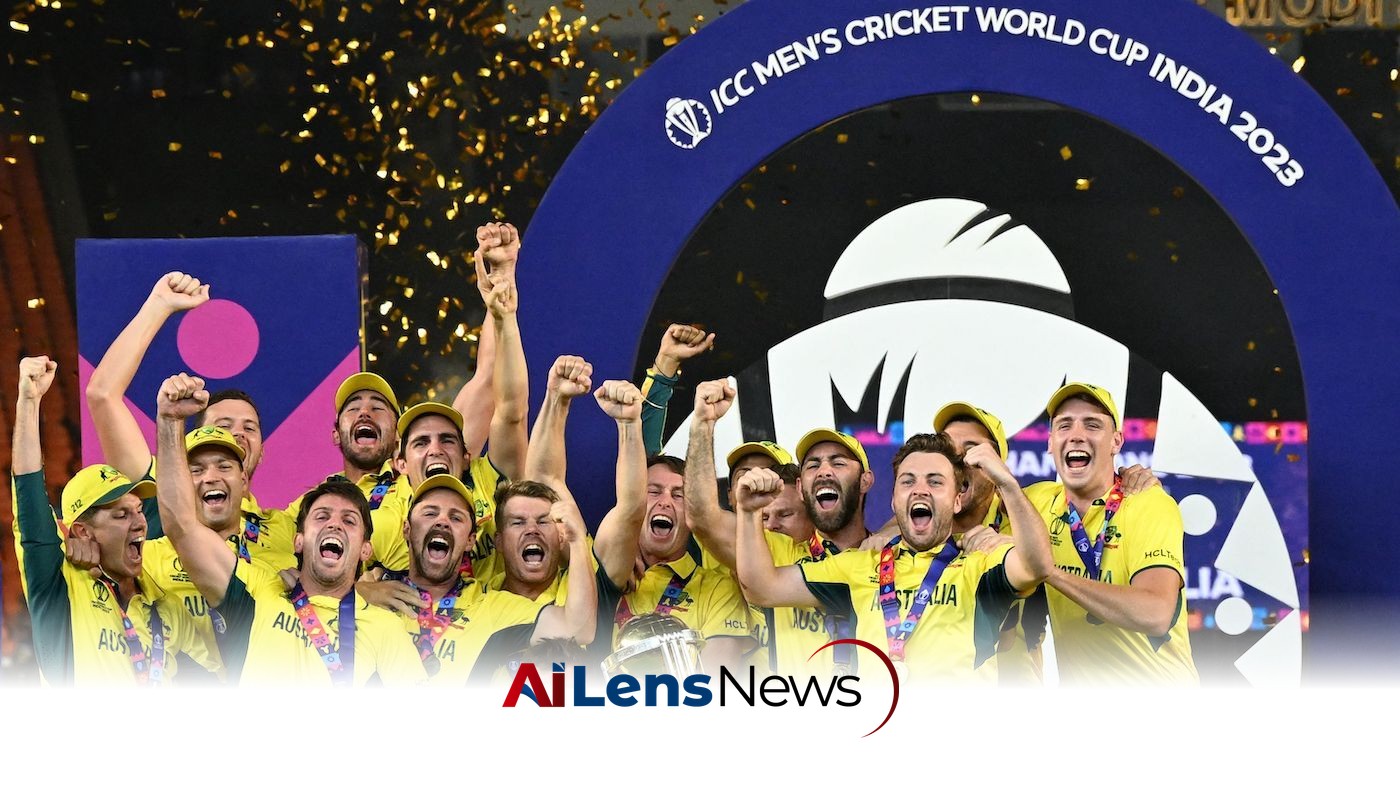


The ICC has announced a new structure for the 2027 ODI World Cup, featuring the Super Series and Super 7 formats to enhance competition.
New Delhi, India Jul 15, 2026 ALN: The International Council (ICC) has made a significant announcement regarding the structure of the 2027 ODI World Cup, unveiling a new format that aims to enhance the excitement and competitiveness of one of 's premier tournaments. This announcement, made on a Wednesday, marks a pivotal moment in the evolution of the World Cup, which has been a cornerstone of international since its inception in 1975. The World Cup has always been a stage where ing legends are born, and with these changes, the ICC hopes to create an even more thrilling environment for players and fans alike.
The ICC's revised structure introduces two key components: the Super Series and the Super 7 formats. These changes are designed to ensure that every match played in the tournament holds greater significance, thereby enriching the overall experience for both players and fans. The decision to implement these new formats comes after extensive consultations with stakeholders, including national boards, players, and broadcasters, all of whom emphasized the need for a more engaging tournament structure. This collaborative approach underscores the ICC’s commitment to listening to the ing community and adapting to their needs.
The Super Series will consist of a select number of teams competing in a round-robin format. This approach is intended to foster intense matchups and rivalries, which have historically been a driving force behind the popularity of . By allowing each team to compete against every other team in the Super Series, the ICC aims to keep fans engaged throughout the tournament, as each game will contribute to the overall standings and the teams' chances of advancing. This format is reminiscent of successful sporting tournaments in other disciplines, where round-robin stages have successfully built anticipation and excitement.
This round-robin stage will not only increase the number of matches played but also heighten the stakes of each encounter. Fans can expect to see some of the fiercest rivalries in history reignited during this phase, with teams vying for supremacy and a chance to secure their place in the knockout rounds. The ICC hopes that this format will lead to more competitive matches, as teams will need to consistently perform at their best to secure a favorable position. The potential for upsets will also be greater, as teams that may not be traditionally dominant can rise to the occasion, making for thrilling viewing.
Complementing the Super Series is the Super 7 format, which will see the top seven teams from the group stage advancing to a knockout phase. This structure is reminiscent of other major sporting tournaments, where the best teams compete in high-stakes elimination matches leading up to the final. The inclusion of a knockout phase is expected to generate heightened drama and excitement, as each match will be do-or-die for the participating teams. This format is designed to create an atmosphere where every run scored and every wicket taken could potentially determine the fate of a team’s World Cup journey.
The knockout phase will culminate in a thrilling final, where the two best teams will battle it out for the coveted ODI World Cup trophy. This format not only ensures that the best teams have a chance to compete for the title but also allows for unexpected outcomes, as knockout matches can often lead to upsets and dramatic finishes. Fans can look forward to the possibility of underdog teams making deep runs in the tournament, adding to the unpredictability and excitement of the World Cup. The ICC's hope is that this format will create memorable moments that will be talked about for years to come.
ICC officials have expressed that these changes are intended to "enhance consequence" in the tournament, making each match more critical to the teams' success. The organization believes that by increasing the stakes of each game, they can attract more viewers and generate greater interest in the ODI format, which has faced competition from the shorter T20 format in recent years. The ICC's commitment to evolving the ODI format is a recognition of the changing landscape of , where fans are increasingly drawn to fast-paced, high-octane matches. This evolution is crucial for the survival and growth of the ODI format in a world where shorter formats are gaining popularity.
Furthermore, the ICC's decision to revamp the World Cup format comes in response to feedback from fans and analysts who have been calling for a more engaging tournament structure. The previous format, while successful, had its limitations, particularly in terms of maintaining viewer interest throughout the group stages. By introducing the Super Series and Super 7 formats, the ICC aims to address these concerns and create a tournament that captivates audiences from start to finish. The anticipation and excitement generated by each match can help to keep fans invested in the tournament, making them more likely to follow the entire event.
As continues to evolve, the ICC's innovative changes for the 2027 ODI World Cup reflect a commitment to improving the sport's appeal. The introduction of the new formats signals a proactive approach to ensuring that the World Cup remains relevant and exciting in a rapidly changing sporting landscape. The ICC is aware that to maintain 's position as a leading global sport, it must adapt to the preferences of modern audiences, who increasingly favor formats that deliver action and suspense. This understanding is crucial for the ICC as it seeks to attract a younger demographic that may be more inclined towards the shorter formats of the game.
Fans can anticipate a more dynamic and engaging tournament that promises to deliver unforgettable moments, from nail-biting finishes to stunning individual performances. The excitement surrounding the 2027 ODI World Cup is already palpable, with enthusiasts eagerly discussing the potential matchups and storylines that could unfold during the tournament. This buzz is indicative of the high expectations that fans have for the upcoming event, and the ICC will be keen to meet these expectations.
Moreover, the implications of these format changes extend beyond just the World Cup. They may influence how national teams approach their preparations and strategies leading up to the tournament. Teams may prioritize building strong squads capable of performing consistently across multiple matches, rather than focusing solely on individual game tactics. This shift could lead to a more competitive international landscape, where teams are better equipped to handle the pressures of high-stakes matches. The need for adaptability and resilience will become even more pronounced as teams navigate the challenges posed by the new format.
In conclusion, with the world eagerly anticipating these changes, the 2027 ODI World Cup is set to be a landmark event in the history of the sport. The ICC's commitment to innovation and improvement reflects a broader trend in sports towards creating more engaging and viewer-friendly formats. As the tournament approaches, fans and players alike will be watching closely to see how these new structures play out on the field, and how they may shape the future of ODI . The success of these changes could potentially set a precedent for future tournaments, influencing not only but also other sports as they seek to enhance their own competitive formats.
To learn more about the latest developments in Cricket, stay updated with our exclusive reports and analyses on AiLensNews.

