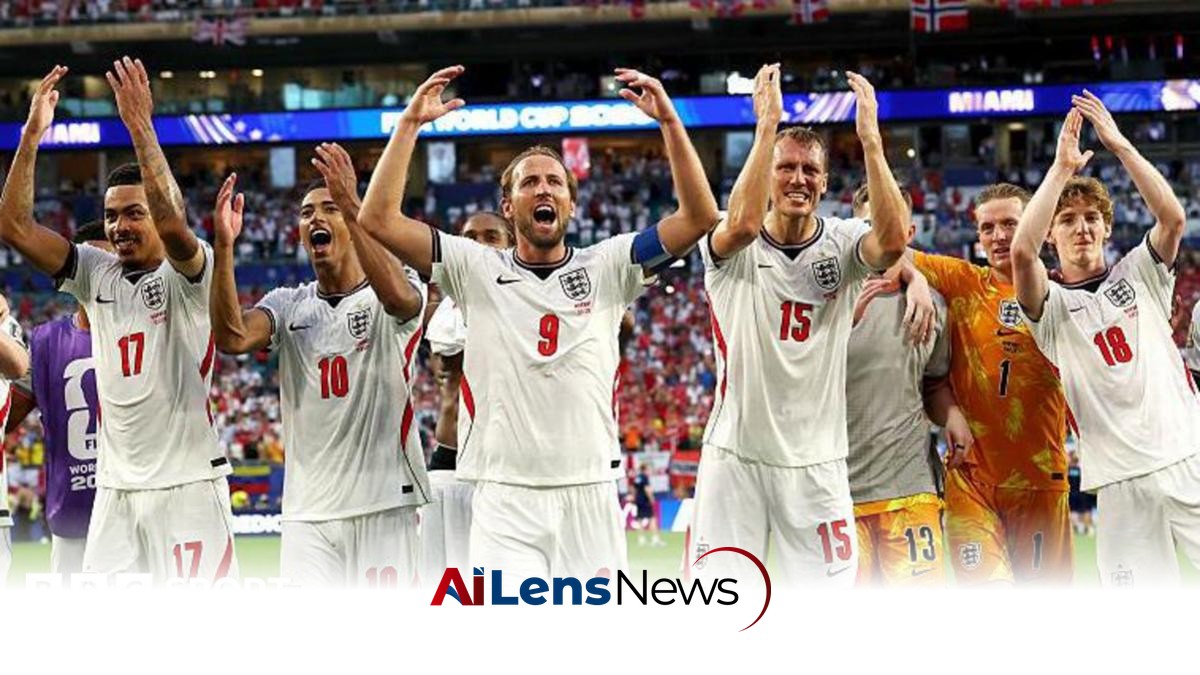


As England faces Argentina in the World Cup semi-finals, the match is poised to be the most significant for the Three Lions since 1966, reigniting a historic rivalry.
New Delhi, India Jul 15, 2026 ALN: England have the chance to take a giant stride towards immortality when they face Argentina in the World Cup semi-final in their biggest match since winning the 1966 final at Wembley.
The Three Lions have reached two World Cup semi-finals in the six decades since then - at Italia '90 and then in Russia eight years ago - but this latest edition reignites an old rivalry, adding layers with history and controversial sub-plots. The anticipation surrounding this match is palpable, not only for the players and coaching staff but also for millions of fans across the globe who are eager to witness this historic encounter.
England have lost the past two European Championship finals but, under the roof of the futuristic Atlanta Stadium, head coach Thomas Tuchel and his players have the chance to write themselves into legend by reaching the country's first men's World Cup final in 60 years. The significance of this match extends beyond mere statistics; it represents an opportunity for redemption, a chance to put the disappointments of the past behind them and step into the annals of history.
The fact it was standing room only at Tuchel's pre-match media briefing, even though it was moved to a bigger venue, illustrates the scale of global interest in this chapter. The media frenzy surrounding the match is a testament to the historical rivalry between England and Argentina, which has been marked by memorable moments, fierce competition, and emotional narratives. As the teams prepare to take the pitch, the weight of history looms large, and the stakes could not be higher.
Wednesday's match (20:00 BST) is England's latest chance to finally reach another global showpiece - a barrier that has proved insurmountable since Sir Alf Ramsey's side lifted the Jules Rimet trophy in 1966. The journey since that glorious day has been filled with highs and lows, with England often finding themselves on the brink of success but falling short when it mattered most. For a nation that prides itself on its ing heritage, the absence of a World Cup victory for six decades has been a source of frustration and longing.
England's recent record in major tournaments is good - but not good enough. Nearly but not quite. The only currency that counts at elite level is trophies, and so far winning one has proved agonisingly beyond this England side. The pressure mounts as the team approaches the semi-final, with fans hoping that this time will be different.
The journey to the 2018 World Cup semi-finals was widely regarded as a pleasant surprise, but ended badly as Sir Gareth Southgate and his side appeared frozen into conservatism after Kieran Trippier gave them the lead after five minutes against Croatia in Moscow, and they lost 2-1 after extra time. The disappointment of that defeat lingered in the hearts of fans and players alike, serving as a reminder of the fragility of success at the highest level of .
Fast forward to the delayed Euro 2020 final, held at Wembley in July 2021 having been postponed because of the Covid-19 pandemic. England squandered another opportunity in similar circumstances to the 2018 World Cup - the Three Lions were once again gripped by inertia after Luke Shaw scored in the second minute and they lost on penalties to Italy. This match not only highlighted England's inability to convert early advantages into victories but also raised questions about their mental fortitude in high-pressure situations.
This is the same Italy side who have not even qualified for the past three World Cups. It was an opportunity missed, especially at England's Wembley home. The World Cup quarter-final loss to France in Qatar four years ago was simply a case of a good side being beaten by a better one, although the agony was compounded by a rare Harry Kane penalty miss late on. Each of these near misses has added to the narrative of England as 'the nearly men' of international .
The subsequent run to the Euro 2024 final was stodgy with the occasional highlight, but culminated in a disappointing performance in the Berlin showpiece as Spain beat Southgate's side 2-1. The cycle of hope and disappointment has led to a growing impatience among fans, who yearn for a team that can not only compete but also win on the grandest stage.
Tuchel said: "We now want to squeeze the last bit out. We want to take the next step. I really like the energy in our camp. The players are very excited, very ambitious. That's exactly what we need for this game." His words reflect the determination within the squad to break free from the shackles of the past and seize the moment. The players are aware of the expectations resting on their shoulders, and the desire to deliver for their country is palpable.
What makes a World Cup semi-final with Argentina different from the meetings with West Germany in 1990 and Croatia in 2018 is the history of antipathy and controversy between the two teams stretching back to 1966. The rivalry is not merely based on ing prowess; it is steeped in political and cultural tensions that have shaped the relationship between the two nations.
Their quarter-final at Wembley on a sun-kissed Saturday afternoon 60 years ago is best remembered for the sending off of Argentina's brilliant but temperamental captain Antonio Rattin, which threatened to spark a walk-off by his team-mates. Rattin, who died on 11 July aged 89, was eventually persuaded to leave but the rancour lasted long after Geoff Hurst's late winner, with England boss Ramsey famously refusing to allow his players to swap shirts with Argentina, later describing them as "animals." This incident set the tone for future encounters, with both teams often embroiled in controversy.
England and Argentina met in another quarter-final in Mexico City's Azteca Stadium at the 1986 World Cup, with the Falklands War four years earlier providing the backdrop. It was the day of Diego Maradona's infamous "Hand Of God" - as well as his brilliant second goal - as Argentina won 2-1, and then went on to lift the World Cup. This match further entrenched the rivalry, with Maradona's actions becoming a defining moment in history and a source of enduring debate among fans and analysts alike.
France '98 delivered a classic last-16 game best remembered for a wound-up David Beckham being sent off for kicking out at Diego Simeone, and the solo goal that brought an 18-year-old Michael Owen to global superstar status. Argentina prevailed on penalties to provide yet more World Cup heartache for the Three Lions. The emotional rollercoaster of these matches has only intensified the rivalry, making each encounter more significant than the last.
There was still lingering ill-feeling between the two teams when they met again four years later in a World Cup group game under Sapporo's dome in Japan. This time it was redemption for Beckham, who scored the winner with a first-half penalty, but Argentina complained long and loud - insisting Owen had dived amid a challenge from future Tottenham Hotspur manager Mauricio Pochettino. The intensity of these matches has created a narrative that transcends , reflecting the broader cultural and historical tensions between the two nations.
Tuchel said: "It is a very big rivalry between two big nations. I could say the history is irrelevant but I'm not sure. The players are aware of it. When a fixture provides so many iconic moments, you can't say it is just another match." His recognition of the significance of this rivalry underscores the emotional stakes involved for both teams as they prepare to face off once again.
Argentina boss Lionel Scaloni - who represented his nation at the 2006 World Cup - added: "We all have stories from that past time and history and it all makes it very emotional." The acknowledgment of the emotional weight of this match reflects the passion that both nations have for and the pride they take in representing their countries on the world stage.
It is this backdrop, this history of acrimony, that elevates this encounter above those other semi-finals. England have had many memorable games in the past six decades - but winning this match would outstrip them all and offer the chance for a historic triumph in Sunday's World Cup final against Spain. The implications of this match extend beyond mere victory; it could redefine the legacy of a generation of players and coaches.
Could this World Cup be the last dance for Argentina's genius Lionel Messi? He finally managed to fulfil his dream of winning the trophy at Qatar 2022, helping make up for past pain including the 2014 final. Messi's presence on the pitch adds an extra layer of intrigue to the match, as he is widely regarded as one of the greatest ers of all time. His ability to change the course of a game with a moment of brilliance makes him a focal point for both teams.
As the match approaches, the world watches with bated breath. The stage is set for a clash that promises to be more than just a match; it is a battle of wills, a contest of national pride, and a chance for redemption for both teams. The echoes of history will reverberate through the Atlanta Stadium as England and Argentina prepare to write the next chapter in their storied rivalry.
To learn more about the latest developments in Football (Soccer), stay updated with our exclusive reports and analyses on AiLensNews.

