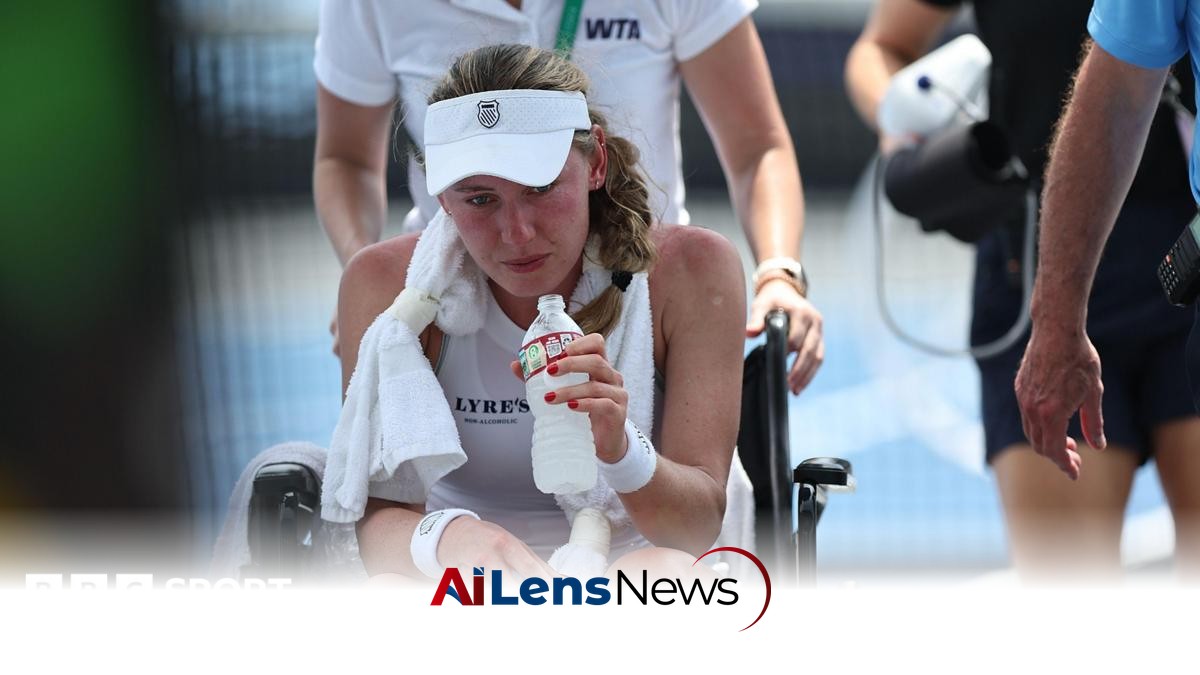


World number 19 Ekaterina Alexandrova collapses on court due to extreme heat, retiring from her first-round match against Kristina Liutova.
New Delhi, India Jul 29, 2026 ALN: World number 19 Ekaterina Alexandrova collapsed on court and had to retire from her first-round match at the Memphis Classic due to high temperatures.
Russian Alexandrova, who was the number one seed, was trailing 7-6 (7-2) 4-6 5-4 against 16-year-old compatriot Kristina Liutova in a match where temperatures reached 34C. This incident has raised concerns about the physical demands placed on professional athletes, particularly in extreme weather conditions.
The Memphis Classic, part of the WTA tour, has a reputation for being a competitive event, attracting both seasoned professionals and rising stars. However, the tournament is also notorious for its sweltering summer temperatures, particularly in August when the event typically takes place. As global temperatures continue to rise due to climate change, the implications for outdoor s, especially those like that require prolonged physical exertion, have become increasingly significant. Athletes are often required to perform at their best in conditions that can be detrimental to their health.
As the match progressed, the high temperatures posed significant challenges for both players. Alexandrova, known for her powerful baseline game and competitive spirit, struggled to maintain her composure and energy levels as the match wore on. Competing in extreme heat can lead to dehydration, heat exhaustion, and even heatstroke, conditions that can severely impact an athlete's performance and well-being. This match was not only a test of skill but also a battle against the elements, highlighting the physical toll that such conditions can impose.
The match was initially paused as Alexandrova tried to continue, before she received a time violation as she took too long to serve amid her struggles. This situation highlights the strict regulations that govern time management during matches, which can sometimes conflict with the health and safety of the players. The WTA has established rules to ensure that matches progress in a timely manner, but these regulations can add pressure to players who may already be struggling with physical challenges. The need for balance between maintaining the flow of the match and ensuring player safety is an ongoing discussion within the s community.
However, in the middle of the next point, Alexandrova fell to the ground and needed immediate medical attention. The sight of an athlete collapsing on court is alarming and serves as a stark reminder of the physical limits that competitors face. Medical personnel quickly rushed to her side to assess her condition, and the situation drew attention from spectators and officials alike, emphasizing the importance of player safety in professional s. The quick response of medical staff is crucial in such scenarios, and their ability to provide immediate care can often make a significant difference in the outcome.
The 31-year-old was well enough to stand but had to forfeit the match, which had lasted more than three hours. This lengthy duration, combined with the oppressive heat, likely contributed to her decision to retire. The match had already been a grueling battle, showcasing the tenacity of both players. Alexandrova's decision to withdraw not only reflects her physical state but also raises questions about the adequacy of measures in place to protect players from heat-related illnesses during tournaments. The WTA has implemented heat stress guidelines, but the effectiveness of these measures is continually scrutinized, especially in light of incidents like this one.
Liutova's victory marked a significant milestone as it was her debut match on the WTA tour. However, the circumstances surrounding the win were overshadowed by the chaotic situation on court. The young player, who had been competing fiercely against a seasoned opponent, was left in tears amid the incident. This emotional response underscores the complex nature of s, where victory can be bittersweet, especially when it comes at the cost of another player's health. For Liutova, the win was a moment of achievement, yet the distress of witnessing a fellow athlete collapse likely left a lasting impact on her as she navigates her early career.
Elsewhere in women's , Venus Williams lost in the first round of the Mubadala DC Open in Washington DC on Tuesday. The 46-year-old, whose last singles win came at this event last year, was beaten 6-3 6-3 by Austria's Anastasia Potapova. Williams, a legendary figure in women's , has faced her own challenges as she continues to compete at a high level later in her career. Her experience and resilience have inspired many, but the physical demands of the remain significant, especially as athletes age and the competition intensifies.
Williams won 78.4% of her first serve points but struggled with her second serve, winning only 24.1%, and managed just 20% of her returns. These statistics reflect the challenges she faced during the match, illustrating the competitive nature of the WTA tour and the high level of skill required to succeed. As both Alexandrova and Williams faced difficulties in their respective matches, they exemplify the challenges that professional athletes encounter, particularly as they navigate the pressures of competition and the physical toll it can take. The juxtaposition of Alexandrova's collapse and Williams' loss serves to highlight the unpredictable nature of s and the myriad factors that can influence an athlete's performance on any given day.
The Memphis Classic and the Mubadala DC Open are part of a broader context in women's , where players are increasingly vocal about the need for better conditions, including considerations for player safety in extreme weather. The Women’s Association (WTA) has made strides in addressing these issues, but incidents like Alexandrova's collapse highlight the ongoing need for vigilance and improvement. Discussions around player welfare are gaining momentum, with many advocating for more comprehensive policies that prioritize health, particularly in light of changing climate conditions.
As the season continues, the implications of these incidents extend beyond just individual matches. They can lead to discussions about tournament scheduling, player welfare policies, and the need for adequate provisions to protect athletes from the risks associated with extreme temperatures. The community, including players, coaches, and officials, must work collaboratively to ensure that the remains safe and accessible for all participants. The potential for policy changes or new guidelines could arise from this incident, as the WTA and tournament organizers reflect on how to better safeguard athletes in the future.
In conclusion, the collapse of Ekaterina Alexandrova during the Memphis Classic serves as a critical reminder of the physical demands placed on athletes in professional s. It highlights the need for ongoing discussions about player safety, especially in extreme weather conditions. As the world reflects on these events, it is essential to prioritize the health and well-being of athletes while continuing to celebrate their remarkable achievements on the court. The community must take these incidents seriously and work towards creating an environment that protects the athletes who dedicate their lives to the .
To learn more about the latest developments in Tennis, stay updated with our exclusive reports and analyses on AiLensNews.

