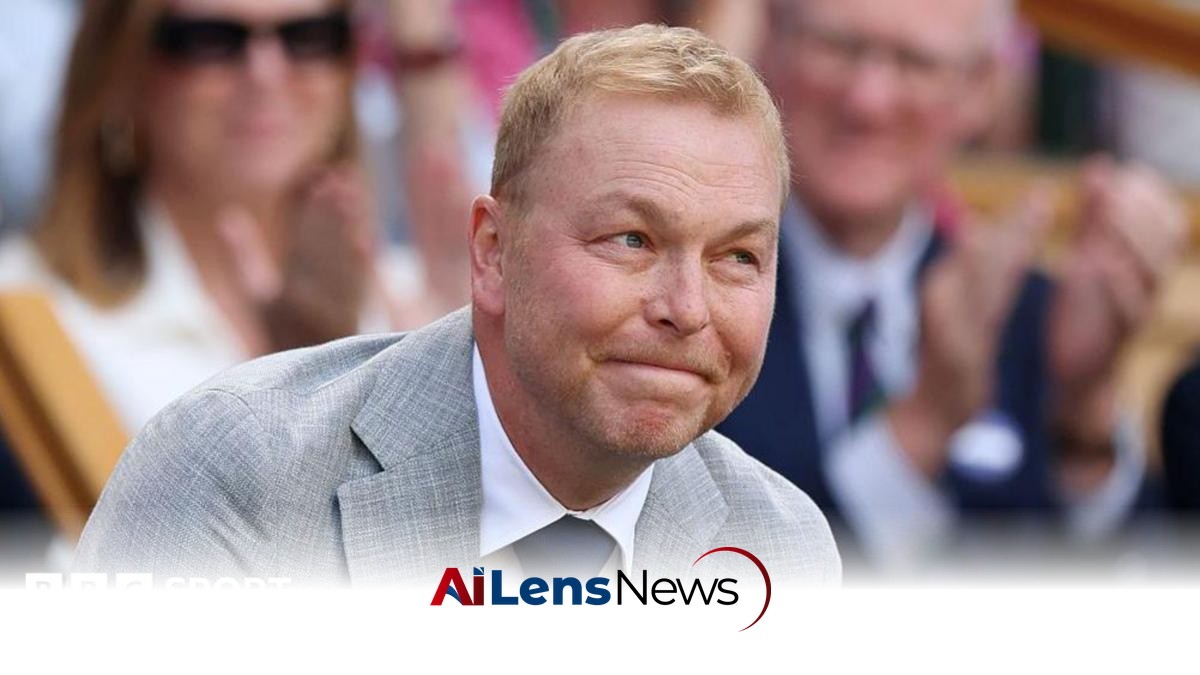


Sir Chris Hoy expresses confidence in the Glasgow 2026 Commonwealth Games, highlighting its potential for success despite a reduced format and budget.
New Delhi, India Jul 17, 2026 ALN: Sir Chris Hoy has fond memories of the Commonwealth Games and is convinced the Glasgow event, which starts next week, will be a "massive success" despite a scaled-down format.
The Commonwealth Games, often referred to as the "Friendly Games," is a multi- event held every four years, featuring athletes from the Commonwealth of Nations. The upcoming Glasgow 2026 Games are particularly notable due to the significant changes in their structure compared to previous iterations. The stripped-back configuration features 10 s, utilizing just four venues in the city, with a budget of around £150 million. This is a stark contrast to the 2014 Games in Glasgow, which included 18 different s and cost more than £550 million to stage.
Sir Chris Hoy, a celebrated figure in British , has been an ardent supporter of the Commonwealth Games since his own participation. He won two gold medals during his career — in the 1km time trial in 2002 and the team sprint in 2006, alongside teammates Craig MacLean and Ross Edgar. Hoy's experiences have shaped his outlook on the significance of the Games, both for athletes and for the host city. "Twelve years ago, it was an incredible event and I'm sure Glasgow is going to put on a fantastic show," Hoy remarked during an interview. His optimism reflects a broader sentiment within the ing community regarding the potential for Glasgow to deliver a memorable event, despite the challenges posed by a reduced format.
The Glasgow 2026 Commonwealth Games will run from 23 July to 2 August, stepping in as hosts after the Australian state of Victoria withdrew due to rising costs associated with hosting the event. This change in venue has sparked conversations about the sustainability and financial viability of hosting large-scale international ing events, especially in the wake of economic pressures exacerbated by the global pandemic and rising inflation rates. The decision to host the Games in Glasgow is seen as a crucial opportunity for the city to showcase its ability to host significant international events while navigating the complexities of modern-day financial constraints.
The new model for the Games does not involve direct public funding, which has been a contentious issue in previous years. The financial implications of hosting such events have often led to debates about the allocation of public resources, particularly in times of economic uncertainty. By adopting a more streamlined approach, Glasgow aims to mitigate the financial risks associated with hosting the Games, while still providing a platform for athletic excellence and community engagement. This shift may serve as a template for future ing events, demonstrating that it is possible to host a successful Games while minimizing the burden on taxpayers.
The change in scale is particularly evident in the athletics events. A temporarily expanded Scotstoun Stadium will accommodate 11,000 spectators, a notable reduction from the 44,000 capacity of Hampden Park during the 2014 Games. This shift reflects a broader trend in s management, where organizers are increasingly considering the balance between venue size, audience engagement, and financial sustainability. The decision to limit the size of venues may also foster a more intimate atmosphere, allowing for closer interactions between athletes and fans, which could enhance the overall experience for both parties.
This time around, there are no events scheduled on the streets of the city, such as the marathon and road races, which were popular features of past Games. The absence of these events may alter the dynamic of community involvement and spectator engagement, which are crucial elements of the Commonwealth Games experience. Hoy himself has expressed the unique joy of competing for Scotland, highlighting the camaraderie and spirit that the Games foster among athletes and nations. The lack of street events may necessitate a reevaluation of how community spirit is cultivated during the Games, potentially leading to new forms of engagement that align with the revised format.
Hoy's connection to the Commonwealth Games is deeply personal. He recalls watching the 1986 Games in his home city of Edinburgh, an experience that served as the "catalyst" for his illustrious career in . The Games not only provided a platform for athletic competition but also fostered a sense of national pride and unity among participants and spectators alike. Hoy’s reflections underscore the importance of the Commonwealth Games as a cultural event that transcends mere competition, serving as a celebration of shared values and aspirations among the diverse nations of the Commonwealth.
Since retiring, Hoy has remained a prominent figure in the s community, serving as a regular pundit for the BBC. His insights, drawn from years of experience at the highest levels of competition, lend credibility to his predictions about the success of the upcoming Games. "2014 was my first Games on the other side of the fence, to be able to see other s and to really take in the atmosphere," he noted, reminiscing about the vibrant atmosphere that enveloped Glasgow during the previous Games. "There was a great atmosphere across the city, not just at the ing venues." This sentiment highlights the broader impact of the Games on the host city, as it becomes a focal point for celebration and community spirit, bringing together locals and visitors in a shared experience of and culture.
Hoy's personal journey has also been marked by significant challenges. He has been living with stage four prostate cancer since 2023, revealing a terminal diagnosis in October 2024. Despite these challenges, Hoy has maintained a positive outlook, stating, "I'm doing really well," and recently completing a charity ride across Spain. His resilience serves as an inspiration to many, illustrating the power of and community support in overcoming personal adversity. Hoy's determination to remain active and engaged with the ing community serves as a testament to the strength of the human spirit in the face of life-altering challenges.
"When you're in the situation I'm in, you don't look too far ahead. You don't plan for the future, but you make the most of today," he said, reflecting on his current state of health and his anticipation for the Games. Hoy's perspective resonates with many athletes who face their own challenges, reinforcing the idea that the Commonwealth Games are not only a celebration of athletic achievement but also a testament to the human spirit's capacity to endure and thrive in the face of adversity. His story adds a layer of depth to the narrative of the Games, reminding us that behind the medals and records lie personal journeys of perseverance and hope.
As Glasgow prepares to welcome athletes and spectators from around the Commonwealth, the city stands at a crossroads. The success of the 2026 Games may set a precedent for future events, demonstrating that a scaled-down approach can still yield a rich and engaging experience for all involved. Hoy's unwavering belief in the potential for the Games to be a "massive success" encapsulates the hopes of many who are eager to see Glasgow shine on the international stage once again. The forthcoming Games may not only serve as a showcase for athletic talent but also as an opportunity for Glasgow to reaffirm its status as a vibrant and welcoming host city, capable of uniting diverse cultures through the shared love of .
To learn more about the latest developments in Global Tournaments & Olympics, stay updated with our exclusive reports and analyses on AiLensNews.

