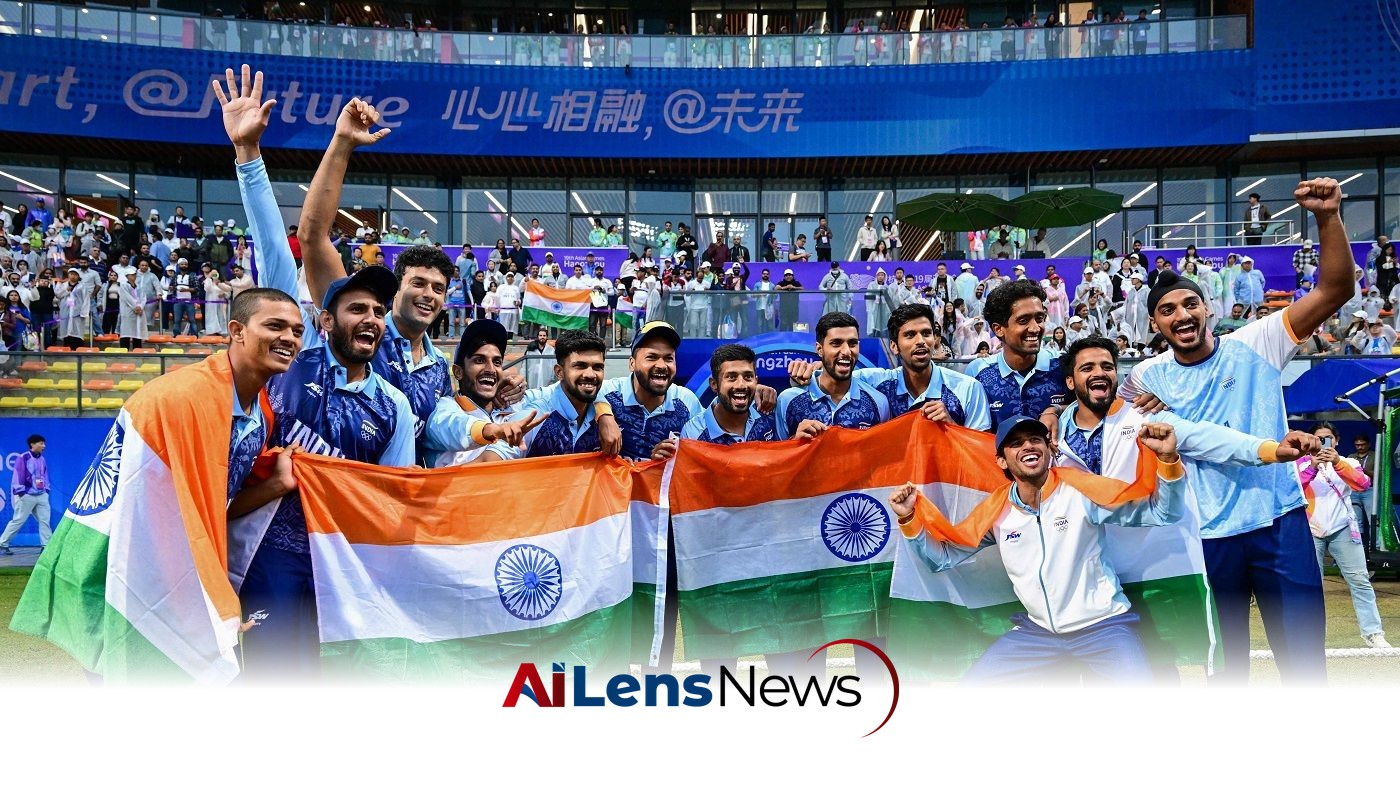


The men's and women's competitions at the Asian Games will feature direct entries into the quarter-finals for four major teams.
New Delhi, India Jul 24, 2026 ALN: The Asian Games, a multi-sport event held every four years, is one of the largest sporting events in the world, bringing together athletes from across Asia to compete in a variety of disciplines. The upcoming edition of the Asian Games is set to be particularly exciting, as India, Pakistan, Bangladesh, and Sri Lanka have secured direct entries into the knockout stages of both the men's and women's competitions. This development underscores the prominence of these nations in the sport and sets the stage for intense competition among some of the best teams in the region.
The men's competition at the Asian Games will consist of ten teams, each vying for glory and the coveted gold medal. The format of the tournament is designed to heighten the excitement, with only the top contenders advancing directly to the quarter-finals. This structure not only emphasizes the importance of each match but also ensures that teams must perform at their peak right from the start. The knockout stage is known for its high stakes, where a single loss can lead to elimination, making every game critical for the participating teams.
Historically, teams like India and Pakistan have been powerhouses in men's sports, particularly in and field hockey, which are among the most popular sports in the region. Their long-standing rivalries and competitive spirit often draw large crowds and significant media attention. The rivalry, in particular, is one of the most watched sporting events in the world, with matches between these two nations generating immense interest and viewership. Bangladesh and Sri Lanka, while perhaps not as dominant in every sport, have shown tremendous growth and competitiveness, particularly in , where they have made significant strides on the international stage. Both nations have produced world-class players who have excelled in various formats of the game, contributing to the overall development of sports in their countries.
In parallel with the men's competition, the women's tournament will feature eight teams, also beginning with the quarter-finals. This format is designed to create an intensely competitive atmosphere, as teams must be at their best from the outset to advance. The inclusion of women's competitions in the Asian Games has been a significant development over the years, reflecting a growing recognition of women's sports and the need for equality in athletic opportunities. The Asian Games have become a platform for female athletes to showcase their talents, and the increasing visibility of women's sports has encouraged more young girls to pursue athletics.
Countries like India and Sri Lanka have made notable advancements in women's sports, particularly in and athletics. The rise of women's in these nations has been particularly remarkable, with increased investment in training and development leading to improved performances on the international stage. The Indian women's team has gained significant recognition in recent years, reaching the finals of major tournaments and earning respect for their competitive spirit. The Asian Games provide a platform for these athletes to showcase their talents and compete against some of the best in Asia, and their performances can inspire a new generation of female athletes.
The decision to grant direct entries into the knockout stages for India, Pakistan, Bangladesh, and Sri Lanka is significant for several reasons. First and foremost, it acknowledges the historical dominance of these teams in their respective sports. Their consistent performance in regional and international competitions has established them as formidable opponents. This recognition is not just a reflection of past achievements but also an acknowledgment of the potential these teams possess to perform at high levels.
This move also serves to enhance the anticipation among fans and stakeholders alike. Sports enthusiasts are eager to see how these traditional powerhouses will measure up against emerging teams. The direct entry into the knockout rounds allows these teams to focus on refining their strategies and preparing for the high-pressure environment of elimination matches, rather than having to navigate through preliminary rounds. This strategic advantage can be crucial in a tournament where the stakes are high and every match can have significant implications for a team's future.
As the Asian Games draw nearer, the excitement surrounding the event continues to build. Fans, athletes, and coaches are all preparing for what promises to be a thrilling showcase of talent and determination. The knockout format ensures that every match will be pivotal, with teams needing to bring their best performances to secure a place in the semi-finals and ultimately compete for the gold medal. The intense competition will not only be a test of skill but also of mental fortitude, as teams face the pressure of elimination.
The implications of this tournament extend beyond just the medals. For many athletes, the Asian Games represent a chance to gain international exposure, improve their skills, and build their reputations on a larger stage. The performances in this tournament can also influence future selections for national teams and participation in other international competitions. Success at the Asian Games can lead to increased sponsorship opportunities and support from national federations, which can have a lasting impact on an athlete's career.
In conclusion, the Asian Games tournament is shaping up to be a spectacular event, highlighting some of the finest talents in the sport. With the knockout stages featuring intense competition and high stakes, fans are sure to witness unforgettable moments and thrilling matches. As teams finalize their preparations, the anticipation grows for what is expected to be a remarkable series of games that will leave a lasting impact on the athletes and their nations. The event not only serves as a celebration of athletic prowess but also as a reminder of the unifying power of sports in bringing together diverse cultures and nations across Asia.
To learn more about the latest developments in Global Tournaments & Olympics, stay updated with our exclusive reports and analyses on AiLensNews.

