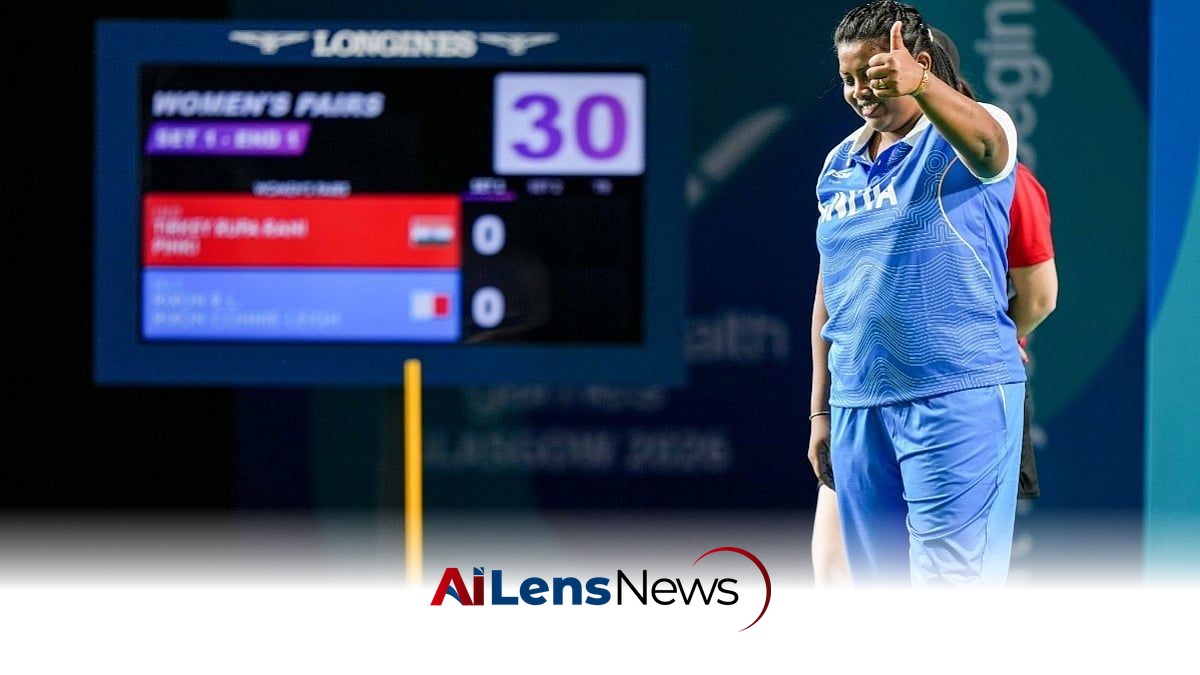


India secured a thrilling victory against Malta in the women's pairs sectional play at the Commonwealth Games 2026, showcasing resilience and skill.
Itanagar, India Jul 24, 2026 ALN: Glasgow: India beat Malta in a tiebreaker in its opening Group B match of the women’s pairs sectional play category in Bowls at the Commonwealth Games 2026 in Glasgow on Thursday. This victory marks a significant start for the Indian team, which has established itself as a formidable competitor in the sport, particularly following its success in the previous Commonwealth Games.
Bowls, a sport that has its roots in ancient times, has gained traction in various countries, including India, where it has seen a surge in popularity over the last decade. The sport is played on a flat surface with players aiming to roll biased balls so that they stop as close as possible to a smaller ball known as the "jack." The strategic nature of the game, combined with the precision required, makes it an exciting sport to watch and participate in. The Commonwealth Games, known for showcasing talent from various nations, provides an excellent platform for athletes to demonstrate their skills and gain international experience.
Rupa Rani Tirkey and Pinki, members of the Indian team which created history in the previous edition by winning the gold in the women’s fours category, began their campaign with high expectations. Their past performance not only set a benchmark for themselves but also raised the hopes of a nation that has increasingly invested in the sport of bowls. The Indian government, alongside various sports organizations, has been focusing on developing infrastructure and training programs to nurture talent in this sport, which has historically been less prominent compared to cricket or field hockey.
In their match against the Rixon sisters from Malta – Rebecca Louise and Connie-Leigh – the Indian duo displayed their prowess right from the beginning. They decimated their opponents in the first set, clinching it with an impressive 7-1 scoreline. Such a dominant performance in the opening set is often crucial in setting the tone for the match, instilling confidence in the players and putting pressure on the opposition. This initial success not only boosts the players' morale but also sends a message to their competitors about their intent and capability.
However, the Rixon sisters showed resilience and determination by bouncing back in the second set. They managed to secure a tight victory with a score of 4-3, demonstrating that the match was far from over. This comeback highlights the unpredictable nature of the sport, where momentum can shift rapidly, and every bowl counts. The ability of teams to remain focused and adapt their strategies in response to their opponents is a testament to their skill and mental fortitude. The Rixon sisters' performance in the second set served as a reminder that in competitive sports, no lead is ever truly safe until the final whistle.
The match ultimately came down to a tiebreaker, a format that adds an extra layer of excitement and tension to the competition. In high-stakes situations like this, the pressure can be overwhelming, and it is often the player with the strongest nerves who prevails. Malta had a solid opening in the tiebreaker, which initially put India on the back foot. However, Pinki's decisive delivery turned the tide in favor of India, clinching the match and showcasing her ability to perform under pressure. Her performance in critical moments not only secured the win but also reinforced her reputation as a key player in the Indian lineup. The psychological aspect of the game is crucial, and players like Pinki who can maintain composure in tense situations often become the backbone of their teams.
In the standings following this match, England leads the group, with India in second place. This positioning is crucial as teams aim to secure their spots for the knockout rounds. The competition format in bowls typically involves a series of matches within groups, with the top teams advancing based on their performance. As such, every match is vital, and a strong start can have significant implications for a team's trajectory in the tournament. The pressure to perform well in each match can affect players differently, and the ability to cope with such pressure is often a defining factor in their success.
The result gives India a winning start in the women’s pairs competition and highlights the resilience of the Pinki-Rupa combination. Their partnership has been instrumental in India's success in recent years, and their ability to work together effectively under pressure is a key factor in their performance. The synergy between teammates can often be the difference in close matches, as communication and understanding of each other's playing styles become paramount. In bowls, where strategy and execution are critical, the chemistry between players can enhance their overall performance, allowing them to anticipate each other's moves and adjust their tactics accordingly.
As the tournament progresses, the Indian women’s bowls team will be looking to build on this momentum. Their next matches will be crucial in determining their path forward in the competition. The experience gained from this opening match, particularly in handling pressure situations, will be invaluable as they face tougher opponents in the coming days. The Commonwealth Games, held every four years, serves as a significant event for athletes from Commonwealth nations. It not only provides a platform for competition but also fosters camaraderie and sportsmanship among countries. The presence of various sports, including bowls, allows for a rich diversity of competition and showcases the talents of athletes from different backgrounds.
Moreover, the success of the Indian bowls team at the Commonwealth Games could have broader implications for the sport's development in the country. Increased visibility and success on an international stage can attract more young athletes to the sport, encouraging participation at grassroots levels. Schools and local clubs may see a rise in interest, leading to a more robust pipeline of talent for the future. As the sport continues to grow, it may also lead to increased investment in facilities and coaching, further enhancing the quality of players emerging from India.
In conclusion, India's victory over Malta in the opening match of the Commonwealth Games 2026 serves as a promising start for the women’s pairs team. The combination of Rupa Rani Tirkey and Pinki has proven to be effective and resilient, qualities that will be essential as they continue their campaign. With the support of their coaches, the Indian team aims to not only advance in the tournament but also inspire future generations of bowlers in India, contributing to the sport's growth and popularity in the country. The journey ahead will be challenging, but with their current form and determination, the Indian team is poised to make a significant impact in the ongoing Commonwealth Games.
To learn more about the latest developments in Cricket, stay updated with our exclusive reports and analyses on AiLensNews.

