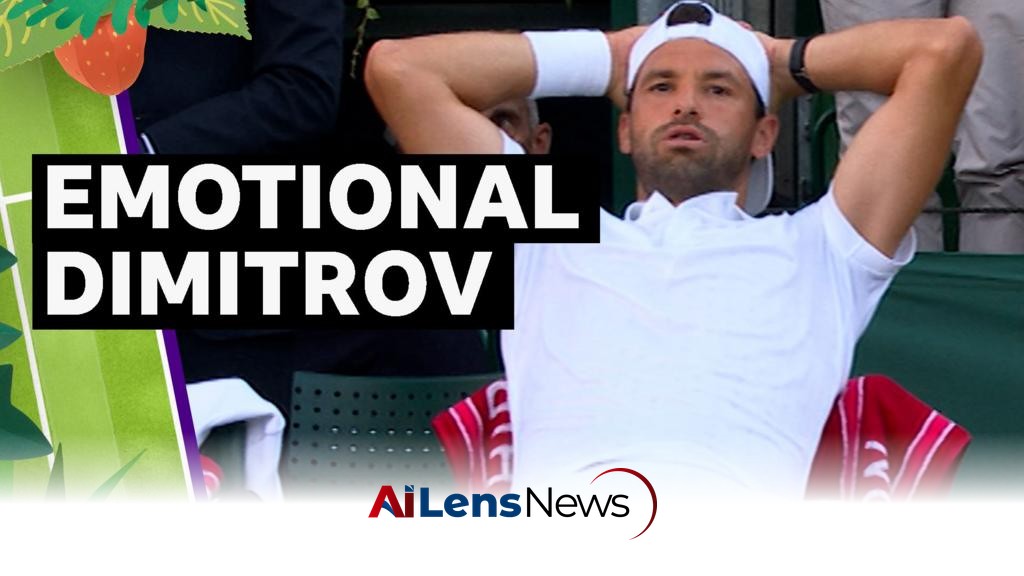


Grigor Dimitrov shares his heartfelt experience of returning to Wimbledon after a year, reflecting on the emotional atmosphere and his determination to succeed.
New Delhi, India Jul 2, 2026 ALN: Grigor Dimitrov has expressed his deep emotions following his return to Wimbledon, describing the experience as filled with "pure emotion" and a "special energy" that the crowd brings. This marks a significant moment for the Bulgarian player, who made his comeback to the prestigious tournament exactly one year after he was forced to retire in the round of 16 due to injury. The Wimbledon Championships, held annually in London, is one of the four Grand Slam tournaments and is renowned for its rich history, traditions, and the unique challenge posed by its grass courts.
During a recent interview, Dimitrov conveyed the overwhelming feelings he experienced while stepping onto the iconic grass courts of SW19. He emphasized how the atmosphere at Wimbledon is unique, stating that the crowd's energy is unlike any other. "I just don't want to let people down," he remarked, highlighting the pressure and expectations that come with competing at such a high level. This pressure is something that many athletes face, especially in a tournament that carries so much prestige and history. The expectations from fans, sponsors, and personal aspirations can weigh heavily on an athlete's mind.
Last year, Dimitrov's journey at Wimbledon ended prematurely when he had to withdraw from his match due to an injury. This injury not only halted his progress in the tournament but also raised concerns about his overall fitness and future in the . Injuries are a common hurdle in professional , where the physical demands of the game can lead to various ailments. For Dimitrov, the road to recovery was not just a physical battle but also a mental one, as he had to overcome the fear of re-injury and the pressure to perform at a high level again.
This year, however, he returned with renewed determination and a desire to prove himself. The emotional weight of his previous experience added to the significance of his comeback. Athletes often speak about the mental aspect of s, and for Dimitrov, returning to Wimbledon after a year marked by injury was not just about physical readiness; it was also about mental resilience. The psychological impact of competing at such a high level, especially after a setback, can be profound. It requires not only skill but also a strong mental fortitude to push through doubts and fears.
As he prepared for his matches, Dimitrov reflected on the challenges he faced over the past year, including his recovery process and the mental hurdles he had to overcome. He acknowledged the support he received from fans, friends, and family, which played a crucial role in his return to form. The role of a support system is vital for athletes, providing encouragement and motivation during tough times. For Dimitrov, the backing from his supporters likely served as a reminder of his capabilities and the passion that has driven his career.
With the tournament underway, Dimitrov is focused on making the most of his opportunity. He aims to channel the energy from the crowd into his performance, hoping to advance further than he did last year. The excitement surrounding his return has not only rekindled his passion for the but has also reignited the hopes of his fans. The connection between an athlete and their supporters can be a powerful motivator, and for Dimitrov, the crowd's enthusiasm may serve as a source of strength as he competes.
In conclusion, Grigor Dimitrov's emotional return to Wimbledon serves as a testament to his resilience and dedication to the . As he competes on the grand stage once again, he carries with him the lessons learned from his past experiences, ready to embrace the challenges ahead. The journey of an athlete is often marked by ups and downs, and Dimitrov's story is no exception. His ability to confront adversity and return to a place where he has experienced both triumph and disappointment speaks volumes about his character and commitment to .
The implications of Dimitrov's return extend beyond his personal journey. It highlights the broader narrative of athletes overcoming injuries and setbacks, a common theme in professional s. Many fans resonate with the struggles of their favorite athletes, and stories of perseverance often inspire others to face their own challenges. In this sense, Dimitrov's experience at Wimbledon can serve as a motivational tale for aspiring athletes and fans alike.
Furthermore, Dimitrov's presence in the tournament adds depth to the competition. As a former ATP Finals champion and a player with a diverse skill set, his participation raises the stakes for other competitors. The dynamics of the tournament can shift with the inclusion of a player who has both the talent and the experience to make a deep run. This not only enhances the excitement for spectators but also contributes to the overall narrative of the tournament.
As the tournament progresses, all eyes will be on Dimitrov, watching to see how he navigates the challenges ahead. Whether he advances to the later rounds or faces tough opponents, his journey will undoubtedly be closely followed by fans and analysts alike. The story of his return is a reminder of the unpredictability of and the emotional rollercoaster that athletes endure as they strive for excellence.
In addition to the emotional aspect of his return, it is also important to consider the physical demands of the . requires a combination of strength, agility, and endurance, particularly on grass courts, which can be slippery and require quick adjustments. Dimitrov's ability to adapt to these challenges after a year of recovery is a testament to his hard work and dedication. The training regimen that athletes undergo post-injury is often rigorous, involving not just physical rehabilitation but also strategic planning to avoid future injuries.
Moreover, the psychological aspect of returning to a high-stakes environment like Wimbledon cannot be overstated. Athletes often experience anxiety and pressure when returning from injury, especially in a tournament where they have previously faced setbacks. Dimitrov's candid acknowledgment of this pressure demonstrates a level of self-awareness that can be beneficial in managing expectations. By openly discussing his feelings, he not only normalizes the experience for other athletes but also creates a narrative that fans can connect with on a personal level.
As the tournament unfolds, the media attention on Dimitrov will likely grow, further amplifying the pressures he faces. The spotlight that comes with being a well-known athlete can be both a blessing and a curse, as it can motivate performance but also heighten anxiety. Navigating this attention while maintaining focus on the game is a skill that many athletes must develop over time. For Dimitrov, the challenge will be to harness this attention positively, using it as fuel to drive his performance rather than allowing it to become a distraction.
In summary, Grigor Dimitrov's return to Wimbledon is a multifaceted story that encompasses not only his personal journey of resilience but also broader themes relevant to athletes everywhere. His experience underscores the importance of mental health, the value of support systems, and the challenges of returning from injury. As fans and analysts watch his progress, they are reminded of the human element of s—the triumphs, the struggles, and the unwavering spirit of those who dare to compete at the highest levels.
To learn more about the latest developments in Tennis, stay updated with our exclusive reports and analyses on AiLensNews.

